
wollongongrestumping@gmail.com


Does Home Insurance Cover Restumping or Foundation Repair
Rao Hasnain • May 7, 2026
The Question That Stops Most Homeowners From Acting
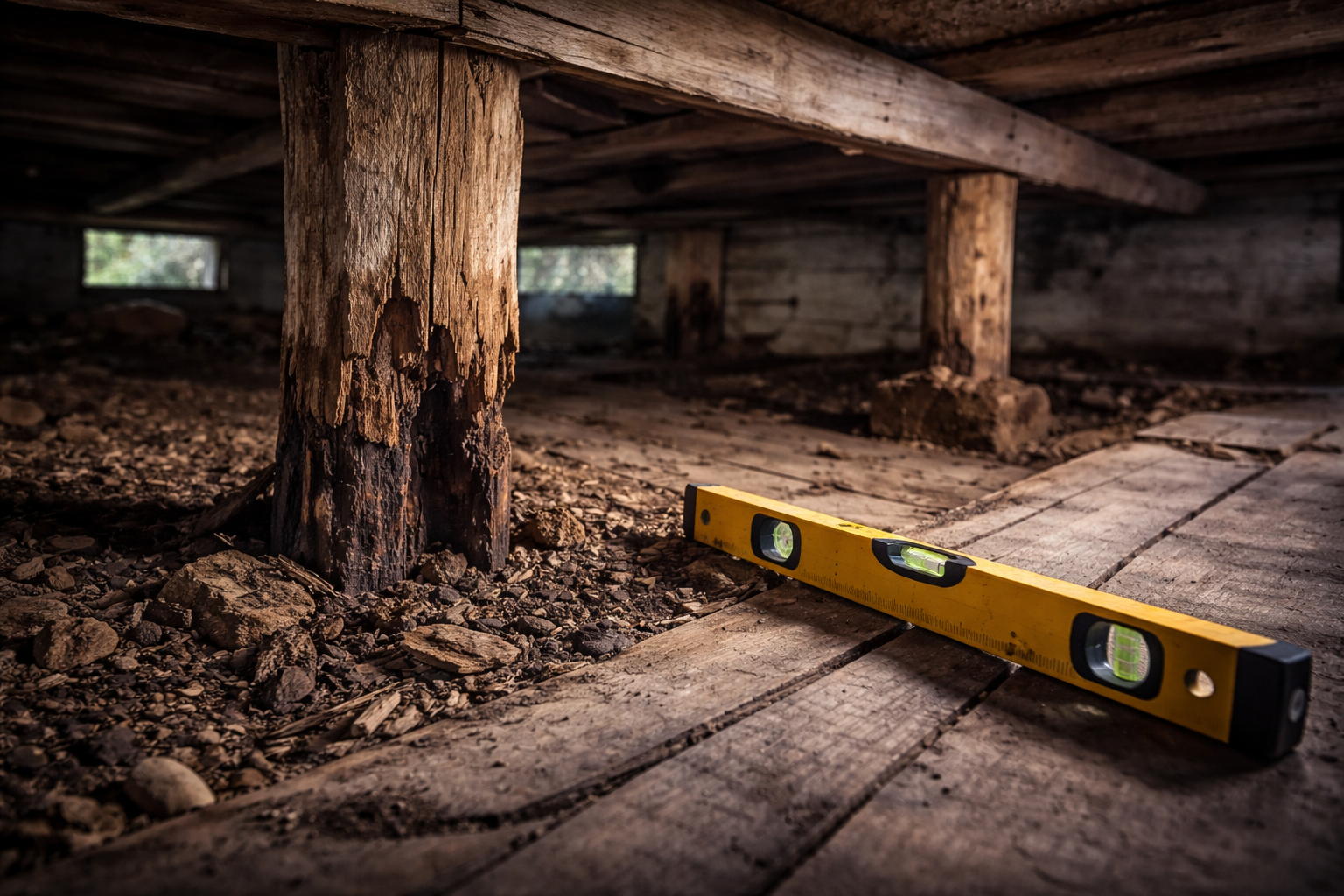
Your floor has been creaking for months. A few cracks have appeared near the door frames. Someone tells you your stumps might be failing. The quote for restumping comes back at several thousand dollars and your immediate thought is: will my home insurance cover this?
It's one of the most searched questions by Australian homeowners facing foundation or structural problems and the honest answer is one that most insurers, and most competitors in the restumping industry, fail to give clearly. So here it is: in the vast majority of cases, standard home insurance in Australia will not cover restumping or foundation repair. But the full picture is more nuanced than a flat no, and understanding exactly where the line sits can make the difference between a claim that succeeds and thousands of dollars spent without knowing all your options.
Why Home Insurance Rarely Covers Foundation Repair
To understand why restumping and underpinning are almost always excluded, you need to understand what home insurance is actually designed to do.
Australian home building insurance is structured to protect against sudden, accidental damage caused by a specific insured event, things like fire, storm, lightning, burst pipes, or vandalism. It is not designed to function as a maintenance policy. It does not cover problems that develop gradually over time, regardless of how serious those problems become.
This is the core reason foundation repairs fall outside most claims. Stump deterioration, soil movement, ground settlement, and reactive clay activity the most common causes of foundation problems in Wollongong and across the Illawarra are all gradual processes. They happen over years, sometimes decades. Under Australian insurance law and standard policy wording, these are treated as maintenance issues or predictable deterioration, not insured events.
Finder.com.au, one of Australia's leading insurance comparison resources, confirms this directly: home insurance typically will not cover structural damage because it is considered a long-term issue rather than an unexpected event, and loss or damage caused over time by shifting soil will not typically be covered.
The Core Exclusions That Apply
Most Australian home building insurance policies explicitly exclude:
- Gradual deterioration: the slow breakdown of timber stumps due to age, moisture, and rot
- Soil movement and subsidence: ground settling, shrinking, or swelling beneath your property
- Poor maintenance: damage that could have been prevented with reasonable upkeep
- Pre-existing conditions: any damage present before the policy was taken out
- Faulty construction: problems originating from defective materials or substandard original installation
- Tree root damage: roots gradually undermining stumps or foundations are almost universally excluded as gradual damage
- Normal settlement: the natural minor movement every house experiences as it ages
For Wollongong homeowners specifically, the soil movement and gradual deterioration exclusions are particularly relevant. The Illawarra's combination of reactive coastal clay, high annual rainfall, and the escarpment's drainage patterns creates ongoing ground movement conditions and this is precisely the category that insurers exclude.
When Home Insurance CAN Cover Foundation Damage
The exception to the standard exclusion rule is when foundation damage is caused directly and suddenly by a recognised insured event. In those cases, a claim may succeed and it is worth understanding these scenarios clearly.
Storm Damage
If a severe storm event directly causes structural damage that reaches your foundation — for example, a tree falling onto the subfloor framing, storm-driven water undermining a stump footing, or wind damage to the underfloor structure — this may be treated as a covered event under your storm damage clause.
The key is establishing a direct causal link between the storm event and the foundation damage, with the damage occurring within the claim window. Wollongong receives above-average annual rainfall and is exposed to East Coast Low events, which occasionally cause genuine sudden structural damage. If storm damage has directly affected your foundation or stumps, document the event timeline and report it to your insurer promptly.
Burst Pipe or Sudden Water Release
If a water supply pipe bursts and the sudden release of water saturates the soil under your stumps, causing rapid movement or stump degradation that follows shortly after, this may qualify as consequential damage from an insured water event.
The critical word is
sudden. A burst pipe that saturates the subfloor overnight and causes measurable foundation movement is a very different insurance scenario from a slow leak that has gradually been softening the soil for months. Insurers will investigate the timeline carefully.
A Falling Tree During a Storm
If a neighbour's tree or your own tree falls during a storm event and the impact directly damages stumps or the subfloor structure, the sudden and accidental nature of the event may make the consequential foundation damage claimable even though gradual tree root damage to the same property would be excluded.
Fire Damage
If a fire damages the structural elements of your home including subfloor framing and stumps, this is clearly covered under fire damage provisions in standard building insurance policies.
The Grey Zone When Insurers Dispute Claims
The most important gap that competitor posts on this topic fail to cover is the significant grey zone between clearly covered and clearly excluded, and how Australian homeowners can navigate it.
Many foundation claims are not clean-cut. A Wollongong home that has been subjected to years of gradual soil movement may also have experienced a specific storm event that accelerated existing damage. Insurers will often deny these claims by categorising the damage as gradual deterioration. But this is not always the final word.
Under Australian financial services law, you have the right to dispute a claim decision through your insurer's internal complaints process and, if unresolved, through the Australian Financial Complaints Authority (AFCA). AFCA decisions are binding on insurers.
A legal aid case in NSW demonstrated exactly how this works: a homeowner's flood claim was initially denied after a hydrologist's report classified the water source as a creek flood (not covered). A dispute through AFCA successfully argued the damage was caused by stormwater runoff (which was covered), and the claim was upheld. The same principle applies to foundation damage cases where the cause is genuinely ambiguous between a covered sudden event and an excluded gradual process.
If your insurer denies a foundation or restumping claim and you believe a covered event contributed to the damage, you have the right to dispute that decision and professional building reports documenting the cause and timeline of the damage can be decisive in those disputes.
Why Claims Are Harder Here
Wollongong homeowners face a particular challenge when it comes to foundation insurance claims. The Illawarra's geology reactive clay soils along the coastal strip between the escarpment and the ocean creates near-constant ground movement conditions that insurers are well aware of. In areas with known high-risk soil conditions, insurers may explicitly limit or exclude subsidence cover, or apply specific excess amounts to earth movement claims.
Additionally, many of Wollongong's older homes in suburbs like Fairy Meadow, Corrimal, Thirroul, Figtree, and Mount Keira were built between the 1940s and 1970s on original timber stumps. These stumps have a natural lifespan of 30–50 years, meaning they have exceeded their design life by a considerable margin. This age and expected deterioration profile make it very difficult to argue to an insurer that any stump failure was sudden or unforeseeable.
The coastal moisture environment also accelerates stump corrosion and timber decay beyond what inland properties experience, a factor that is well understood by experienced foundation specialists working in the Wollongong area, but that insurers tend to treat as a known risk the homeowner accepted when purchasing the property.
What to Do When Insurance Won't Cover It
The honest reality is that for most Wollongong homeowners facing restumping or foundation repair, the cost will need to be managed without insurer contribution. Here is how to approach that practically.
Get an Independent Structural Assessment First
Before committing to any repair scope or cost, get a professional on-site assessment. The extent of foundation problems is not always visible from above floor level, and the appropriate repair method, whether restumping and reblocking, underpinning, pier replacement, or a combination, depends on what is actually found during inspection. An accurate assessment prevents over-scoping the work and ensures you pay for what is genuinely needed.
Act Before the Problem Escalates
This is the most expensive mistake Wollongong homeowners make: waiting. Stump deterioration and foundation movement do not stay contained; they spread. Sloping floors put stress on wall frames and roof structures. Cracked foundations allow water ingress that accelerates decay. A restumping job that costs $8,000–$15,000 today can grow into a combined foundation, wall, and roof repair project costing two to three times that if left another two or three years.
Acting early limits the repair scope, reduces the cost, and preserves the value of the property.
Document Everything for Future Claims
Even if your current damage is not covered, establish good documentation habits from now. Photograph your subfloor, stumps, and wall cracks with dates. Keep records of any weather events, flooding incidents, or sudden changes in your home's condition. If a future insured event does occur, this documentation record can be the difference between a successful claim and a disputed one.
Check the Exact Wording of Your Policy
Not all Australian home insurance policies are identical. Some include explicit subsidence cover up to a defined threshold. Some provide limited structural movement cover for specific event types. Before assuming you are not covered, pull out your Product Disclosure Statement (PDS) and look specifically for:
- The definition of "structural damage" in your policy
- The specific exclusions list, particularly around earth movement, subsidence, and gradual deterioration
- Whether storm damage has any structural consequences clause
- Whether your policy includes an earth movement or landslip sub-clause
If the language is unclear, call your insurer directly and ask whether a specific event type would be covered before you make a formal claim.
Frequently Askes Questions
1. Does home insurance cover restumping in Australia?
In most cases, no. Restumping is required due to gradual stump deterioration, soil movement, or age all of which are excluded under standard Australian home insurance policies. The exception is if stumps are damaged by a sudden, covered insured event such as a burst pipe, fire, or storm.
2. Does insurance cover underpinning?
No, in almost all standard policy scenarios. Underpinning addresses gradual foundation settlement, which is an excluded cause. Unless the settlement was directly triggered by a covered insured event, underpinning costs fall outside standard home insurance cover.
3. What if a burst pipe caused my stump damage?
This is one of the more viable claim scenarios. If a sudden pipe burst saturated your subfloor and caused direct stump or foundation movement that is documented as consequential damage from the water event, your insurer may cover the foundation damage as part of the burst pipe claim. The timing and documentation of the event are critical.
4. Can I dispute a rejected foundation repair claim?
Yes. If you believe a covered insured event contributed to or caused your foundation damage and your insurer rejects the claim, you can raise a formal dispute through your insurer's internal complaints process and escalate to AFCA if unresolved. AFCA rulings are binding on the insurer.
5. Is there any insurance I can buy specifically for foundation movement?
Standard Australian home insurance does not offer this as a product. Some specialist structural warranty products are available for new builds, but for existing homes, foundation work is typically a maintenance cost the homeowner absorbs directly.
Ready to work with Wollongong Restumping?
Let's connect! We’re here to help.
Send us a message and we’ll be in touch.
Or give us a call today at 0242026325
Agency Contact Form
More Marketing Tips, Tricks & Tools
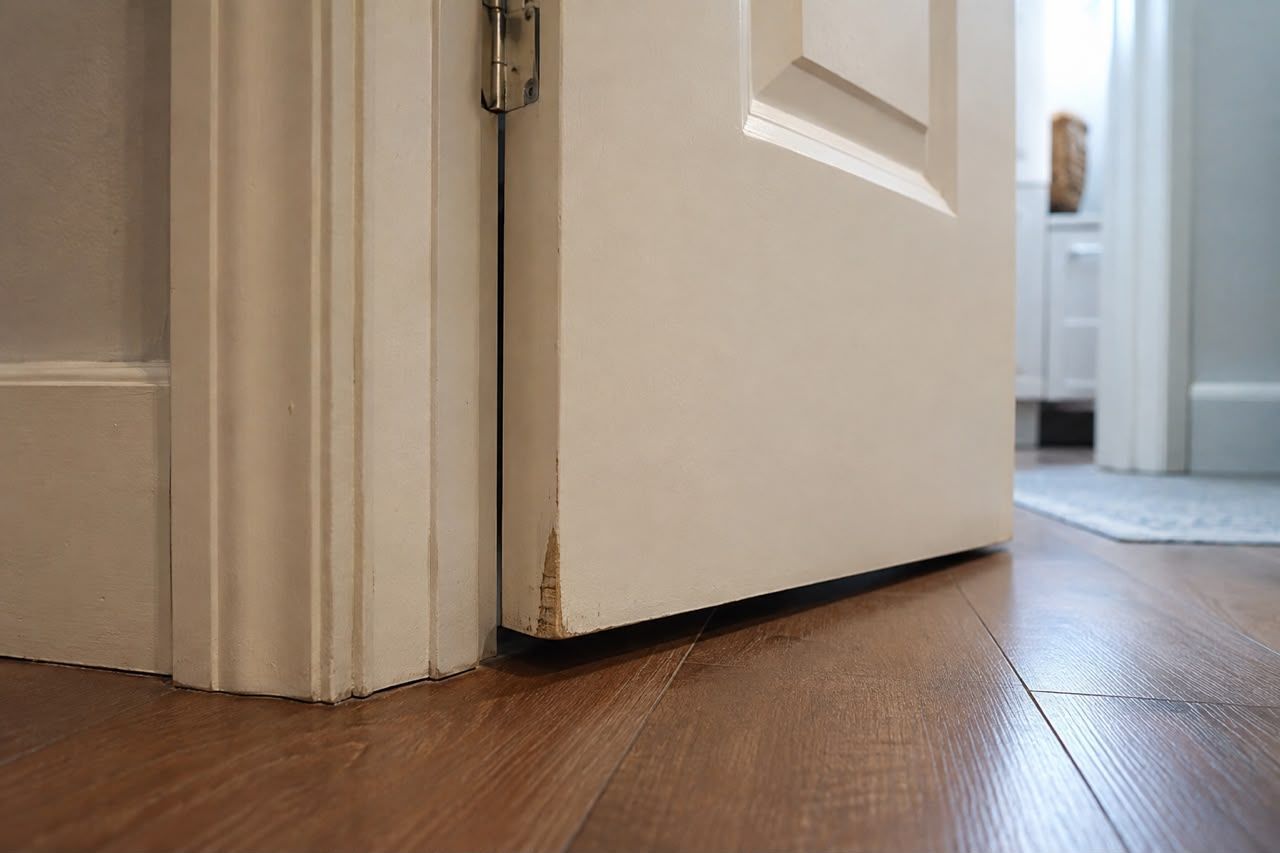
Learn why doors suddenly stop closing after foundation movement, from shifting floors to damaged stumps, and when your Wollongong home may need an assessment.
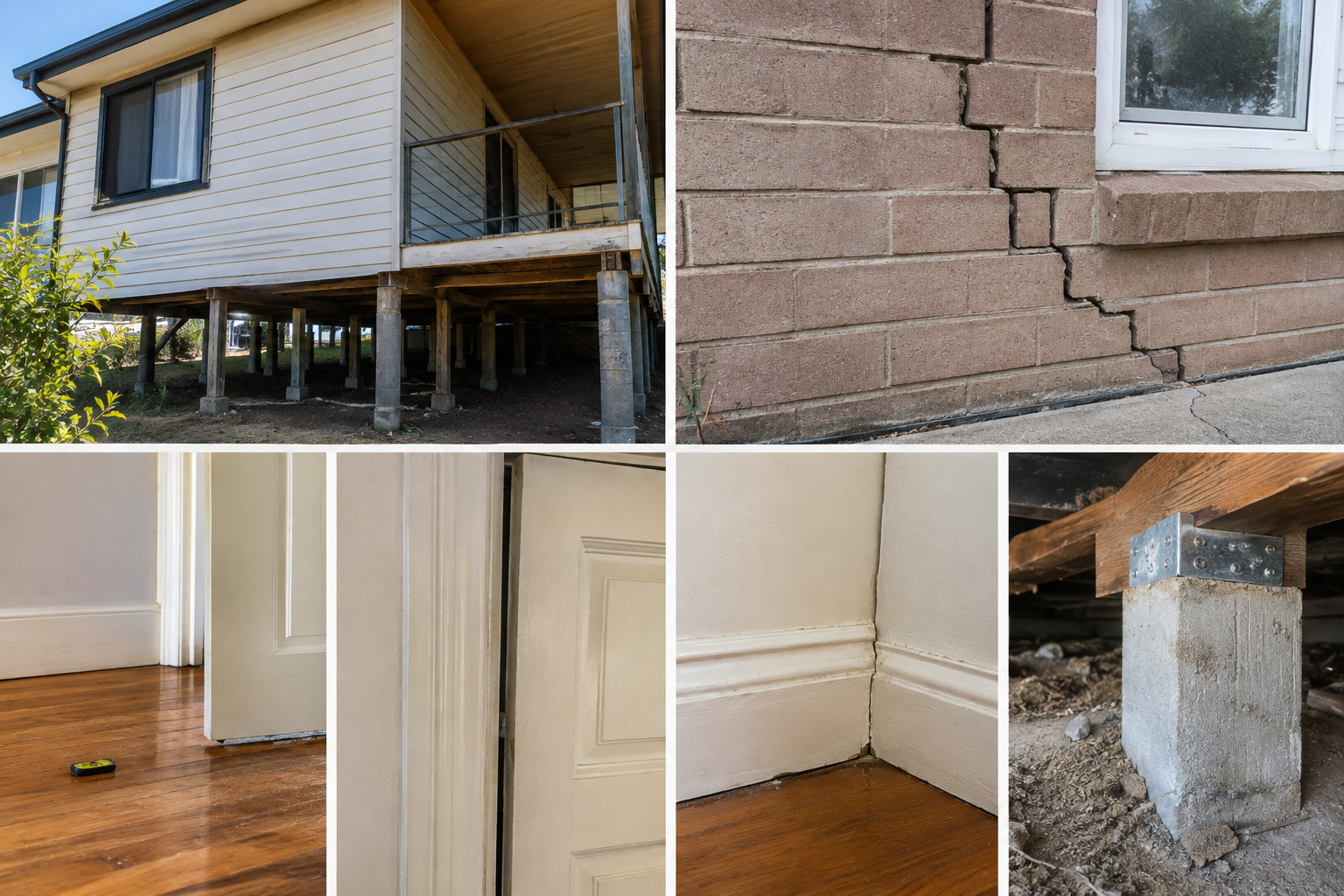
Sagging floors, sticking doors, cracked walls? Here's how to tell if your Wollongong home needs restumping, underpinning, or both.
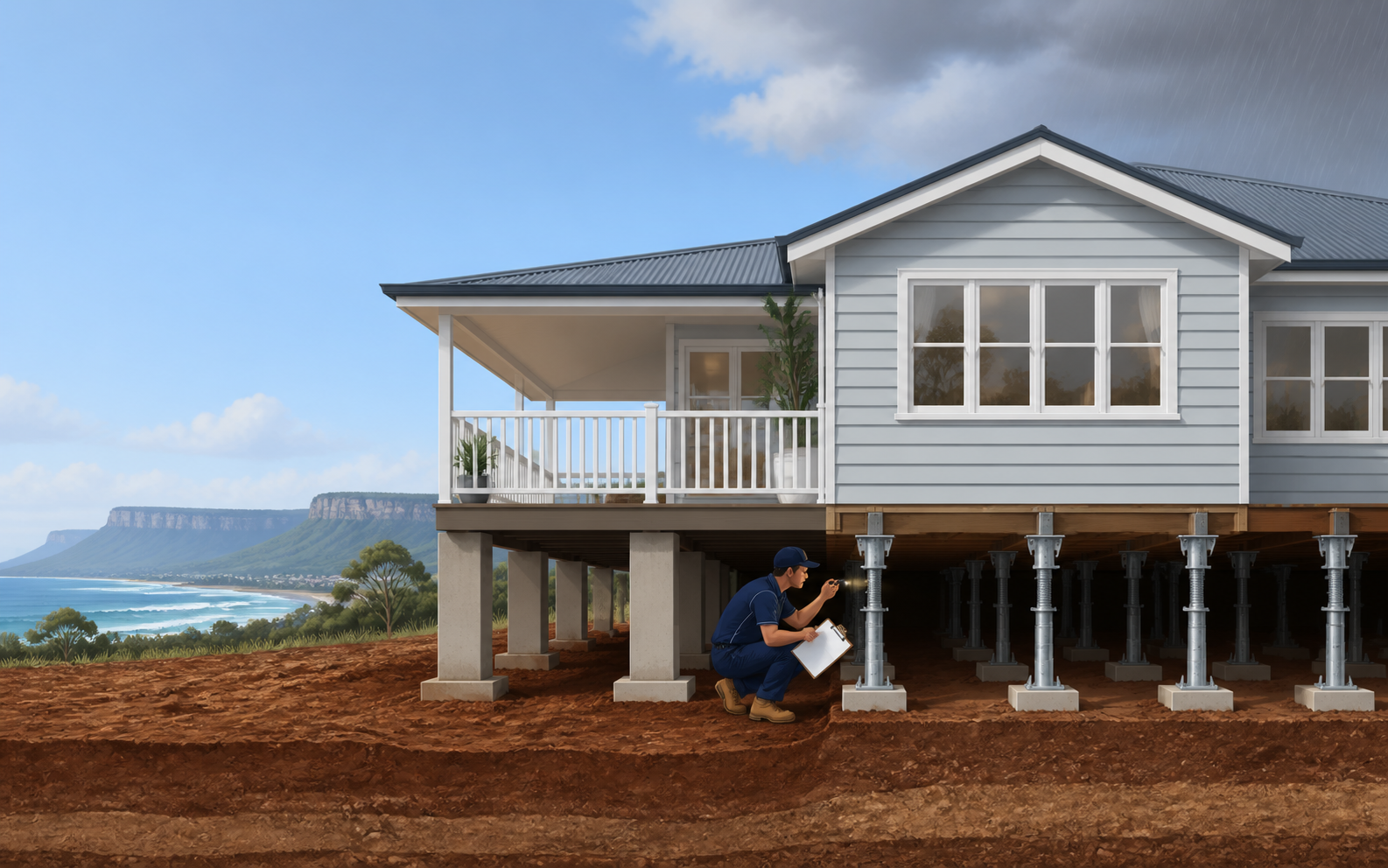
Compare concrete vs steel stumps for Wollongong homes. Learn which option better suits coastal salt air, reactive clay soil, rainfall and your budget.
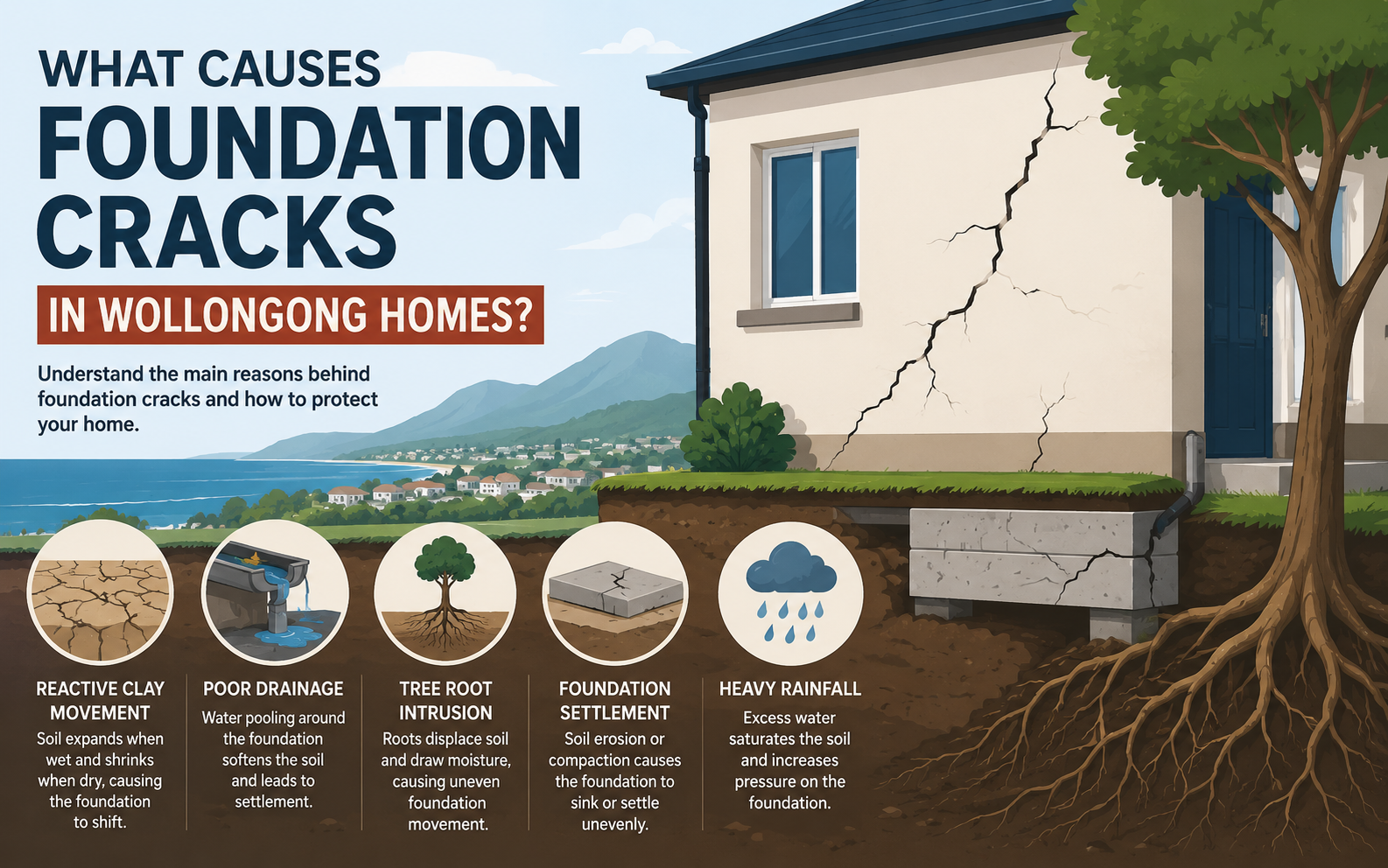
Foundation cracks in Wollongong homes are rarely random. Here's what's causing them, how to read the damage type, and when you need professional repair.
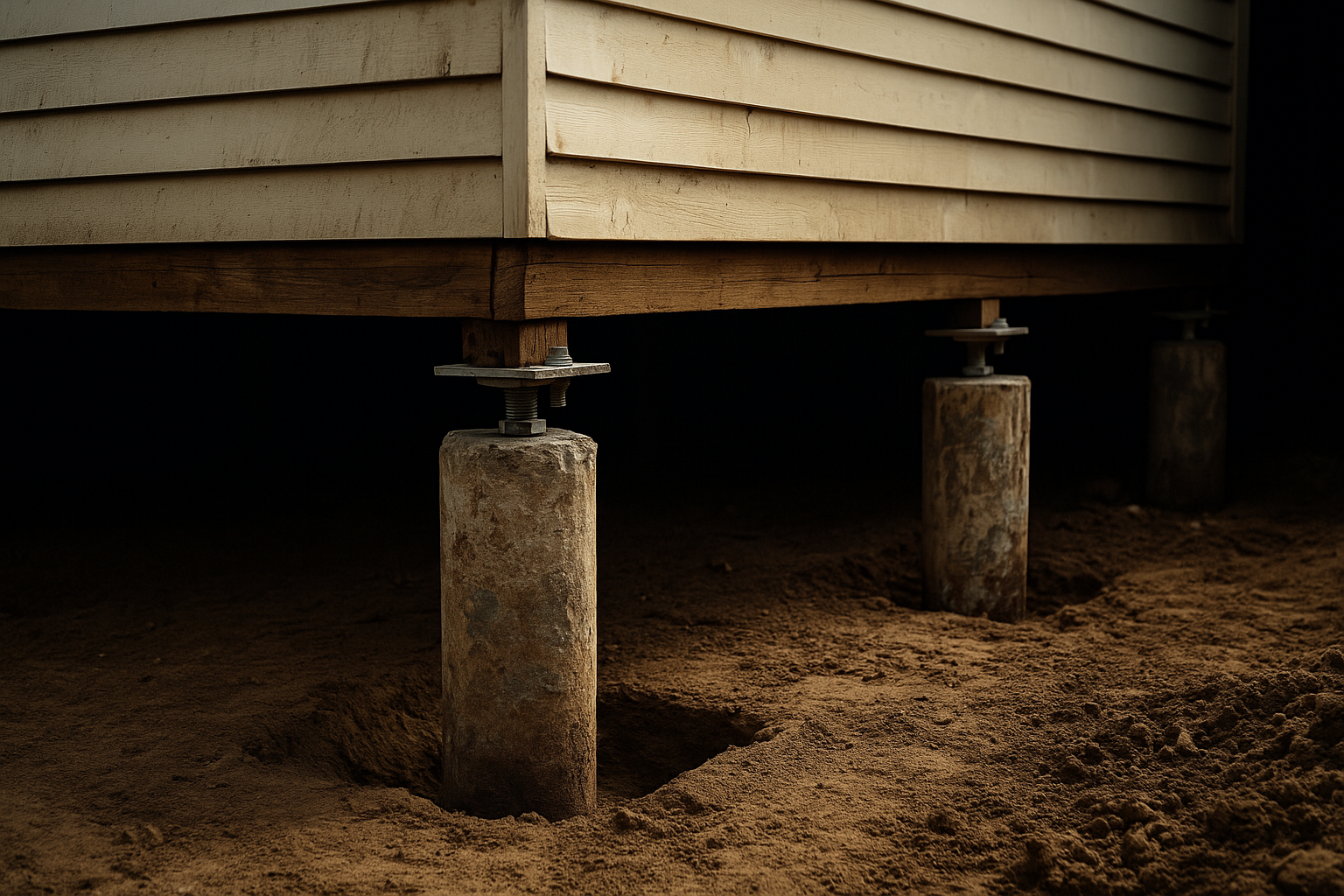
Early foundation repairs prevent structural damage, reduce costly future fixes, and help maintain property value by addressing issues before they worsen.
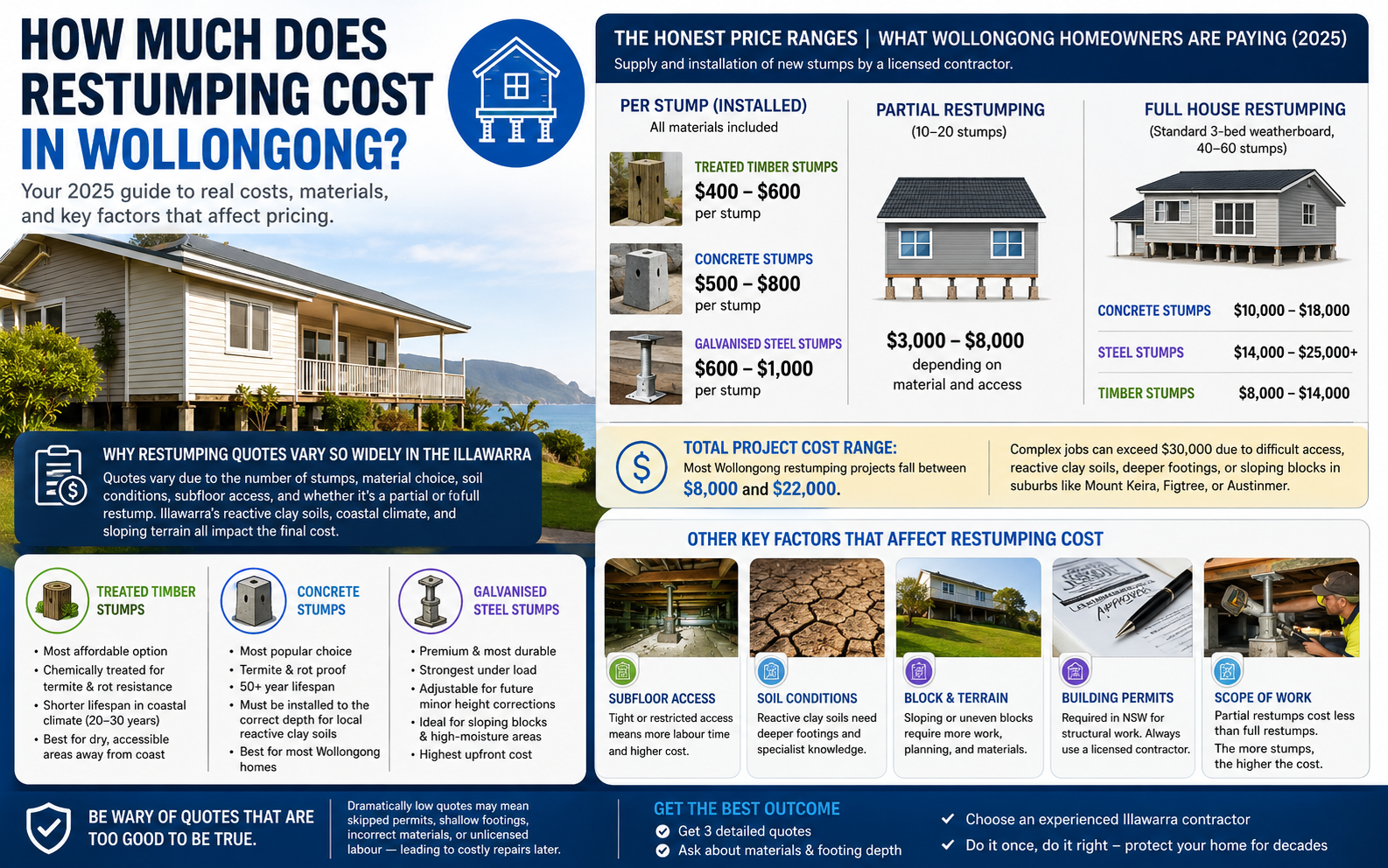
Get accurate restumping costs for Wollongong homes, including per stump pricing, material comparisons, permits, and Illawarra site factors.\
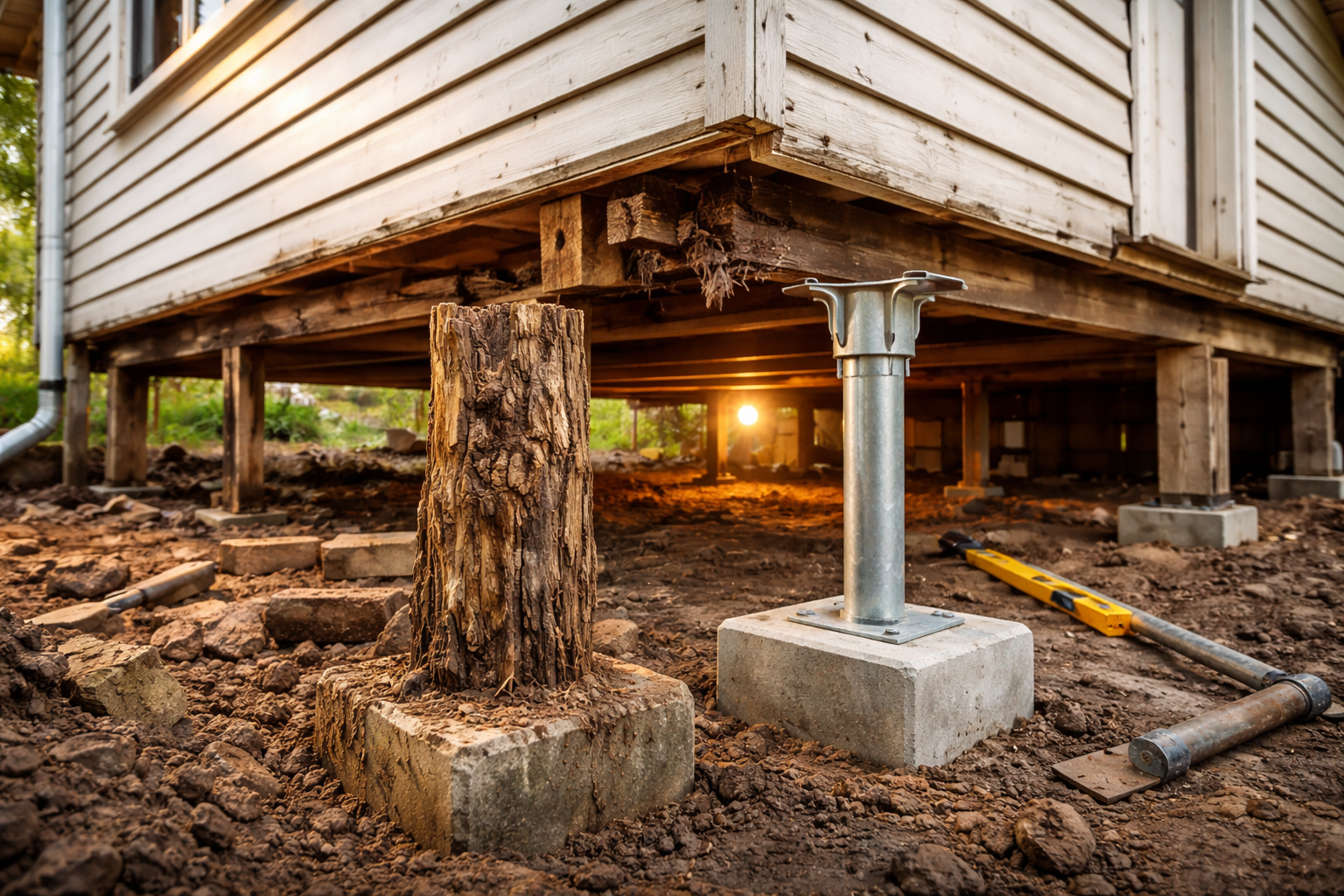
Learn the 7 warning signs your Wollongong home needs restumping. Discover how uneven floors, cracks, and sticking doors signal foundation issues.
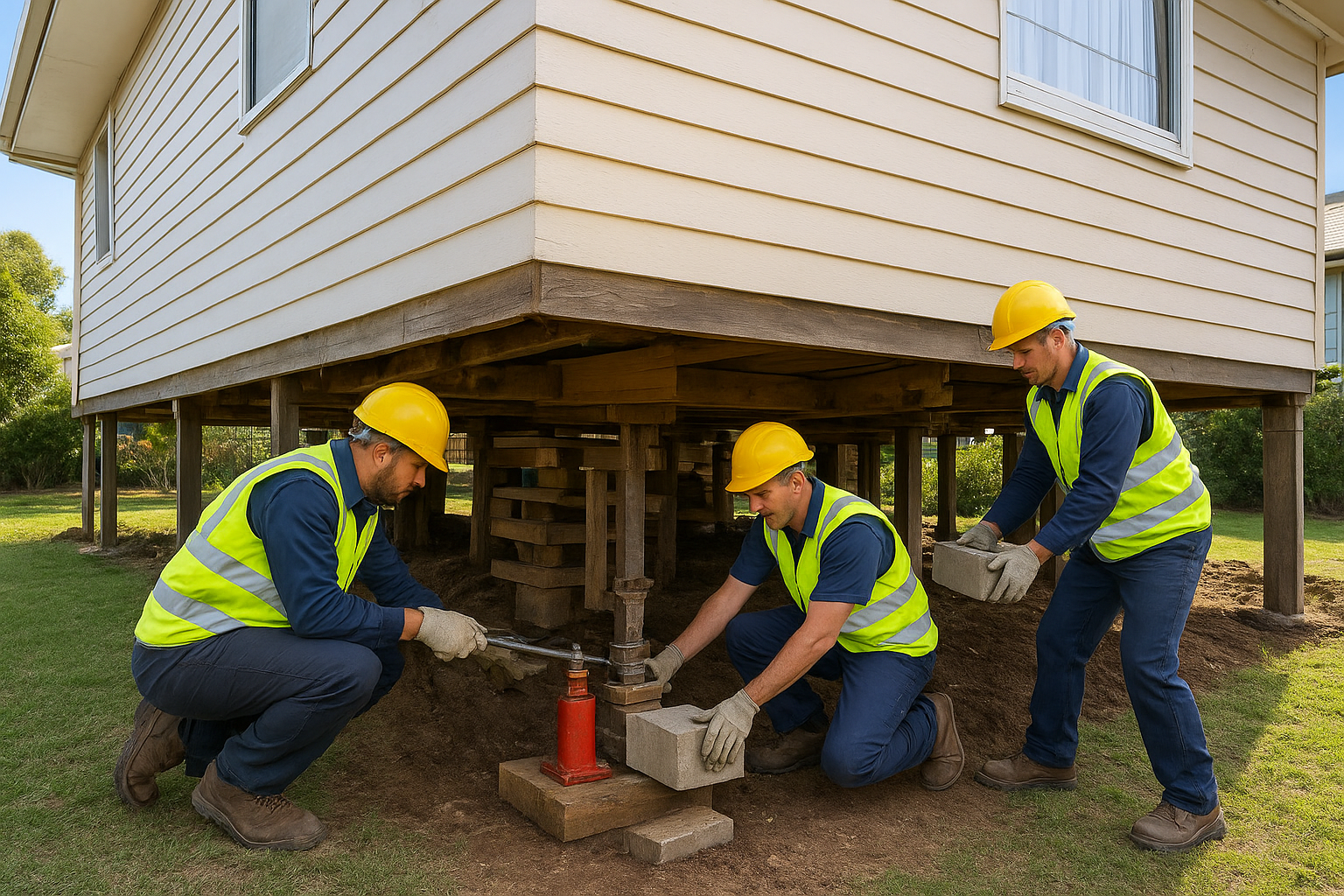
Discover the top 7 common misconceptions about restumping, from costs to structural risks, and learn what homeowners really need to know before starting the process.

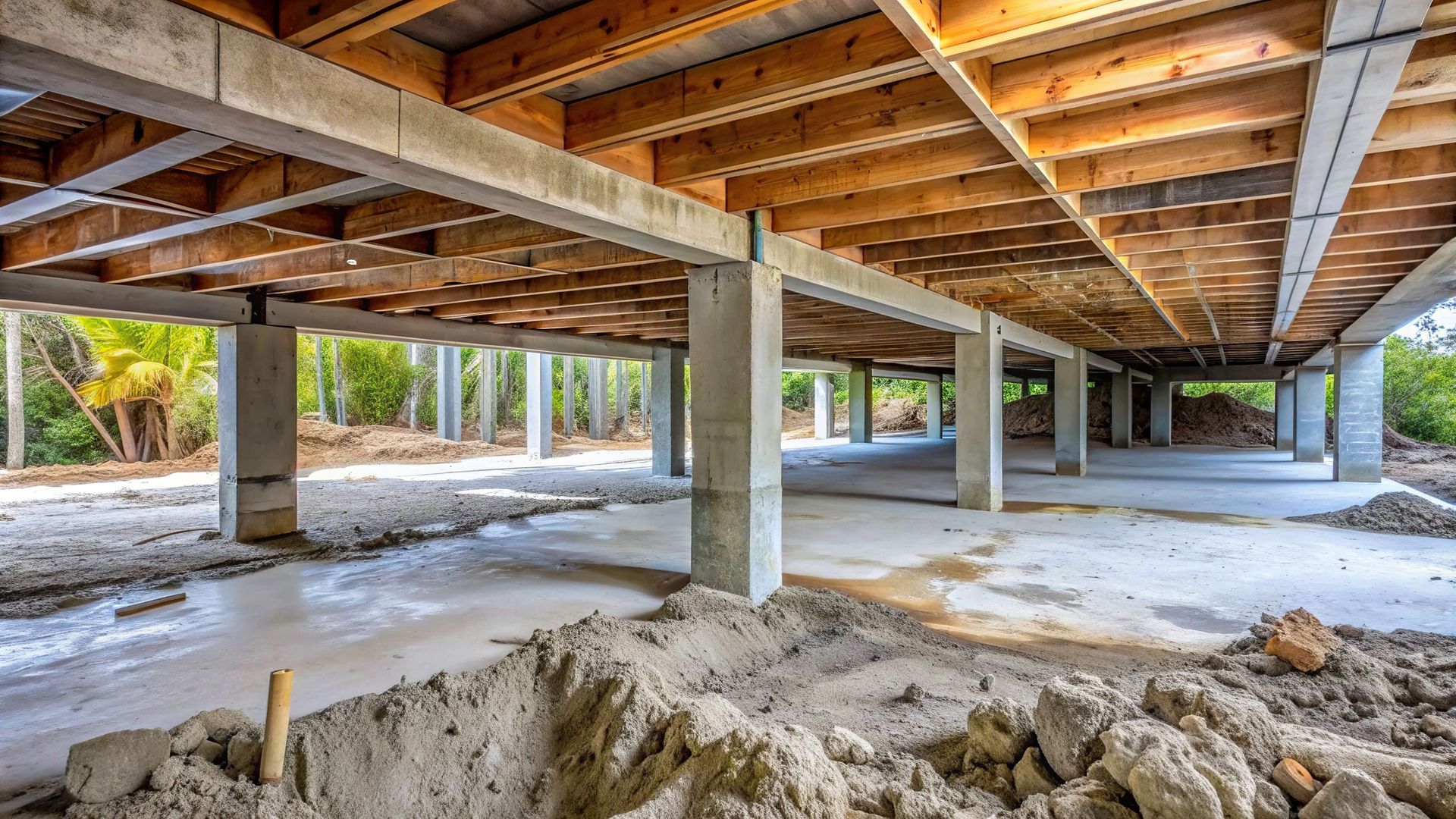
Compare steel and concrete stumps to determine the best option for coastal homes. Explore their durability, resistance to corrosion, and overall suitability.
From road debris to sudden temperature changes, learn the 5 leading causes of rear window damage in Australia and how to avoid expensive repairs.