
wollongongrestumping@gmail.com


What Causes Foundation Cracks in Wollongong Homes?
Rao Hasnain • June 30, 2026
Cracks in walls, floors, and ceilings are among the most common things Wollongong homeowners notice and among the most misread. Some people assume they're cosmetic and paint over them. Others panic and assume the whole house is moving. Most of the time, the truth sits somewhere between the two, and it depends entirely on what caused the crack and what type it is.
Wollongong is not a gentle environment for home foundations. Between the reactive clay soils across large parts of the Illawarra, the sandy coastal ground near the shoreline, the heavy rainfall the region regularly receives, and the ageing housing stock throughout suburbs like
Thirroul,
Corrimal,
Dapto, and
Figtree, the conditions for foundation cracking are built into the area's geography. This is not something that happens to neglected houses. It happens to well-maintained homes simply because of where they're built.
Why Wollongong Homes Are Particularly Vulnerable
Before getting into individual causes, it helps to understand what makes the Illawarra region harder on home foundations than many other parts of NSW.
Reactive clay soils are widespread across Western Wollongong, Dapto, Horsley, and inland Illawarra areas. Clay soil expands when wet and contracts when it dries out. In a region that swings between dry summers and heavy winter rainfall, this cycle of expansion and contraction puts constant stress on any foundation sitting in it.
Sandy coastal soils near beachside suburbs lack the cohesion of clay and are more prone to erosion and washout beneath foundations, particularly during heavy rain events.
High annual rainfall and poor drainage around older properties create conditions where water pools around foundations, softens the soil beneath, and accelerates both movement and material deterioration.
Ageing housing stock, many Wollongong homes were built between the 1950s and 1970s on timber stumps or early concrete footings that were never designed to last this long without maintenance.
All of these factors combine to make foundation cracking common across the region. The cause, however, is usually one of the following.
Reactive Clay Soil Swelling and Shrinking
This is the most widespread cause of foundation cracking in Wollongong homes, particularly in the inland and Western suburbs. Clay soil does not stay still. When rain arrives after a dry period, the clay absorbs moisture and expands, pushing up against whatever sits on top of it, including your home's footings and stumps. When summer arrives and the soil dries out, it contracts, and the foundation drops back down. This cycle repeats through every season, and over the years, the cumulative movement causes the foundation to shift unevenly.
The cracks that result from clay movement tend to appear diagonally, running at 45 degrees from the corners of windows and door frames, because those are the weakest points in a wall where stress concentrates. If you see diagonal cracks running from window corners and they've appeared or grown after a dry spell or heavy rain, reactive clay movement is almost certainly the cause.
Poor Drainage and Water Pooling Around the Foundation
Water that has nowhere to go ends up where it's most damaging, sitting against and beneath your foundation. Blocked gutters that overflow against the house, gardens built up against the external walls, blocked stormwater drains, and sloped land that directs runoff toward the house rather than away from it, all of these create conditions where water saturates the soil immediately around the footings. Over time, this softens and erodes the ground beneath the foundation, causing uneven settlement and cracking.
This is a particularly common cause in older Wollongong homes where the original drainage was never great to begin with and gardens have been landscaped over the years in ways that redirect surface water inward. Cracks caused by drainage issues often appear gradually and worsen after heavy rain periods. If cracks appear or grow following wet weather, drainage is one of the first things a professional will assess.
Tree Root Intrusion
Mature trees, especially eucalyptus, fig, and poplar species common in Wollongong gardens, have root systems that extend far beyond the canopy and can easily reach beneath a home's foundation.
Tree roots do two things to foundations. First, they physically displace soil as they grow, creating pressure against and beneath footings. Second, in dry conditions, large trees draw significant moisture from the soil around them, causing clay soils to shrink on one side of the foundation while the other side remains relatively stable. This differential movement, one side moving, the other staying put, is one of the most effective ways to crack a concrete footing or slab.
If you have a large established tree within 5 to 10 metres of your home's perimeter and you're seeing cracks develop on the side of the house facing it, tree roots are worth investigating.
Plumbing Leaks Beneath the Foundation
A slow leak in a water pipe or drain running beneath a concrete slab or around a subfloor is easy to miss until the damage is already done. Underground plumbing leaks saturate and soften the soil in one specific area, causing localised settlement; the foundation sinks unevenly in the spot where the leak has been washing soil away. This produces cracks that are often concentrated in one area of the home rather than spread throughout, and they tend to appear and worsen regardless of weather conditions.
Cracks appearing in one specific section of the house, or floors that feel soft or springy in one area, can both point to a plumbing leak as the cause. A plumber's leak detection test, combined with a foundation inspection, is needed to confirm this.
Soil Erosion in Coastal Areas
For homes in beachside and coastal suburbs, Woonona, Bulli, Thirroul, Stanwell Park, Port Kembla, sandy soils present a different problem. Rather than swelling and shrinking like clay, sandy soil washes away.
Heavy rainfall, stormwater runoff, and in some cases, proximity to drainage infrastructure all move fine sandy particles away from beneath footings over time. This leaves voids, gaps in the soil where the foundation was previously supported. When the footing spans a void, it's unsupported in that section and cracks as a result.
Coastal erosion-related cracks often look similar to settlement cracks, vertical or slightly diagonal, but they tend to be more rapid in progression once they start, because the void beneath grows with each rainfall event.
Age and Deterioration of Stumps or Foundation Materials
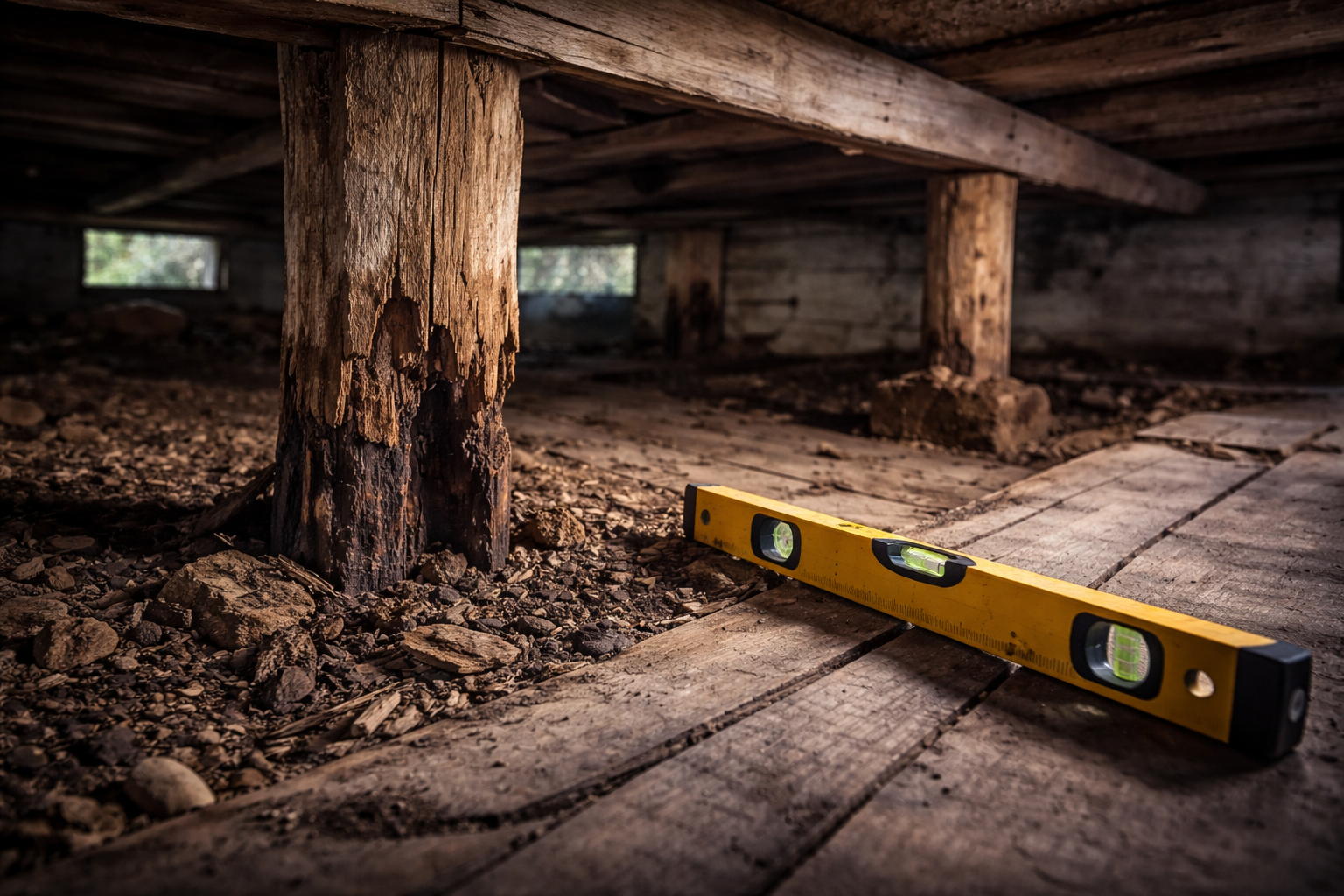
This is the cause that catches many Wollongong homeowners off guard because it doesn't require any extreme weather event; it happens during ordinary times. Timber stumps still present in a large number of pre-1980s Wollongong homes rot, absorb moisture, and eventually compress under the load they're carrying. As they deteriorate, they no longer support the floor frame at the correct height, causing the frame to drop on one side and the walls above to crack as they move with it. Concrete stumps from that era can also deteriorate, particularly if they were not properly reinforced.
If your home has not had a
foundation inspection and the stumps are original, cracks in walls and ceilings may not be caused by soil movement at all; they may simply be the result of the structure gradually losing its support from below. The 7 warning signs your home needs restumping overlap significantly with the signs of stump-related cracking, and it's worth reading both together.
Overloading From Extensions or Renovations
Adding a second storey, extending the rear of the home, or installing heavy materials like slate or stone tiling increases the load on a foundation that was originally designed for a lighter structure.
If an extension or renovation was done without an engineering assessment of the existing foundation's capacity, which was common in older homes, the footings may not be adequate for the additional load. Over time, the overloaded sections compress and settle, producing cracks in the original structure, particularly at the junction between the old and new work.
How to Read the Cracks You're Seeing
Not all cracks mean the same thing. The shape, direction, width, and location of a crack each carry information about what caused it and how serious it is.
Hairline cracks:
Less than 1mm wide. Often cosmetic, caused by plaster or render movement as the house breathes through temperature changes. Monitor them, but they're rarely urgent on their own.
Vertical cracks:
Often caused by settlement, where one part of the foundation has moved downward. If they're narrow and stable, they may not be active. If they're widening, the movement is ongoing.
Diagonal cracks:
Usually caused by differential settlement or reactive clay movement. The classic 45-degree crack running from a window or door corner. These warrant professional assessment because they indicate one part of the structure moving differently from another.
Horizontal cracks:
Often the most serious, particularly in brick or block walls. They indicate lateral pressure, soil pushing inward against a wall. These should not be left uninvestigated.
Stair-step cracks in brickwork:
Follow the mortar lines and indicate that individual bricks are moving relative to each other. Almost always caused by settlement or soil movement beneath the footing.
Cracks wider than 5mm:
Any crack this wide or wider needs professional assessment, regardless of direction. Width indicates significant movement has already occurred.
If you are already noticing any of these,
the foundation crack repair page covers the specific repair approaches used depending on the cause and type of damage.
When to Call a Professional
Some cracking in a home is normal, and not every crack represents structural danger. But there are clear signals that what you're seeing goes beyond surface movement.
A crack is wider than 3 to 5mm, or is visibly growing over weeks or months. Doors or windows have started to stick or no longer close properly; this means the frame has moved, not just the surface finish. Floors are noticeably uneven or springy underfoot. Cracks appear suddenly after a period of heavy rain or extended dry weather. Multiple cracks are appearing in the same area at the same time. A crack runs through a structural wall, not just a plaster finish.
Acting early is consistently cheaper. Cracks caught while the movement is still minor can often be addressed with targeted foundation crack repair. Left long enough, the same underlying cause produces damage that requires full underpinning or restumping, a significantly larger job. For a realistic sense of what that cost difference looks like, the
restumping cost guide for Wollongong breaks down pricing across different job scopes.
Frequently Askes Questions
Are foundation cracks normal in older Wollongong homes?
Minor hairline cracking in plaster is common in older homes and is usually the result of the building moving slightly through seasonal temperature changes. Wider cracks, diagonal cracks from door and window corners, or any cracking that is growing over time is not normal and needs assessment.
How fast do foundation cracks spread?
It depends entirely on the cause. Cracks driven by reactive clay movement tend to grow gradually through seasonal cycles. Cracks caused by plumbing leaks, erosion, or tree roots can develop and worsen faster. Any crack that has noticeably changed in size over a few weeks should be assessed promptly.
Can I fill a foundation crack myself?
You can fill a surface crack with filler or caulk, but this addresses the cosmetic issue only. If the underlying cause, soil movement, drainage, or stump deterioration, isn't resolved, the crack will return and likely grow. Surface patching without addressing the cause is a temporary fix at best.
Will foundation cracks affect my home's sale value?
Yes. Visible foundation cracking is one of the first things building inspectors flag, and buyers and lenders both take it seriously. Repaired and certified cracks are far less damaging to value than unaddressed ones.
Do Wollongong homes near the escarpment have more foundation problems?
Escarpment-adjacent properties can face additional challenges, including slope movement, high water tables, and different soil profiles compared to flat suburban properties. A soil test is particularly important for homes in these areas before any foundation repair work is specified.
Ready to work with Wollongong Restumping?
Let's connect! We’re here to help.
Send us a message and we’ll be in touch.
Or give us a call today at 0242026325
Agency Contact Form
More Marketing Tips, Tricks & Tools
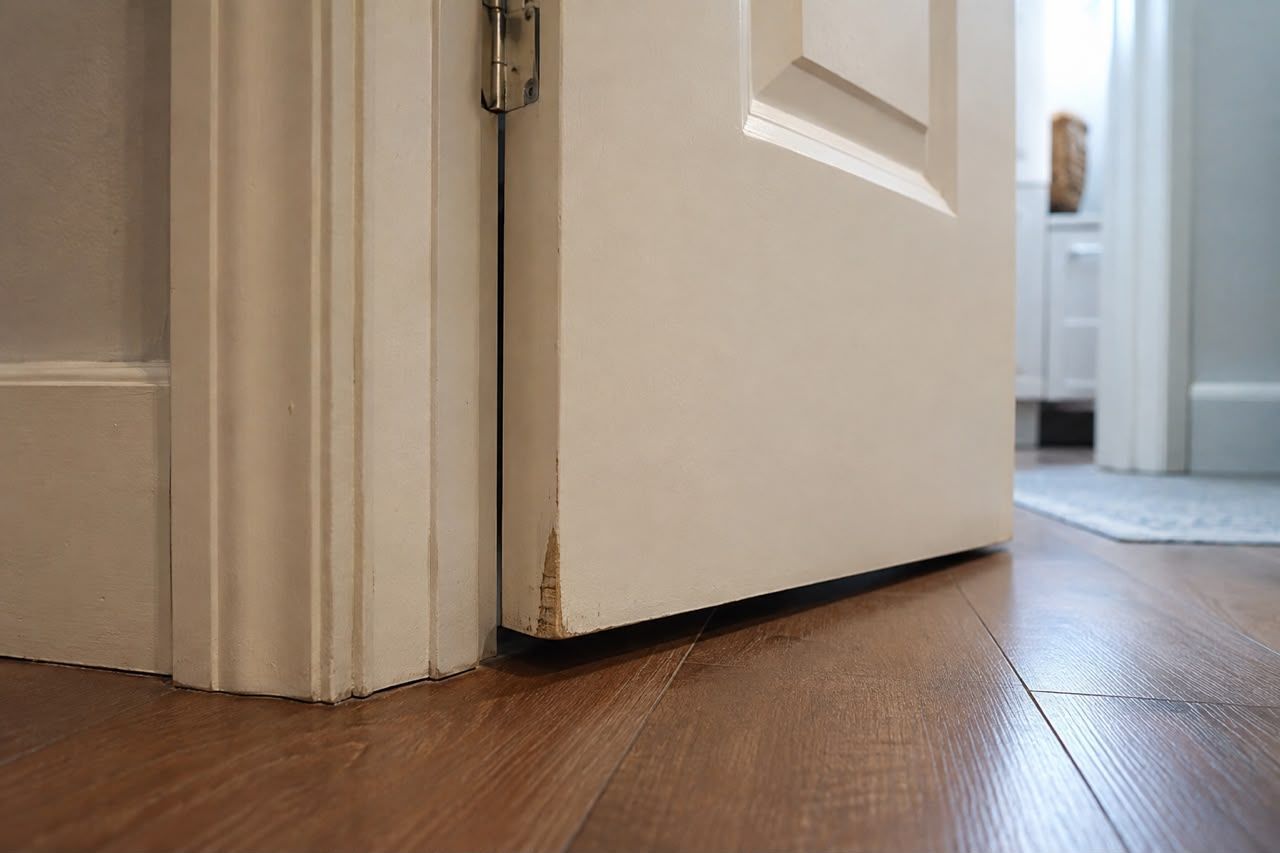
Learn why doors suddenly stop closing after foundation movement, from shifting floors to damaged stumps, and when your Wollongong home may need an assessment.
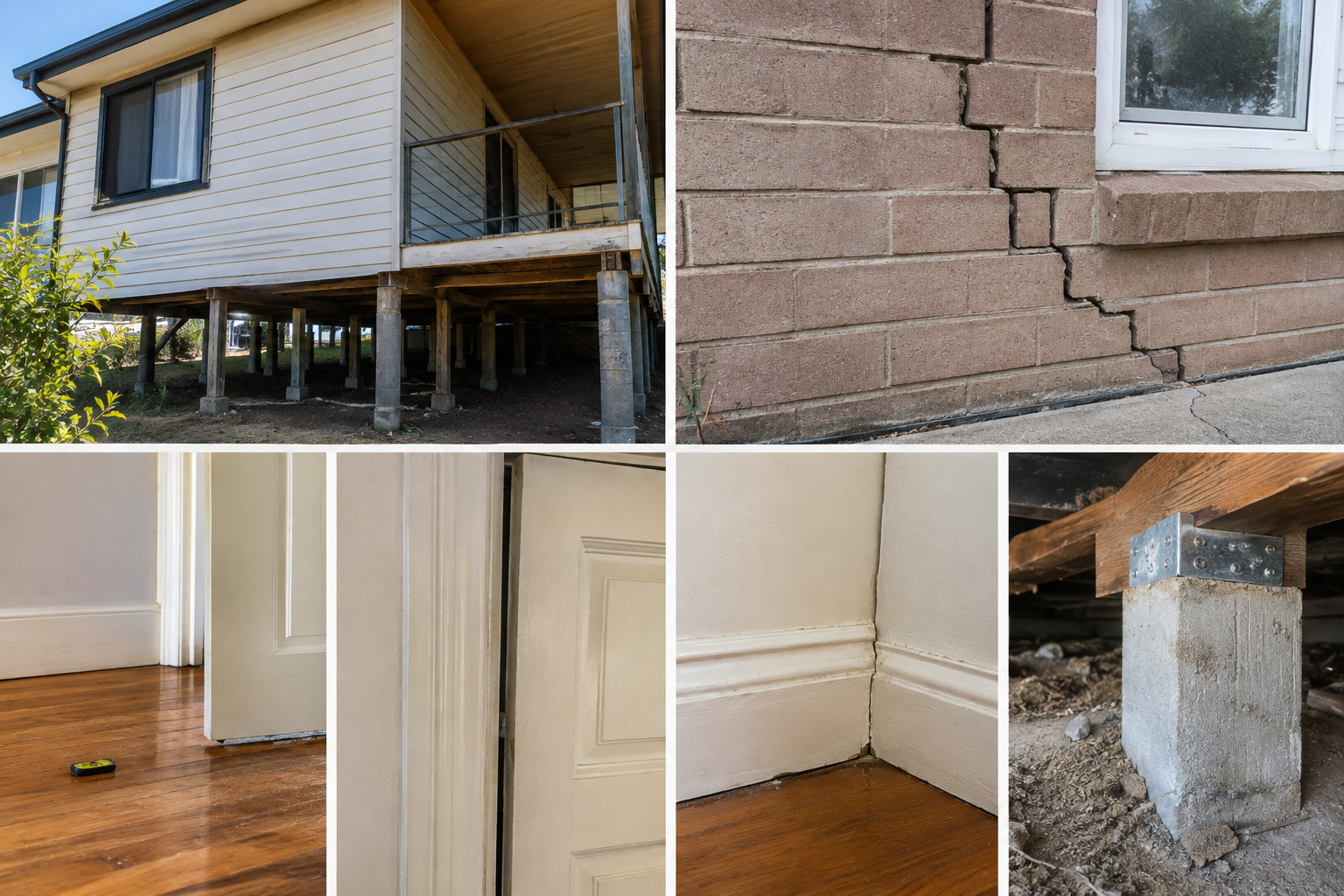
Sagging floors, sticking doors, cracked walls? Here's how to tell if your Wollongong home needs restumping, underpinning, or both.
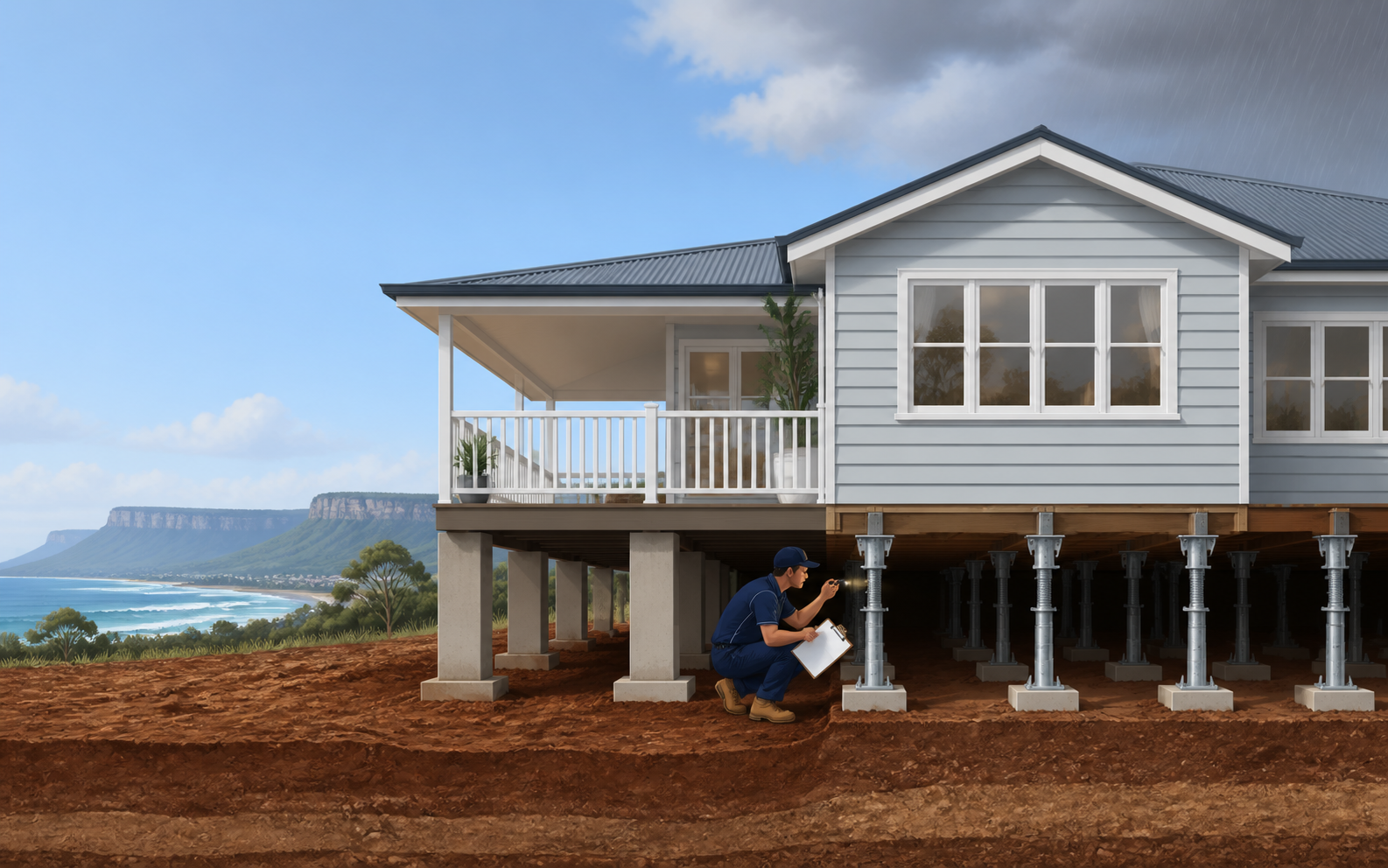
Compare concrete vs steel stumps for Wollongong homes. Learn which option better suits coastal salt air, reactive clay soil, rainfall and your budget.
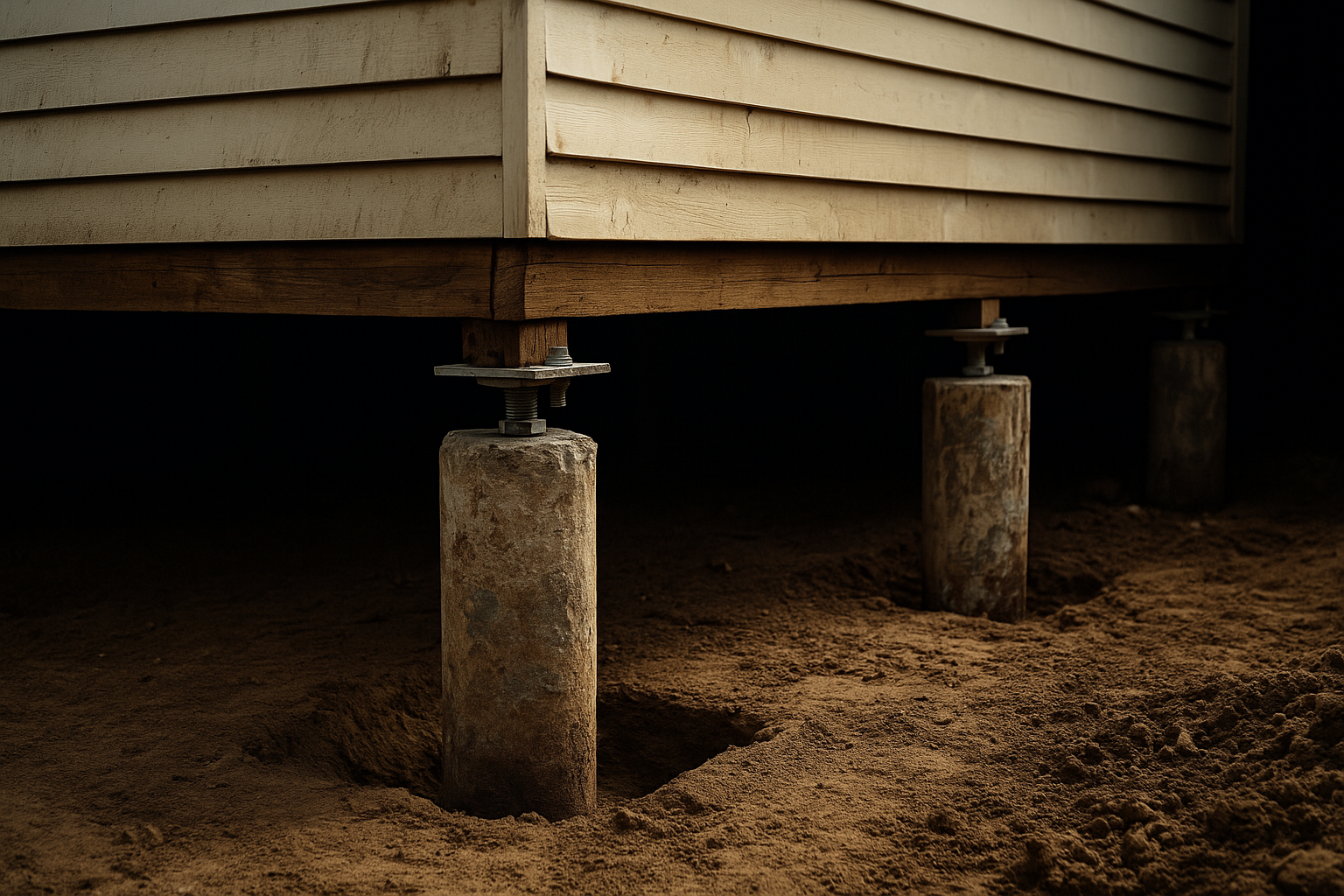
Early foundation repairs prevent structural damage, reduce costly future fixes, and help maintain property value by addressing issues before they worsen.
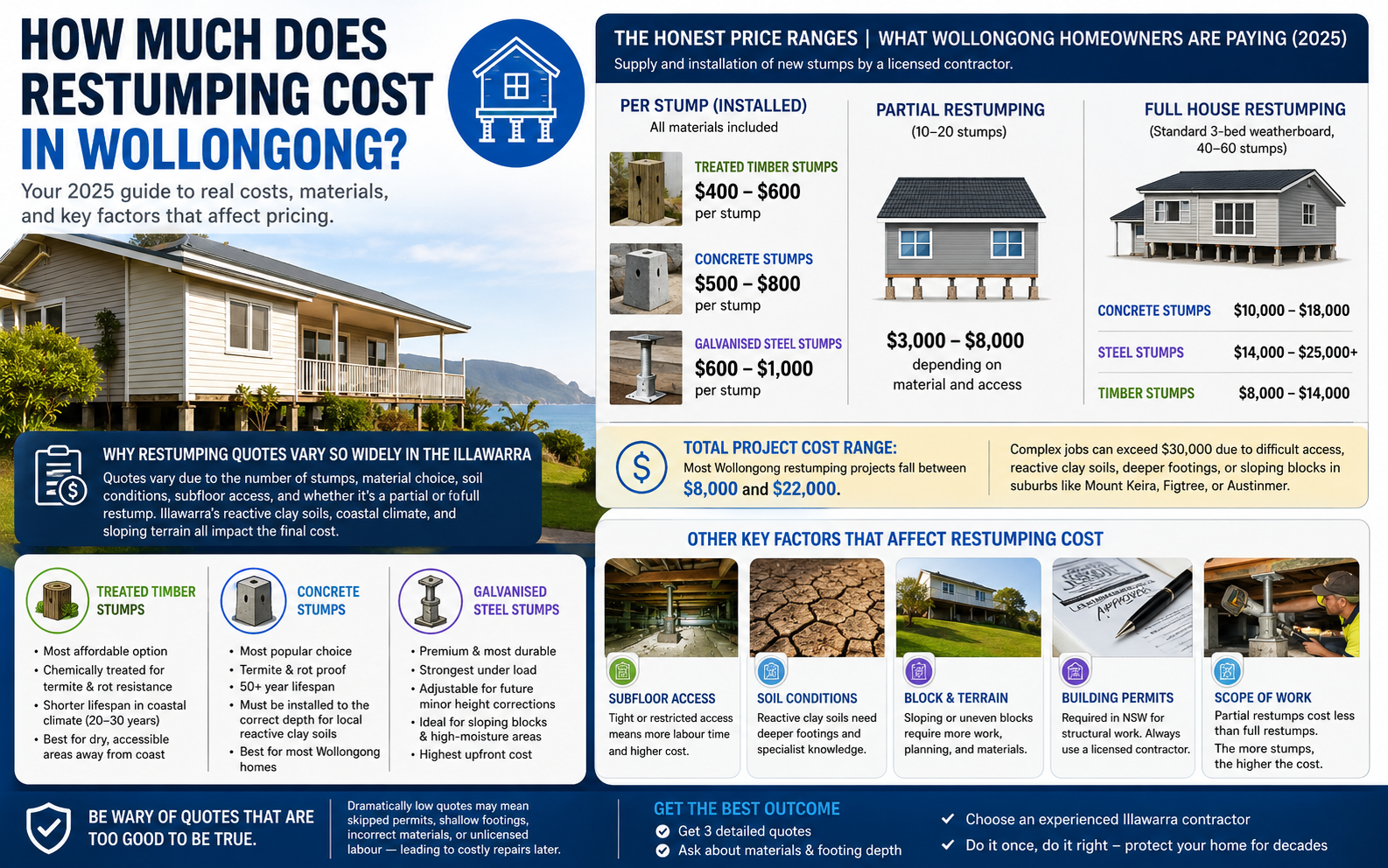
Get accurate restumping costs for Wollongong homes, including per stump pricing, material comparisons, permits, and Illawarra site factors.\

Learn when home insurance may cover restumping or foundation repairs, common exclusions, claim options, and what Wollongong homeowners need to know.
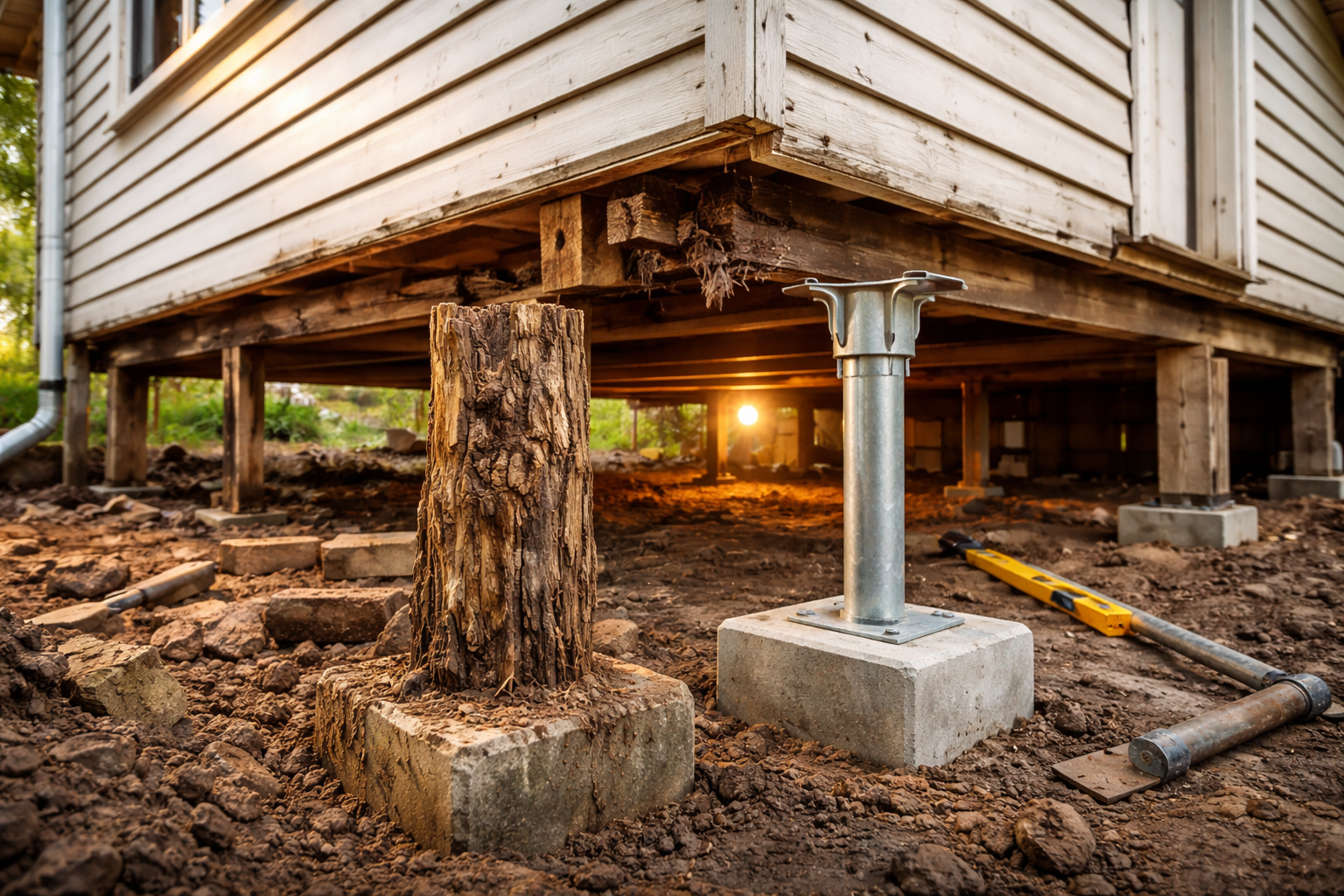
Learn the 7 warning signs your Wollongong home needs restumping. Discover how uneven floors, cracks, and sticking doors signal foundation issues.
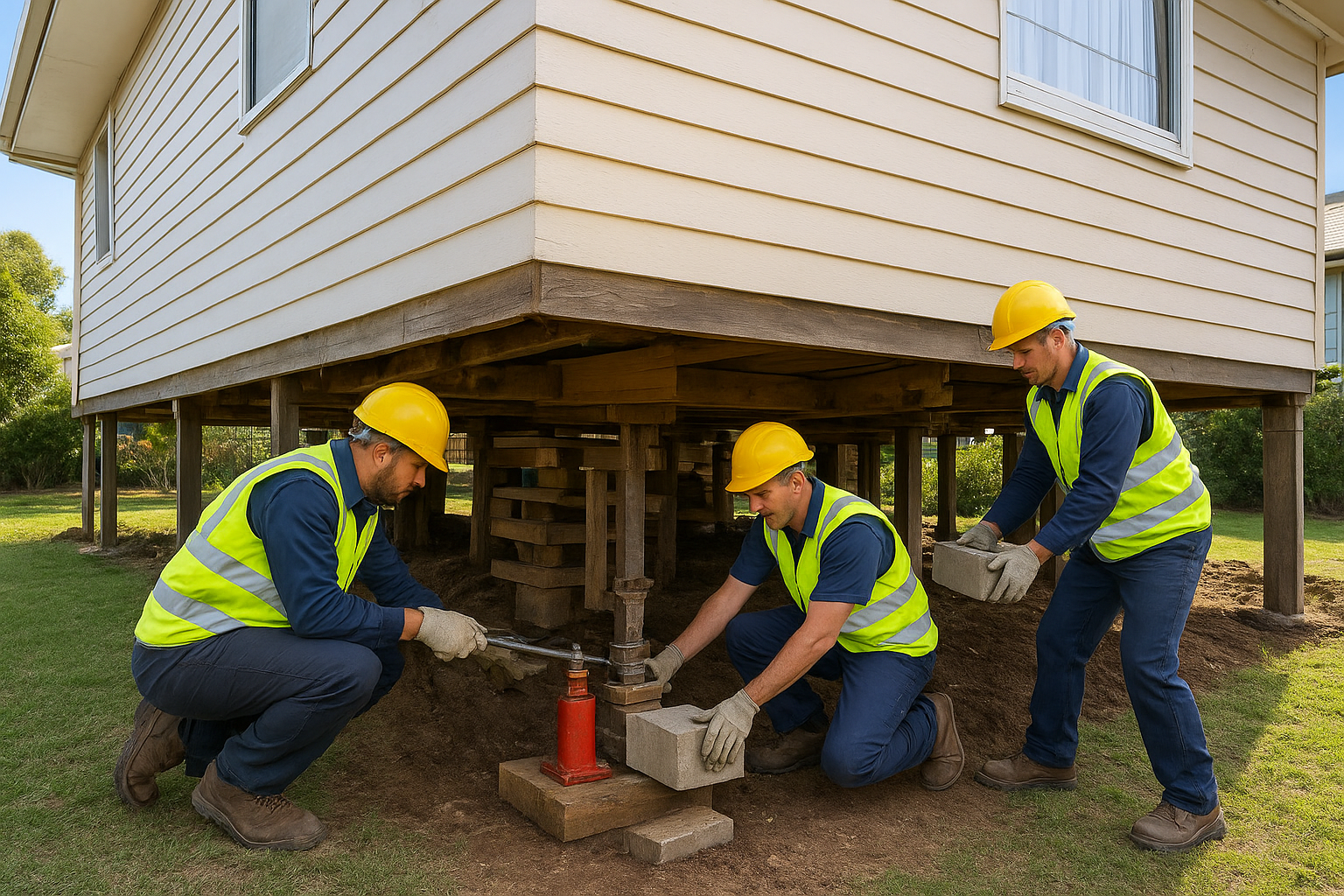
Discover the top 7 common misconceptions about restumping, from costs to structural risks, and learn what homeowners really need to know before starting the process.
Compare steel and concrete stumps to determine the best option for coastal homes. Explore their durability, resistance to corrosion, and overall suitability.
From road debris to sudden temperature changes, learn the 5 leading causes of rear window damage in Australia and how to avoid expensive repairs.