wollongongrestumping@gmail.com



Timber Stump Replacement in Wollongong for Old Houses
Rao Hasnain • November 8, 2026
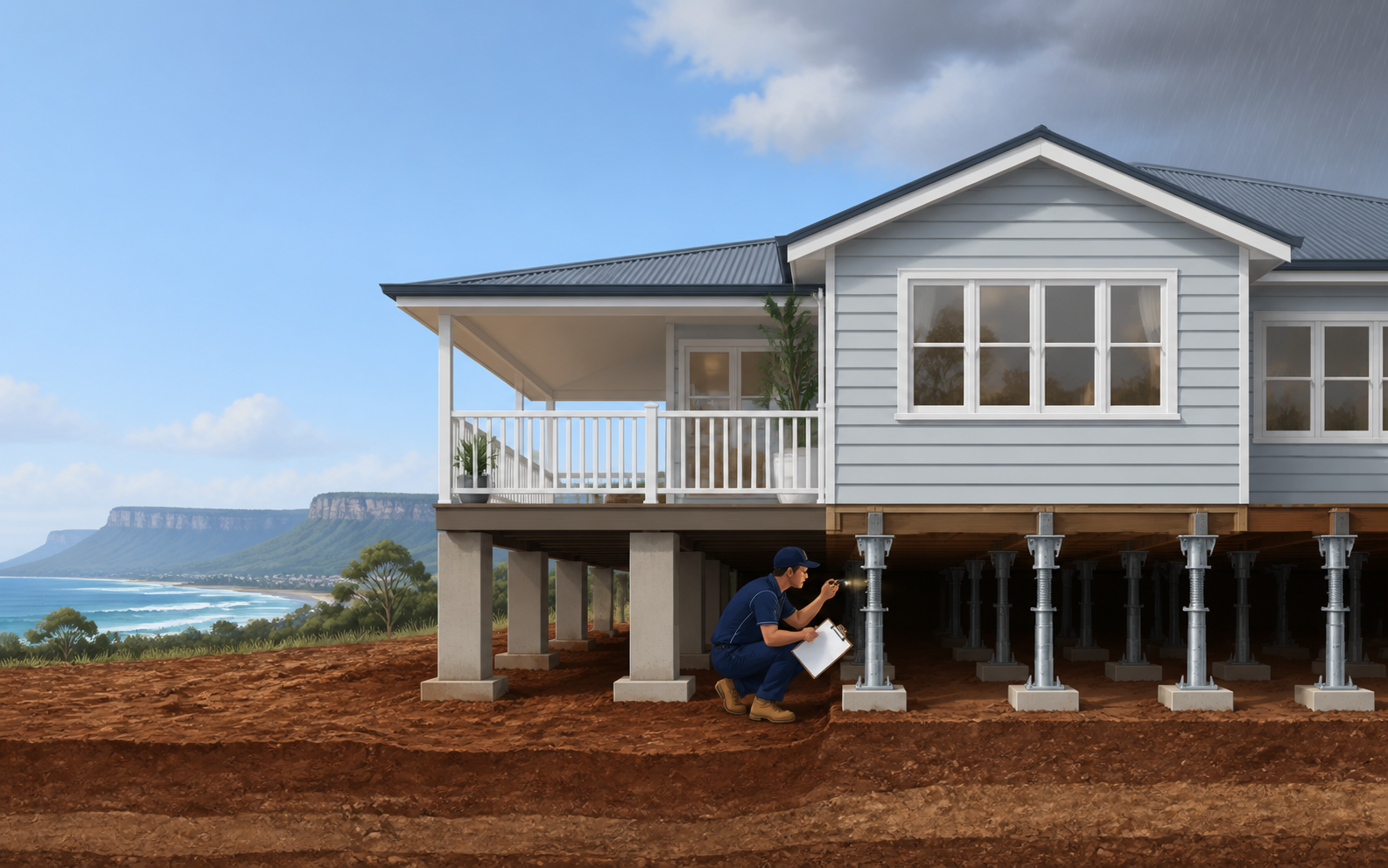
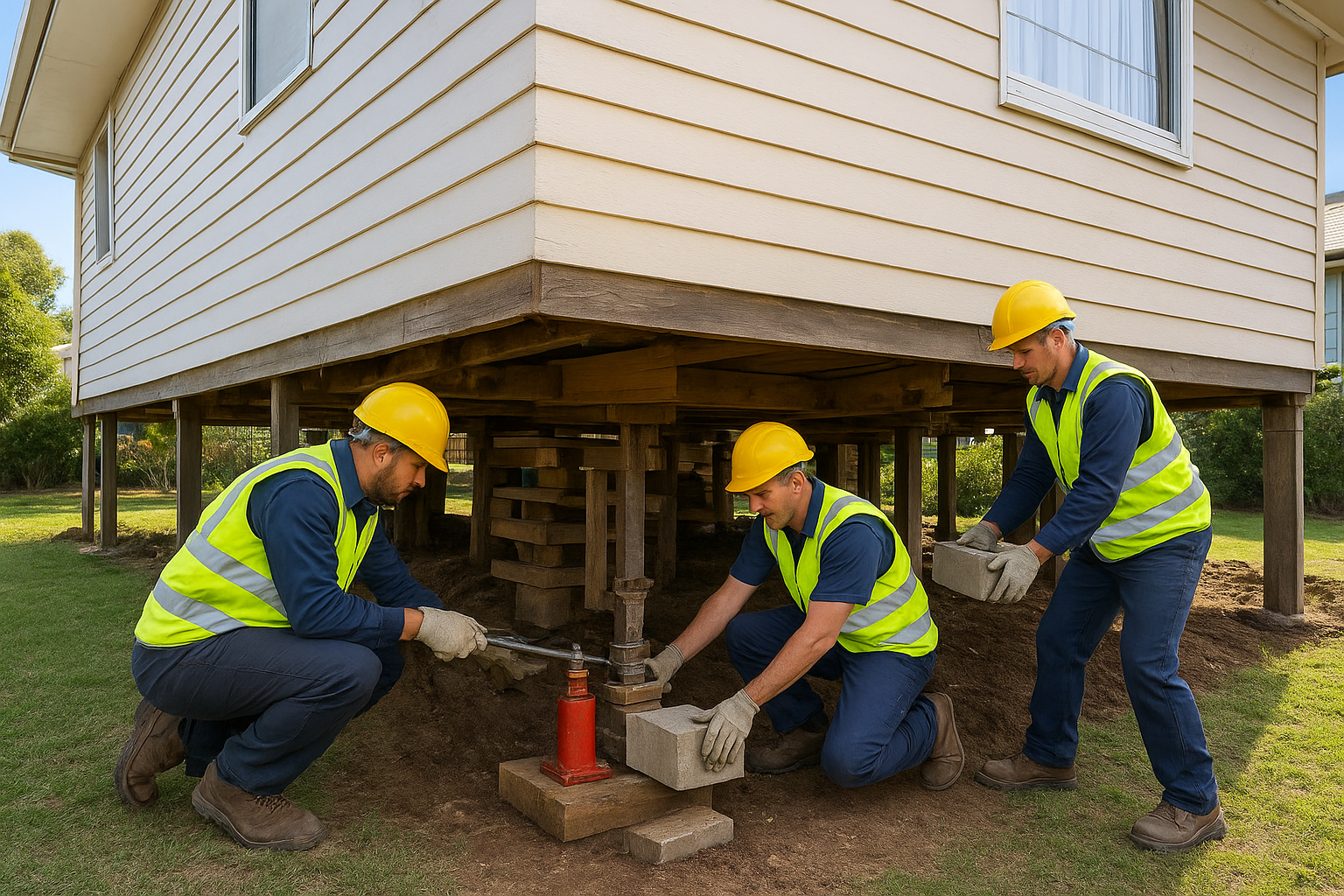
Timber stumps in older Wollongong homes typically need replacing when they show rot at the ground line, termite damage, cracking, leaning or sinking. Replacement involves temporarily supporting the house, removing the failed stumps, setting new footings and fitting new stumps at the correct height, then re-levelling the floors. Many old homes can have only the failed stumps replaced, while others need a full restump, and a free on-site inspection is the only reliable way to tell which applies.
Why Old Wollongong Houses Are So Prone to Stump Problems
Many of Wollongong’s older homes, from timber cottages and weatherboard houses to fibro and Federation-era dwellings, were built on timber stumps that have now been in the ground for decades. Even good hardwood doesn’t last forever, and the Illawarra is a tough environment for it.
- Coastal humidity keeps the subfloor damp for long stretches of the year.
- Heavy rainfall and runoff from the escarpment can leave soil around stumps waterlogged.
- Poor subfloor drainage and limited ventilation let moisture sit against the timber.
- Termites find damp, aged timber easy to attack.
Over time, these conditions soften the base of the stump, which is where most failures start.
Signs Your Timber Stumps Need Replacing
You don’t need to crawl under the house to spot early warning signs. Look for:
- Floors that slope, dip or feel bouncy underfoot
- Doors and windows that stick or no longer close properly
- Cracks in internal plaster, particularly above door frames
- Gaps opening between skirting boards and floors
- Visible rot, softness or crumbling at the base of stumps
- Mud tubes or hollow-sounding timber, which can point to termite activity
- Stumps that lean, have sunk or have shifted out of position
Any one of these is worth getting checked, and several together usually mean the stumps are failing.
Do All the Stumps Need Replacing?
Not always. If the damage is limited to a few stumps in one area, a partial restump may be enough. If the stumps are broadly deteriorated, or the floor has moved across the whole house, replacing them all is usually the more sensible long-term fix, since patching a few and leaving the rest to fail soon after can mean paying for access and setup twice. For a breakdown of how long each scope takes, see our guide on how long house restumping takes in Wollongong.
What Does Timber Stump Replacement Involve?
1. Inspection and assessment. The subfloor is inspected to check the condition and position of every stump, the soil, drainage and access.
2. Supporting the house. The affected section of the home is carefully jacked and supported so the load is lifted off the failing stumps.
3. Removing the failed stumps. Old, rotted or damaged stumps are taken out, and any footing issues are dealt with.
4. Setting new footings and stumps. New stumps are installed on properly prepared footings, set to the correct height and position.
5. Re-levelling. The floors are brought back to level, then checked throughout the house before the job is signed off.
Because the work is generally done section by section, most households can stay in the house while it happens.
Which Replacement Stump Is Right: Timber, Concrete or Steel?
Old houses give you a real choice, and the right answer depends on the home and the owner’s priorities.
| Stump Type | Strengths | Things to Consider |
|---|---|---|
| Timber (hardwood) | Matches the original look and fabric of the home, often preferred for heritage or character properties | Still vulnerable to moisture and termites over the long term |
| Concrete | Resistant to rot and termites, long lasting, widely used for restumping | Needs adequate curing time before the house load is transferred |
| Steel | Strong and termite proof, can suit certain site conditions | Not suited to every home or look, and needs to be matched to the subfloor |
What Affects the Cost of Replacing Timber Stumps?
There’s no single price, because the scope varies so much from house to house. The main cost drivers are:
- How many stumps need replacing
- Site access, including steep or low-clearance subfloors
- The type of replacement stump chosen
- Ground and drainage conditions
- Extra problems uncovered once the subfloor is opened up, such as rot or termite damage in bearers and joists
This is why a free on-site inspection and written quote is far more reliable than a phone estimate.
Why Not Wait?
Failing stumps rarely stay stable. As more load shifts onto the remaining stumps, they deteriorate faster, floors move further, and the damage can spread to bearers, joists and walls. Replacing stumps early is almost always simpler and less disruptive than waiting until the house has moved significantly.
Frequently Askes Questions
How long do timber stumps last in an old Wollongong home?
It varies with the timber, the site and how well the subfloor drains and ventilates. Many older stumps have already outlived their expected life, and Wollongong’s damp conditions tend to shorten it.
Can I replace just one or two stumps?
Sometimes, yes. If the problem is isolated, a partial replacement can be enough. An inspection will show whether the rest of the stumps are likely to follow.
Do I have to replace timber stumps with concrete?
No. Hardwood timber stumps can still be used, and some owners prefer them for heritage or character homes. Concrete and steel are popular alternatives where longevity is the priority.
Can I stay in my house while the stumps are replaced?
In most cases, yes. Work is typically done section by section, so the home generally stays liveable, though there will be noise and restricted access to some areas.
Will replacing the stumps fix sloping floors and sticking doors?
In many cases, yes, because re-levelling the house addresses the cause. Existing cracks and finishes may still need cosmetic repair afterwards.
Ready to work with Wollongong Restumping?
Let's connect! We’re here to help.
Send us a message and we’ll be in touch.
Or give us a call today at 0242026325
Agency Contact Form
More Marketing Tips, Tricks & Tools
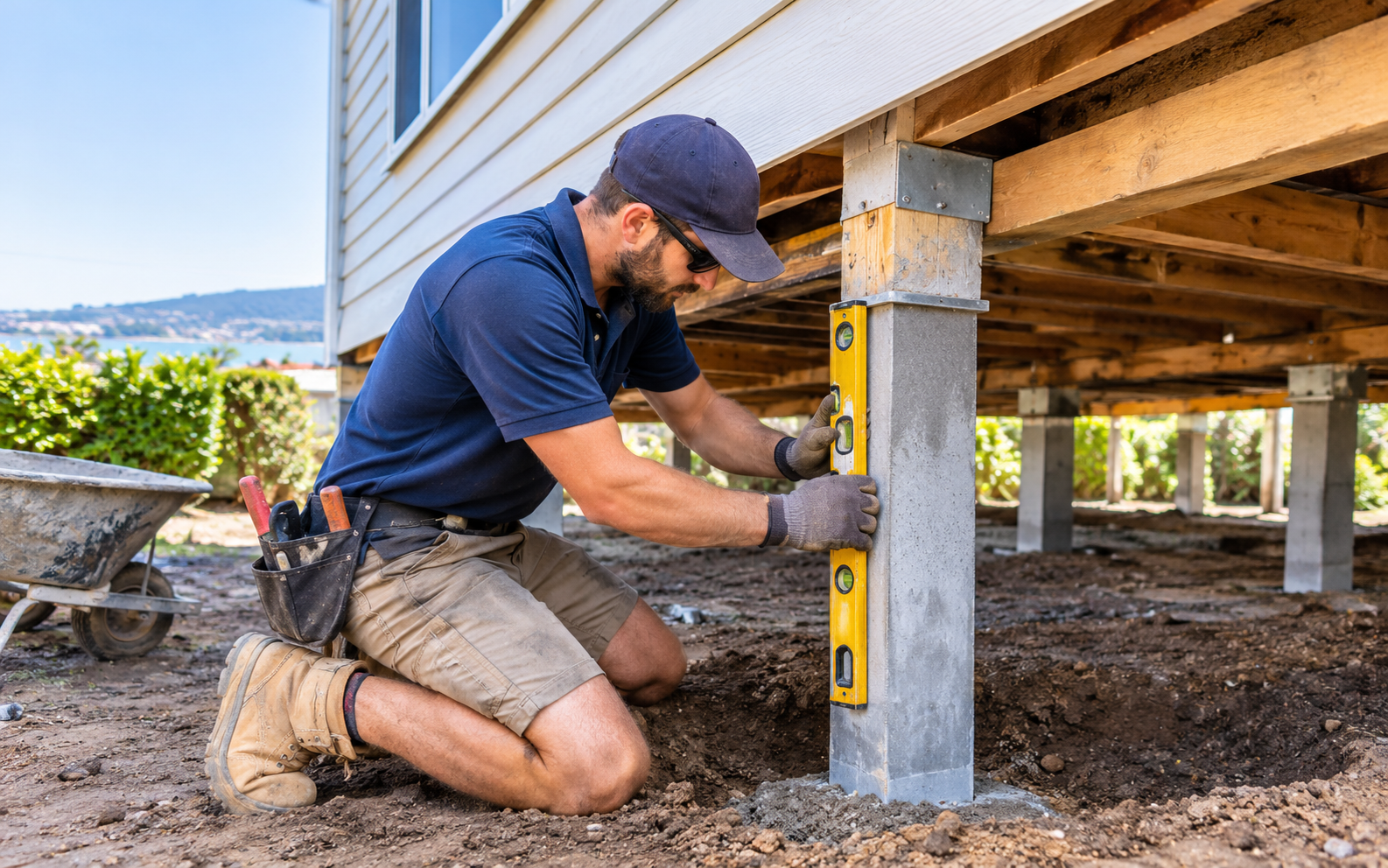
From free inspection to final level check, here's a realistic restumping timeline for Wollongong homes, and what actually affects how long it takes.
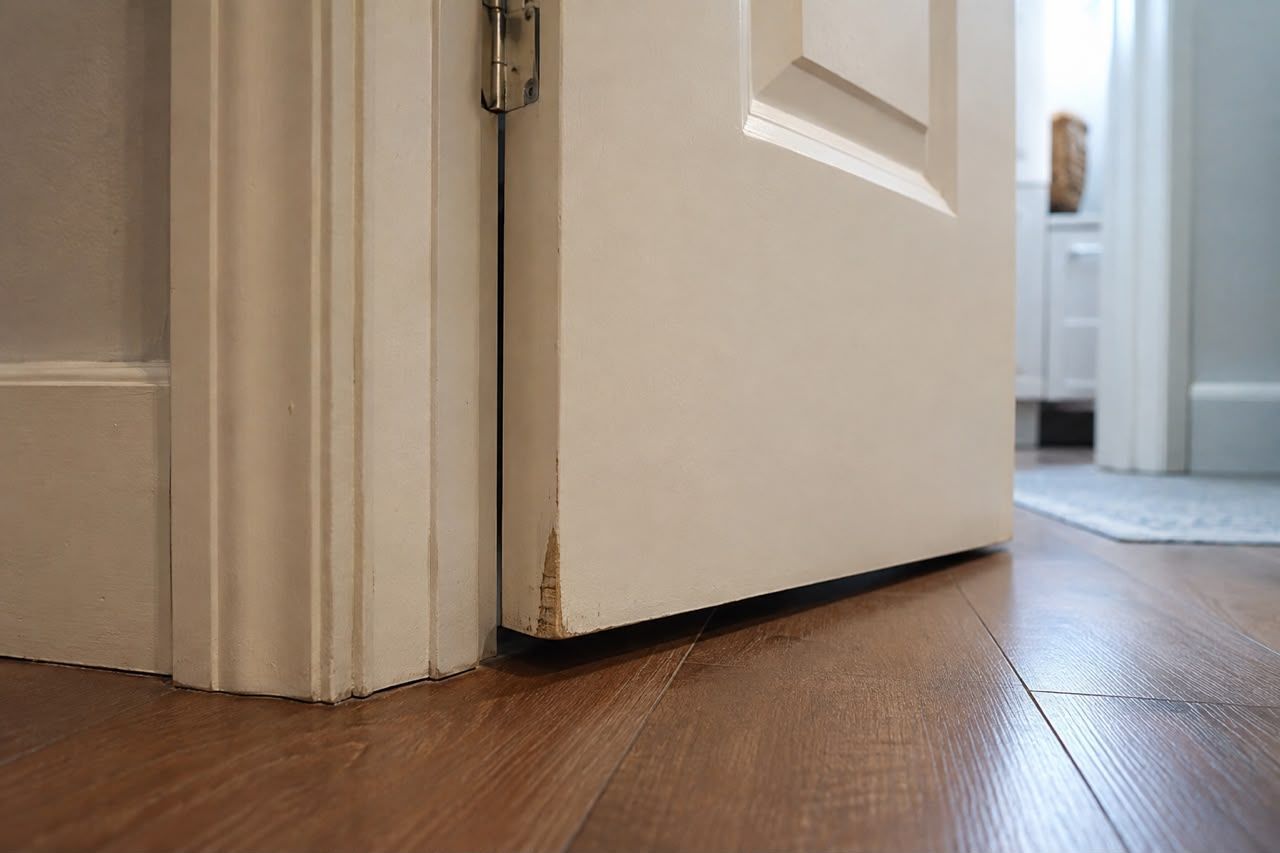
Learn why doors suddenly stop closing after foundation movement, from shifting floors to damaged stumps, and when your Wollongong home may need an assessment.
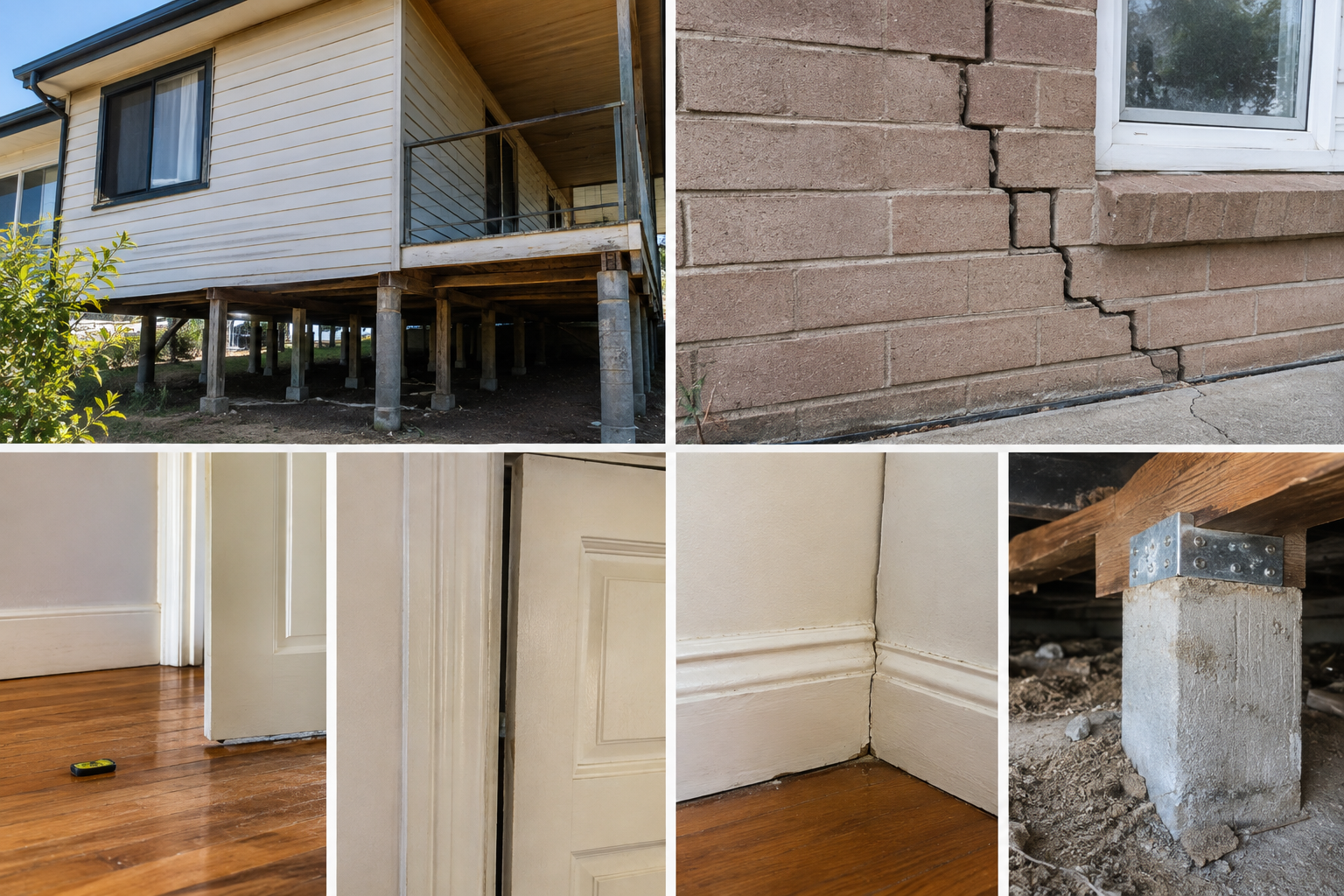
Sagging floors, sticking doors, cracked walls? Here's how to tell if your Wollongong home needs restumping, underpinning, or both.
Compare concrete vs steel stumps for Wollongong homes. Learn which option better suits coastal salt air, reactive clay soil, rainfall and your budget.
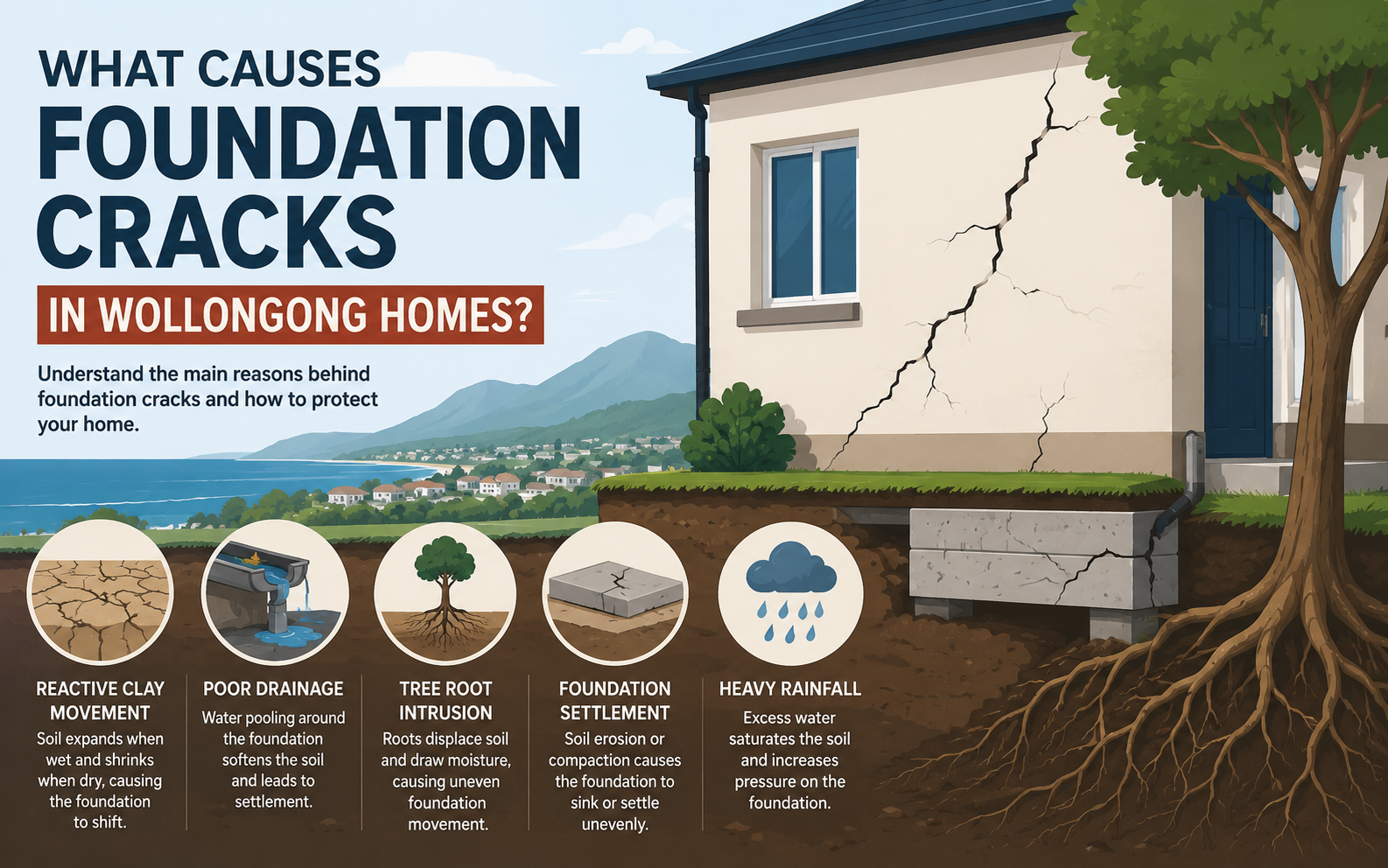
Foundation cracks in Wollongong homes are rarely random. Here's what's causing them, how to read the damage type, and when you need professional repair.
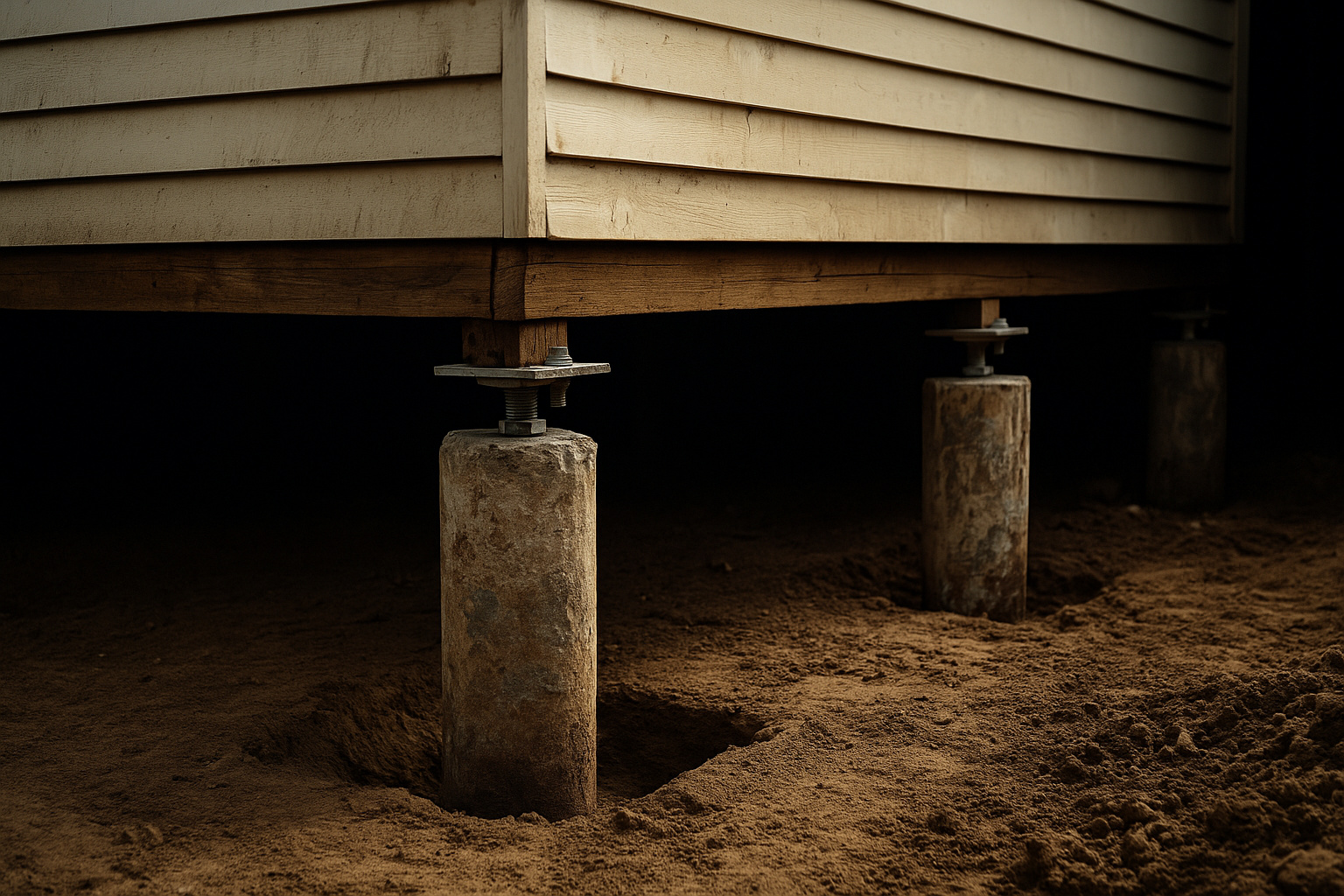
Early foundation repairs prevent structural damage, reduce costly future fixes, and help maintain property value by addressing issues before they worsen.
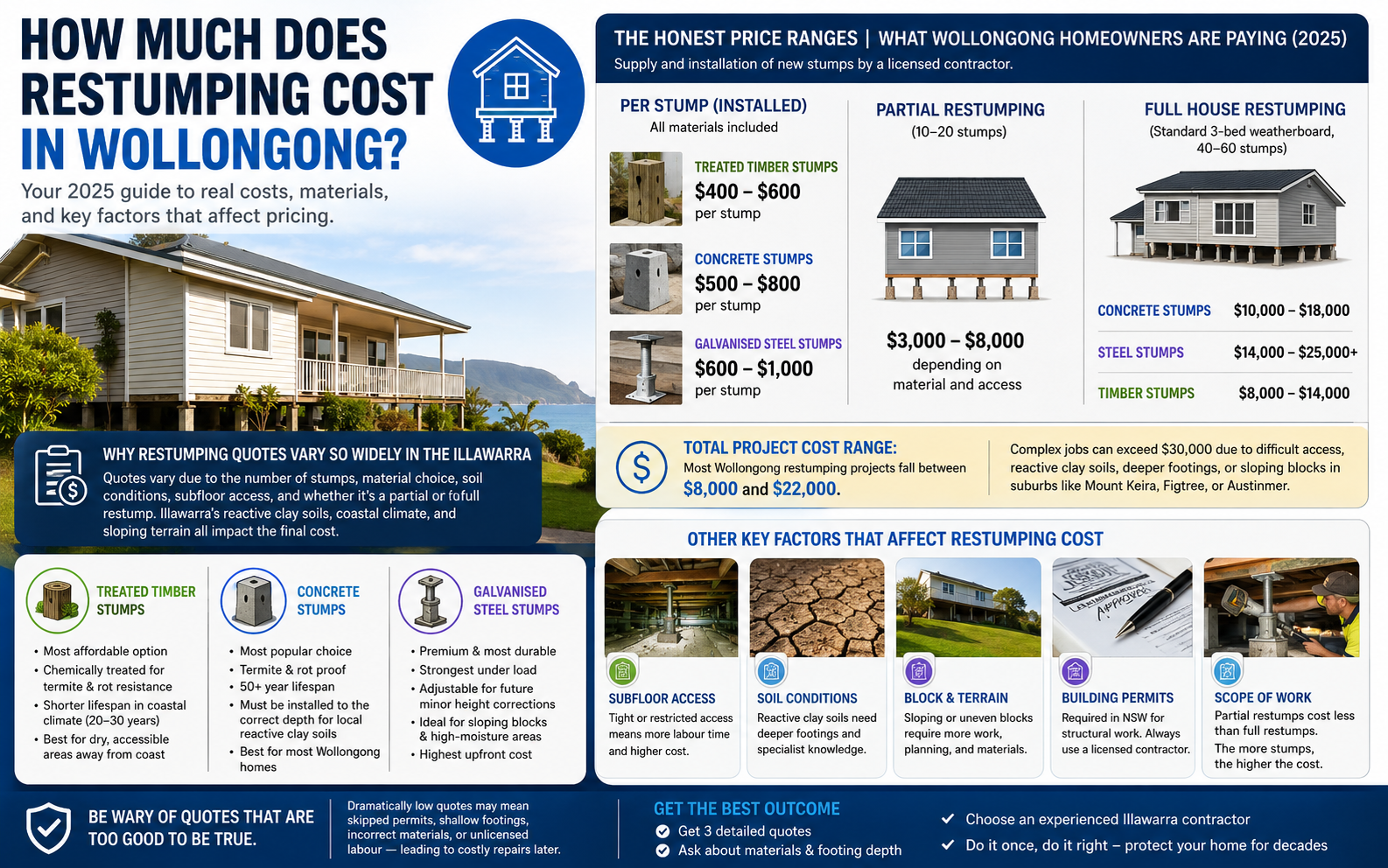
Get accurate restumping costs for Wollongong homes, including per stump pricing, material comparisons, permits, and Illawarra site factors.\

Learn when home insurance may cover restumping or foundation repairs, common exclusions, claim options, and what Wollongong homeowners need to know.
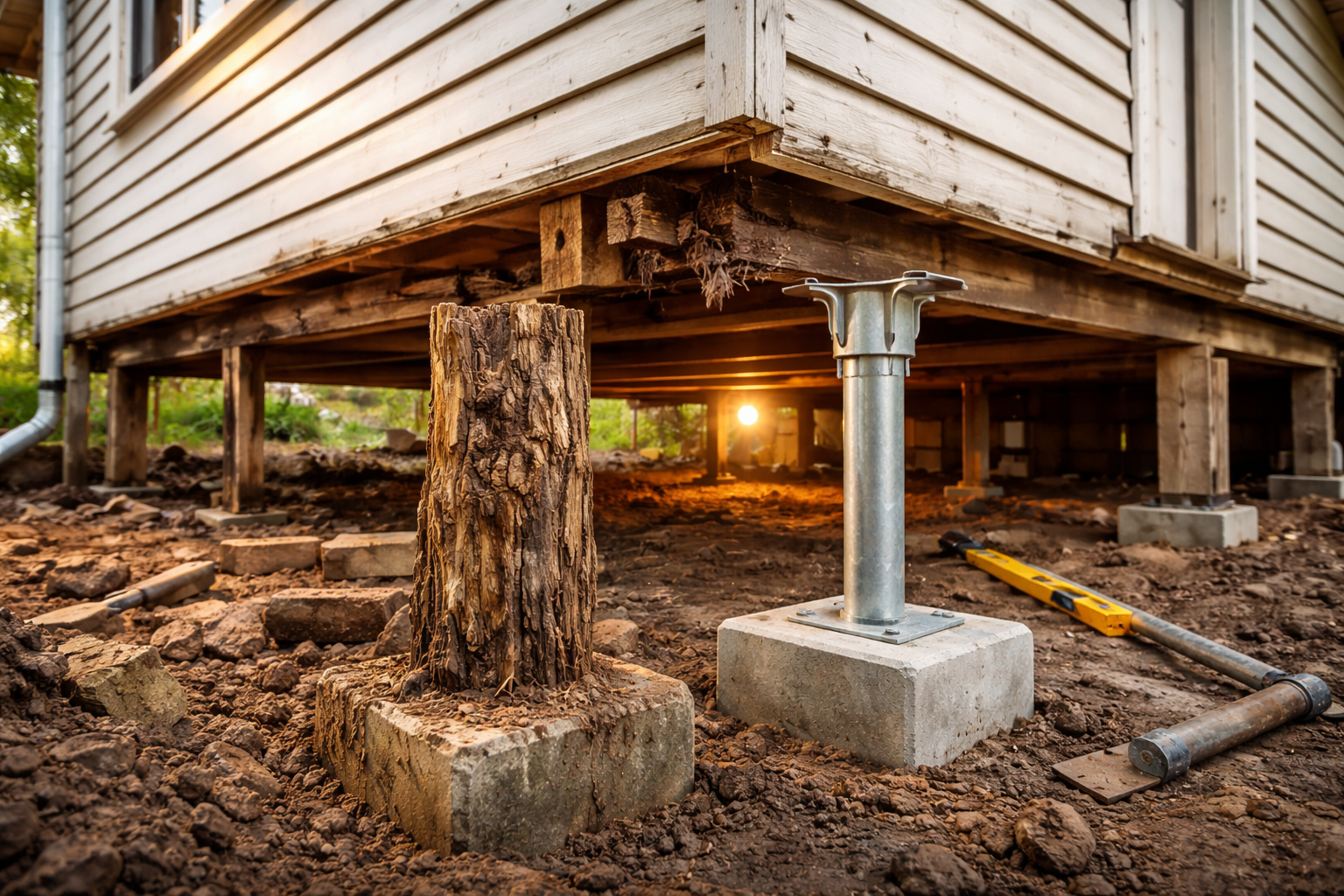
Learn the 7 warning signs your Wollongong home needs restumping. Discover how uneven floors, cracks, and sticking doors signal foundation issues.
Discover the top 7 common misconceptions about restumping, from costs to structural risks, and learn what homeowners really need to know before starting the process.