wollongongrestumping@gmail.com


Why Doors Suddenly Stop Closing Properly After Foundation Movement
Wollongong Restumping • September 4, 2026
A door that suddenly sticks, rubs against its frame or refuses to latch can seem like a simple carpentry problem. In some homes, however, these changes can indicate movement beneath the building. Foundation movement can alter the alignment of walls, floors and door frames, creating symptoms that become increasingly noticeable over time. Understanding the connection can help homeowners recognise a potential structural issue before it develops into more extensive damage.
How Foundation Movement Changes Door Alignment
A house relies on its foundation and supporting structure to distribute its weight consistently. When soil shifts, moisture conditions change, or supporting stumps deteriorate, sections of the building can settle or move at different rates. That movement does not necessarily happen evenly across the entire house. One part may remain relatively stable while another drops, rises or shifts slightly.
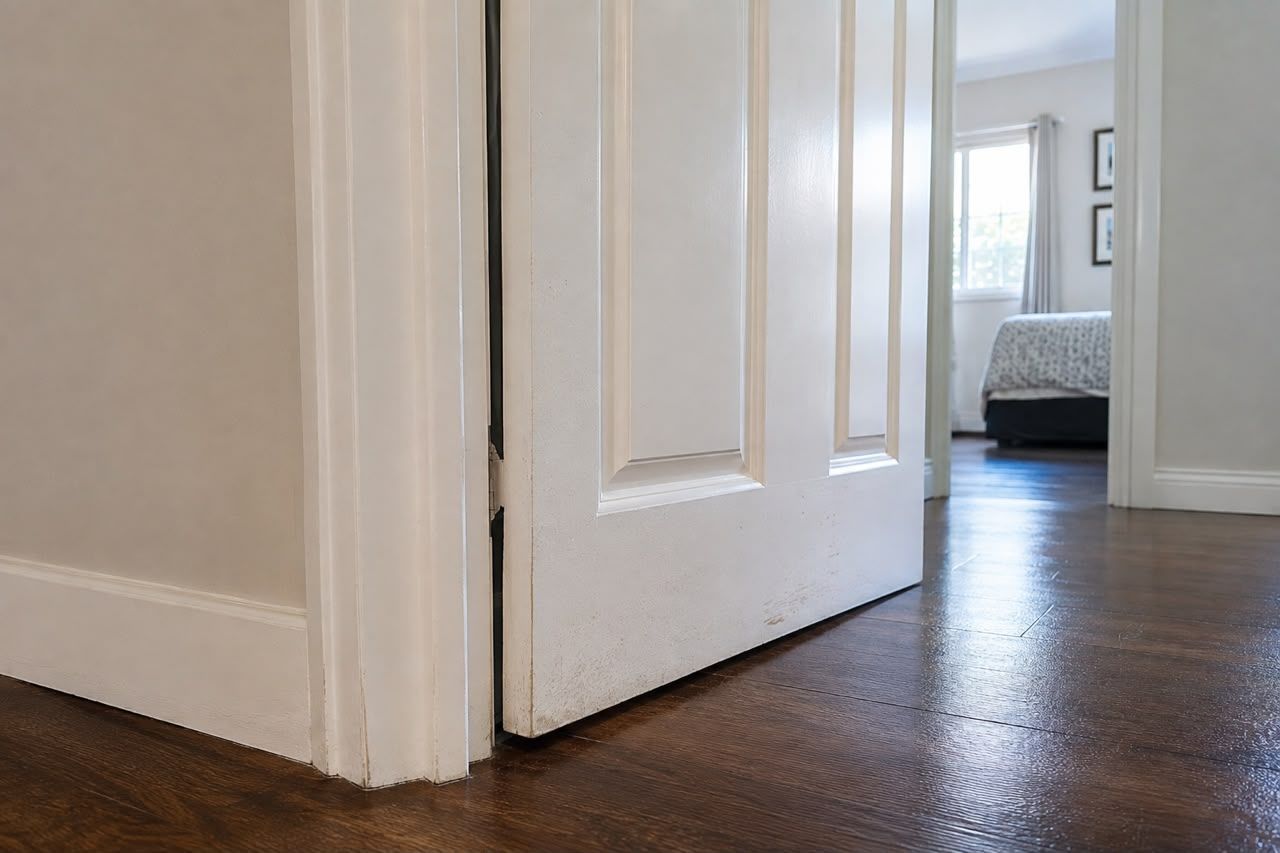
A door frame is fixed within the wall, so changes in the wall’s position can affect the opening around the door. If the frame becomes slightly out of square, the door may rub along one edge instead of moving freely. The latch may also stop lining up with the strike plate, making the handle harder to operate or preventing the door from closing completely.
Floor movement can create another form of misalignment. If one section of flooring sinks, the relationship between the floor, wall and frame changes. A door that previously had an even gap around its edges may begin to drag along the floor or appear tilted when viewed from the side.
These changes can develop gradually. A homeowner might first notice that a bedroom door needs an extra push, followed by a bathroom door that no longer latches properly. It can be tempting to shave the edge of the door or adjust the hinges, but doing so without investigating the cause may only disguise a symptom.
Wollongong Restumping identifies doors and windows that no longer close properly as a common warning sign associated with foundation problems. Its local information also notes that Wollongong’s diverse terrain, clay-rich soils, sandy deposits and rainfall can contribute to ground movement that places stress on foundations.
What Can Cause Foundation Movement Beneath a Wollongong Home?
Soil movement is one important factor. Some soils expand when they absorb moisture and contract as they dry, creating changes in the ground that can affect foundation support. Wollongong properties can encounter varied ground conditions, so the appropriate response depends on the individual site rather than a single solution for every house.
Water can also play a role. Poor drainage, changes in water retention or prolonged wet conditions can alter soil behaviour around foundations. In older properties, moisture can additionally contribute to deterioration of timber stumps. Where timber supports have been exposed to persistent dampness or pests, their ability to provide stable support can decline.
The age and construction of a property matter as well. Older houses may rely on timber stumps that have deteriorated through natural wear, moisture or termite activity. If one or more supports weaken, the load they carry may change, potentially contributing to uneven floors and movement through the structure.
The pattern of symptoms can provide useful information, although it cannot replace a professional assessment. A sticking door accompanied by sloping floors, cracks around windows, gaps near skirting boards or new wall cracks is more concerning than a door that simply needs a minor hinge adjustment. When several signs appear together, the possibility of movement beneath the home deserves closer attention.
Seasonal changes can also make existing movement more noticeable. A door may work normally for months before becoming difficult to close after a period of heavy rain or prolonged dry weather. This does not automatically prove that the foundation has moved, but a recurring pattern is worth documenting and discussing with a qualified professional.
Wollongong Restumping states that its foundation assessments consider signs such as cracked walls, uneven floors and shifting doors or windows. The company recommends site assessment and, where appropriate, soil testing to understand the conditions affecting foundation work.
When a Sticking Door Needs More Than a Quick Adjustment
Doors can stick for ordinary reasons, including swollen timber, loose hinges, damaged hardware or changes in the frame unrelated to foundation movement. A professional assessment helps separate these everyday problems from structural concerns. The key is to consider whether the door issue appeared alongside other changes in the property.
Homeowners can monitor the problem by noting which doors are affected and whether the difficulty changes over time. Photographing cracks or uneven gaps can also provide a useful record. Avoid making repeated structural alterations to doors or frames before the underlying issue has been investigated, particularly if several parts of the house are showing changes.
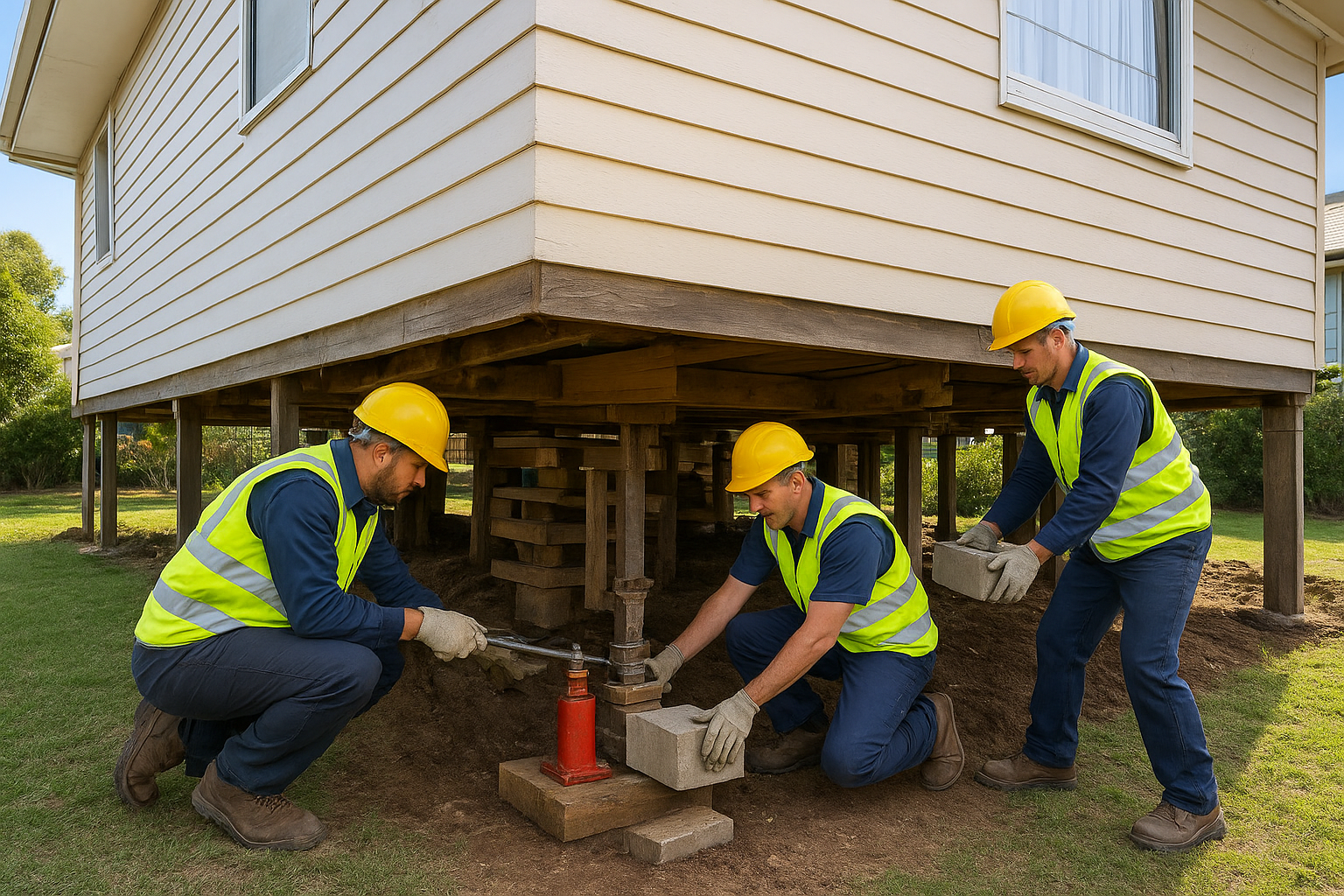
If deteriorated stumps are contributing to movement, restumping or reblocking may be considered. Wollongong Restumping describes restumping as replacing old or degraded supporting stumps with durable new supports, with the goal of restoring stability and level. The company’s process includes an initial inspection, removal of old stumps, installation of suitable replacements and final checks of floors, walls and doors.
Restumping is not automatically the answer to every foundation problem. Where the issue involves weak or unstable foundations caused by soil movement or other structural conditions, underpinning may be more appropriate. Wollongong Restumping provides underpinning as a foundation stabilisation service and describes methods designed to strengthen or reinforce existing foundations.
Floor relevelling may also be relevant when movement has left floors uneven or sloping. The objective is not simply to make a door close again, but to address the underlying structural condition that is affecting the home’s alignment. The correct method should therefore be selected after the property and its foundation conditions have been assessed.
Professional attention is especially worthwhile when multiple symptoms are appearing or worsening. A door that sticks by itself may need nothing more than a repair, while several misaligned doors combined with sloping floors and wall cracks can indicate a broader problem. Early assessment can help identify the cause and clarify which repair, if any, is appropriate.
For Wollongong homeowners, local conditions are another reason to avoid assumptions. Wollongong Restumping services homes throughout the Illawarra, including Wollongong, Dapto, Corrimal, Woonona, Thirroul, Shellharbour, Kiama, Fairy Meadow and surrounding areas. The company offers restumping, underpinning, floor relevelling and slab jacking, with free on-site assessments and a stated 10-year workmanship warranty.
Conclusion
A door that suddenly stops closing properly can be a small inconvenience, but it can also reflect changes occurring beneath the house. Foundation movement may alter the alignment of walls, floors and door frames, particularly when soil conditions change or supporting stumps deteriorate. When sticking doors appear alongside sloping floors, wall cracks, gaps or other alignment changes, homeowners should look beyond the door itself and consider whether the foundation needs assessment.
The practical response is not to assume that every sticking door requires restumping, nor to ignore a pattern of structural warning signs. A professional inspection can help determine whether the cause is a simple hardware issue, deteriorated stumps, uneven support or a deeper foundation problem. Addressing the underlying cause rather than repeatedly adjusting doors can help protect the home’s stability and prevent a manageable concern from becoming a more extensive repair.
About Wollongong Restumping
Wollongong Restumping is a family-owned and operated foundation repair business serving residential and commercial properties across Wollongong and the wider Illawarra region. With more than 20 years of experience, the company specialises in restumping and reblocking, house underpinning, floor relevelling and concrete slab jacking, providing tailored solutions for homes affected by deteriorated supports, uneven floors, soil movement and foundation instability. Its service area includes Wollongong and suburbs and communities such as Dapto, Corrimal, Woonona, Thirroul, Shellharbour, Kiama and Fairy Meadow. The company offers free on-site assessments, transparent quotes, licensed and insured workmanship, and a stated 10-year warranty, giving homeowners a practical way to investigate foundation concerns and plan appropriate repairs.
Ready to work with Wollongong Restumping?
Let's connect! We’re here to help.
Send us a message and we’ll be in touch.
Or give us a call today at 0242026325
Agency Contact Form
More Marketing Tips, Tricks & Tools
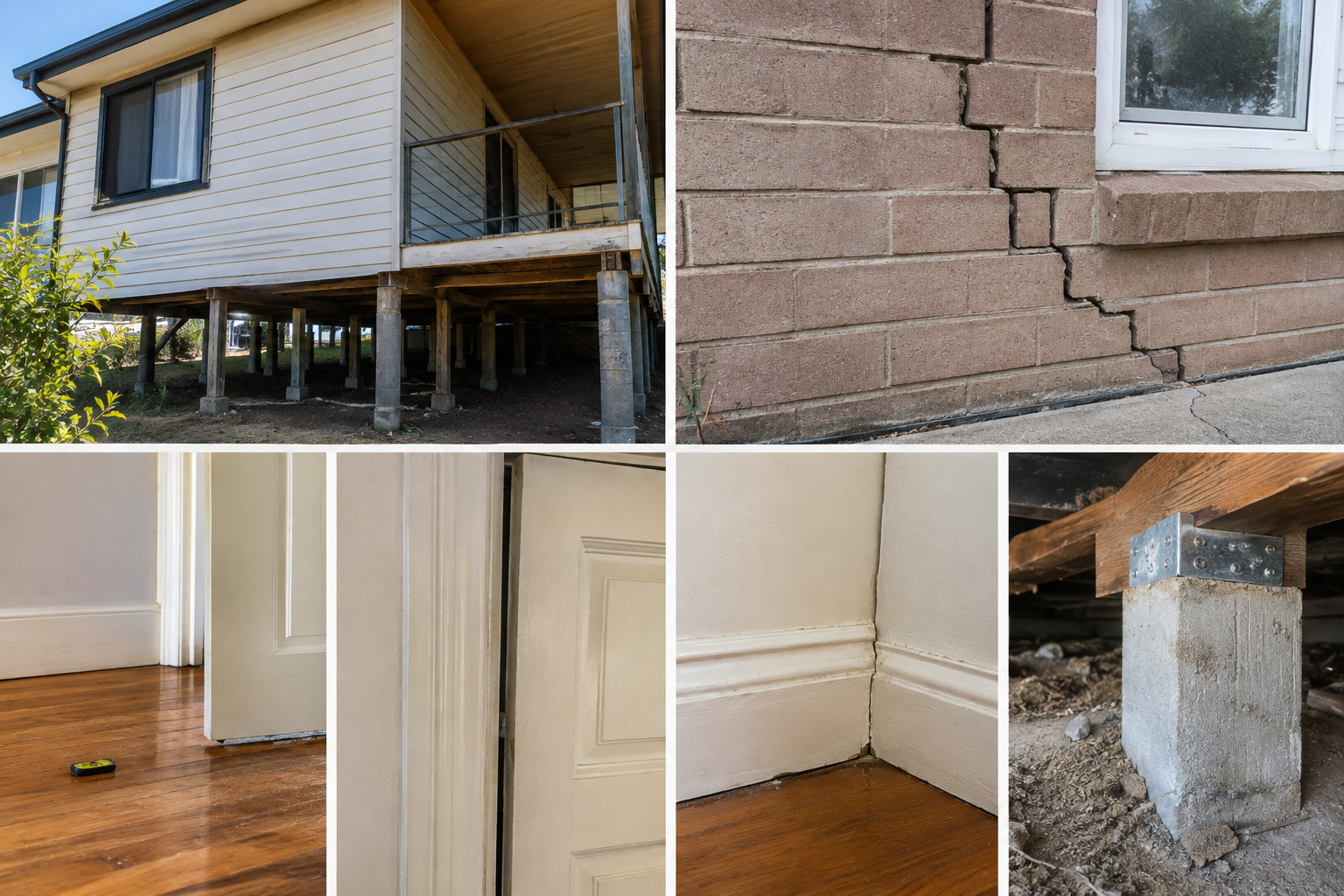
Sagging floors, sticking doors, cracked walls? Here's how to tell if your Wollongong home needs restumping, underpinning, or both.
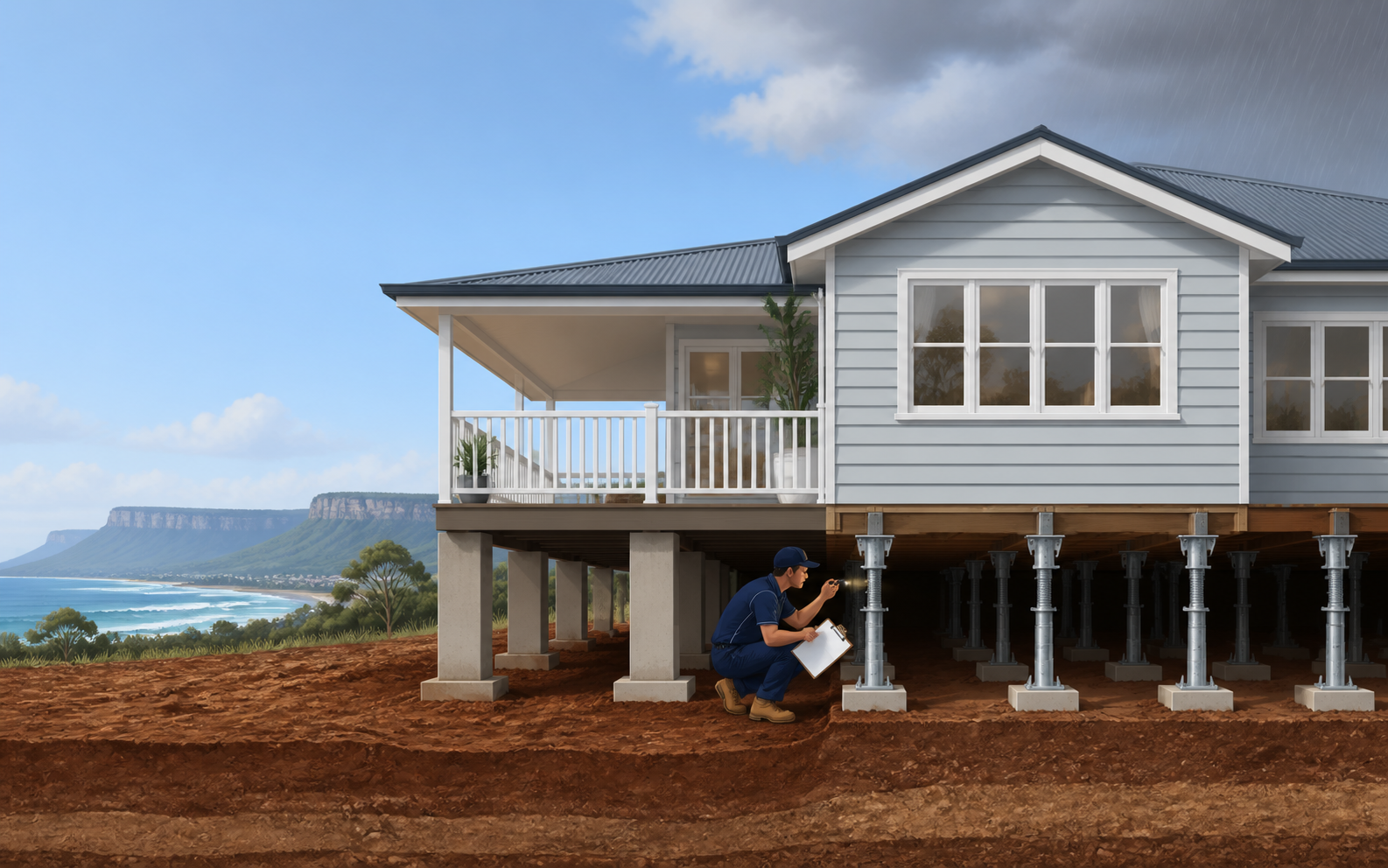
Compare concrete vs steel stumps for Wollongong homes. Learn which option better suits coastal salt air, reactive clay soil, rainfall and your budget.
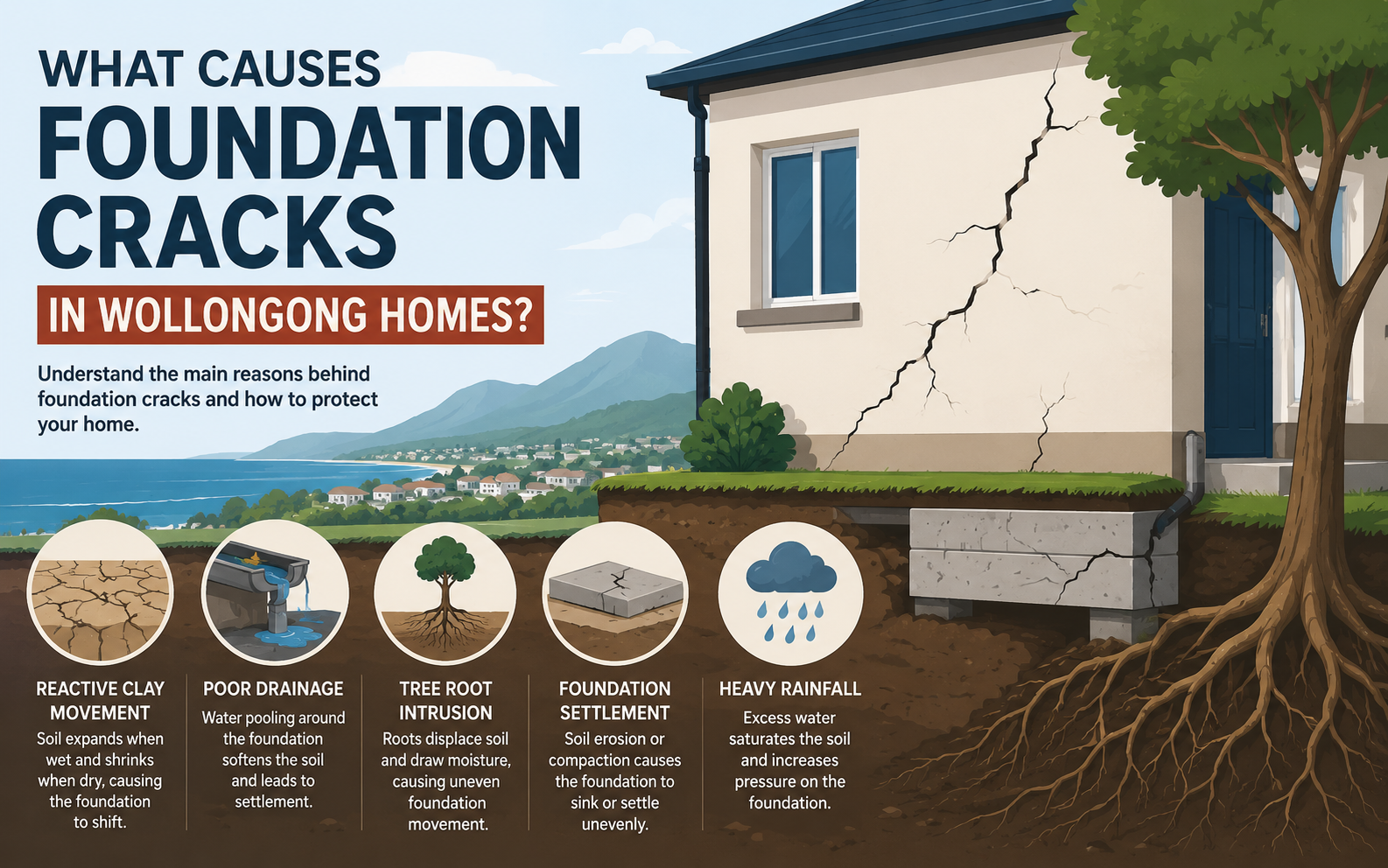
Foundation cracks in Wollongong homes are rarely random. Here's what's causing them, how to read the damage type, and when you need professional repair.
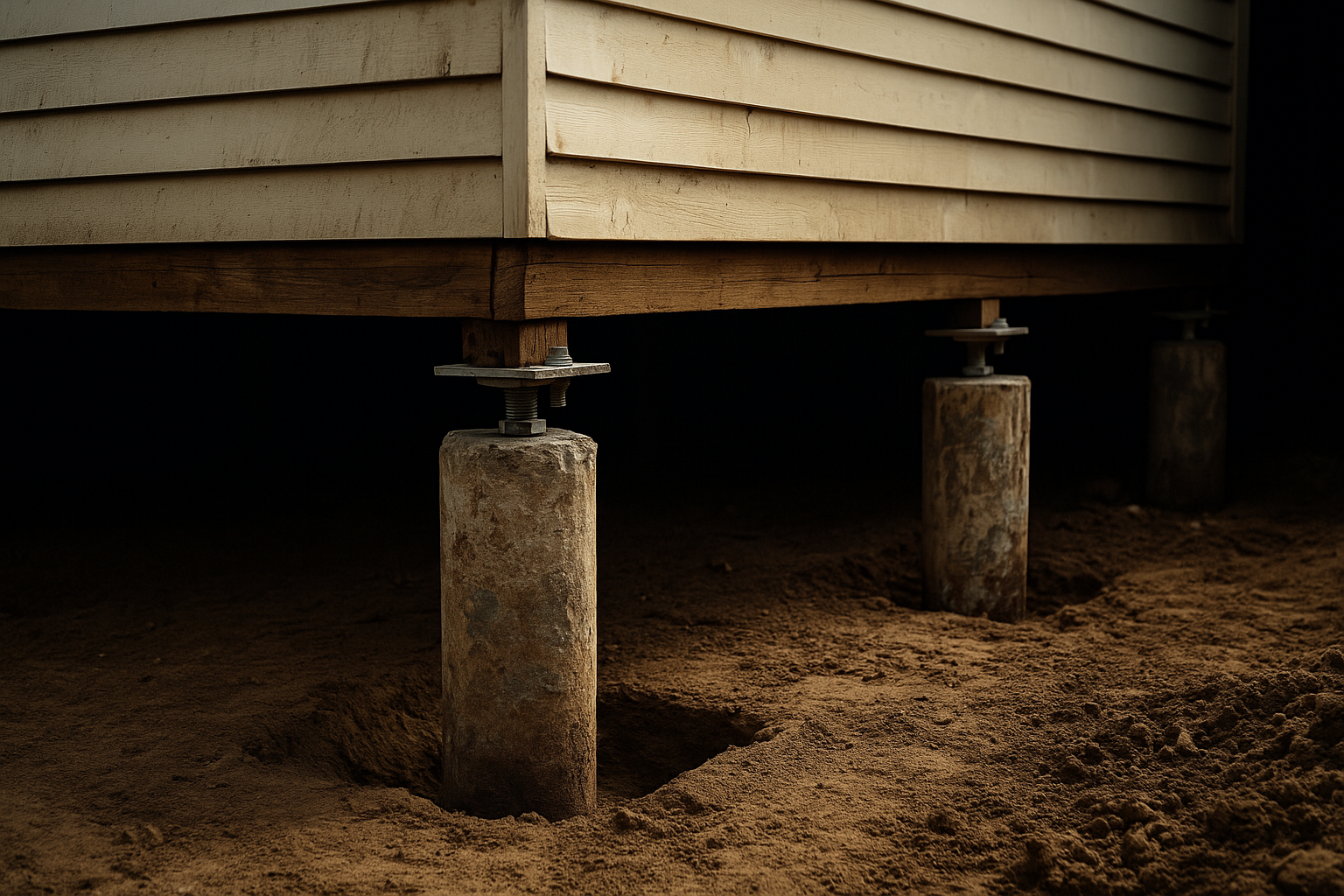
Early foundation repairs prevent structural damage, reduce costly future fixes, and help maintain property value by addressing issues before they worsen.
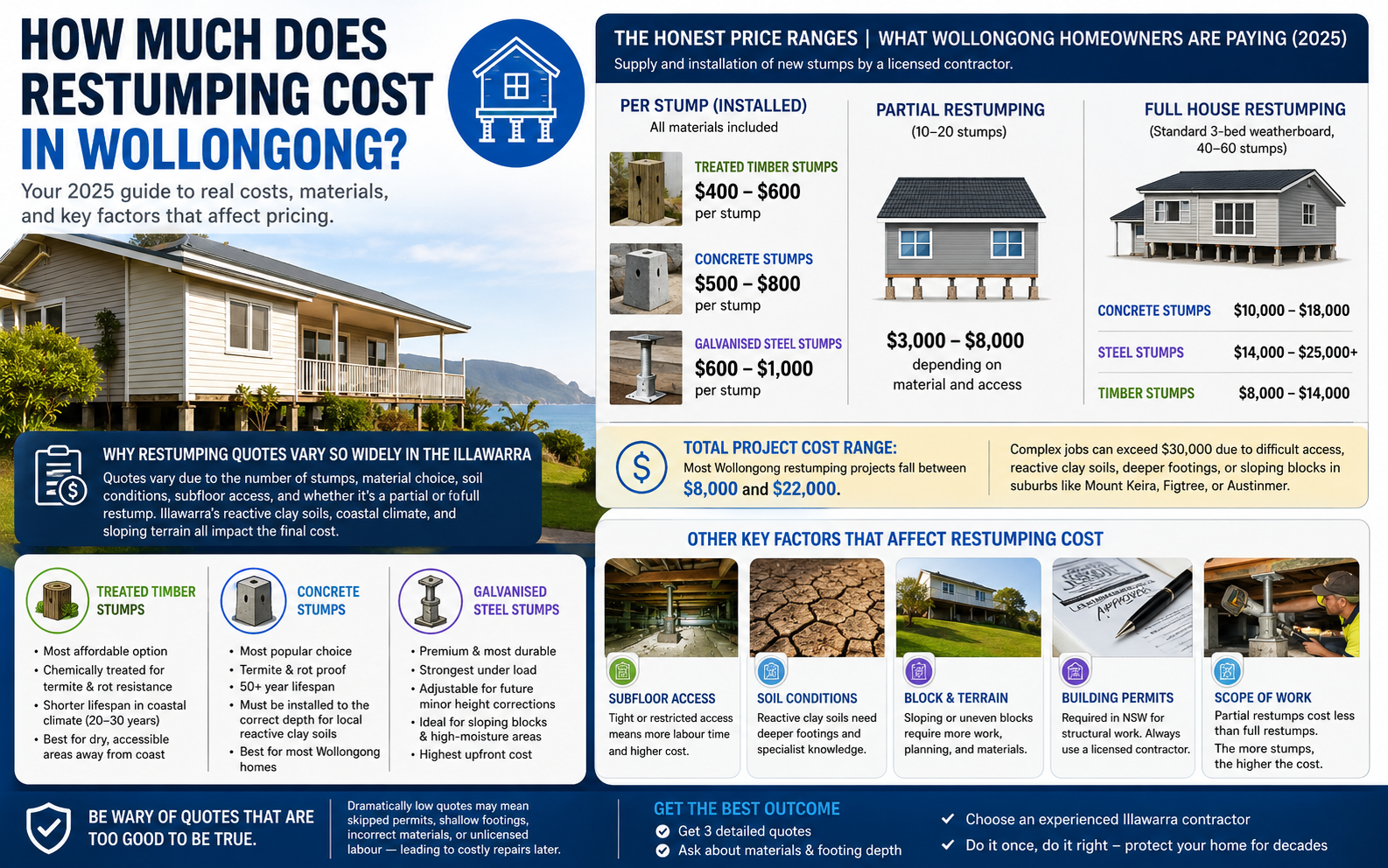
Get accurate restumping costs for Wollongong homes, including per stump pricing, material comparisons, permits, and Illawarra site factors.\

Learn when home insurance may cover restumping or foundation repairs, common exclusions, claim options, and what Wollongong homeowners need to know.
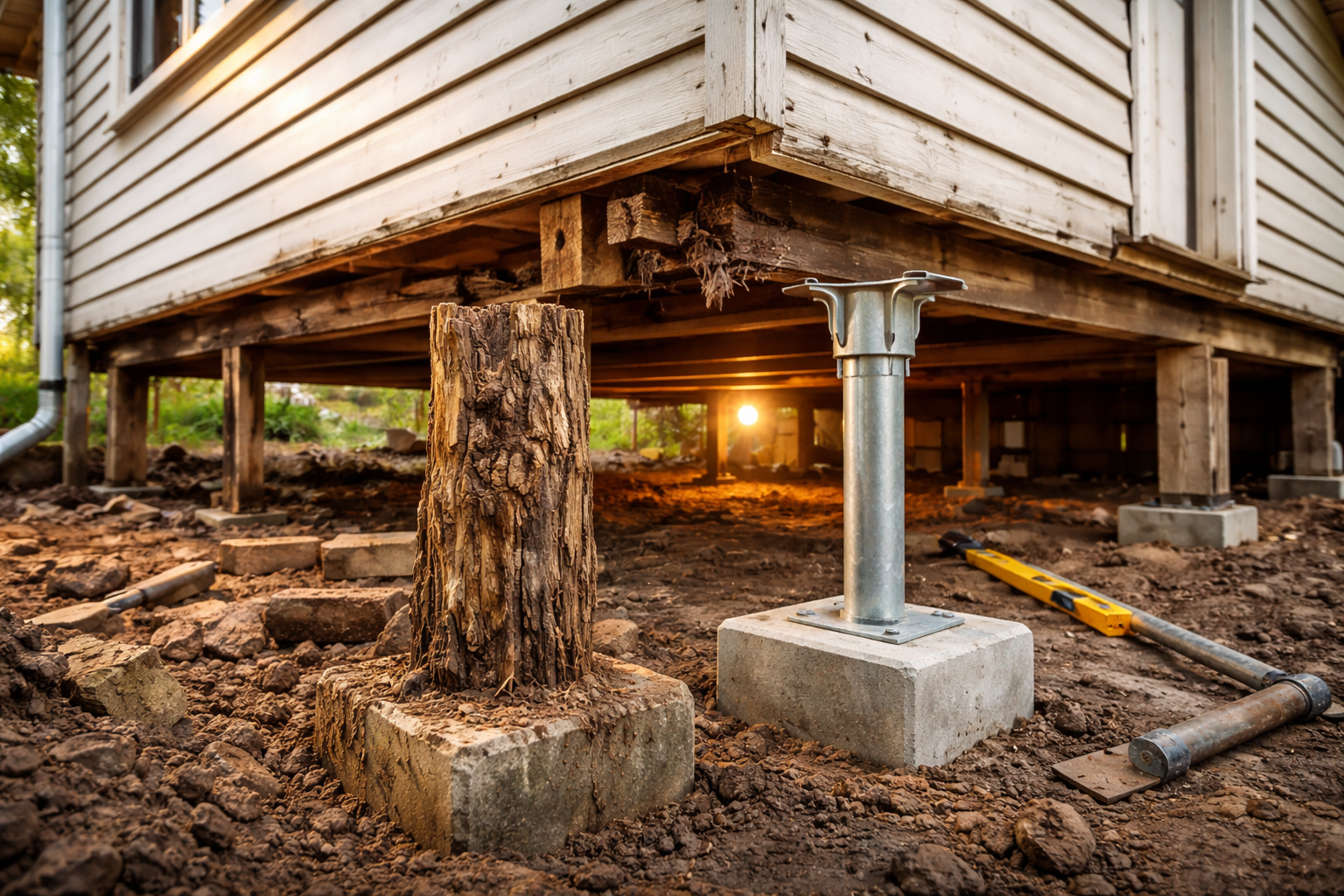
Learn the 7 warning signs your Wollongong home needs restumping. Discover how uneven floors, cracks, and sticking doors signal foundation issues.
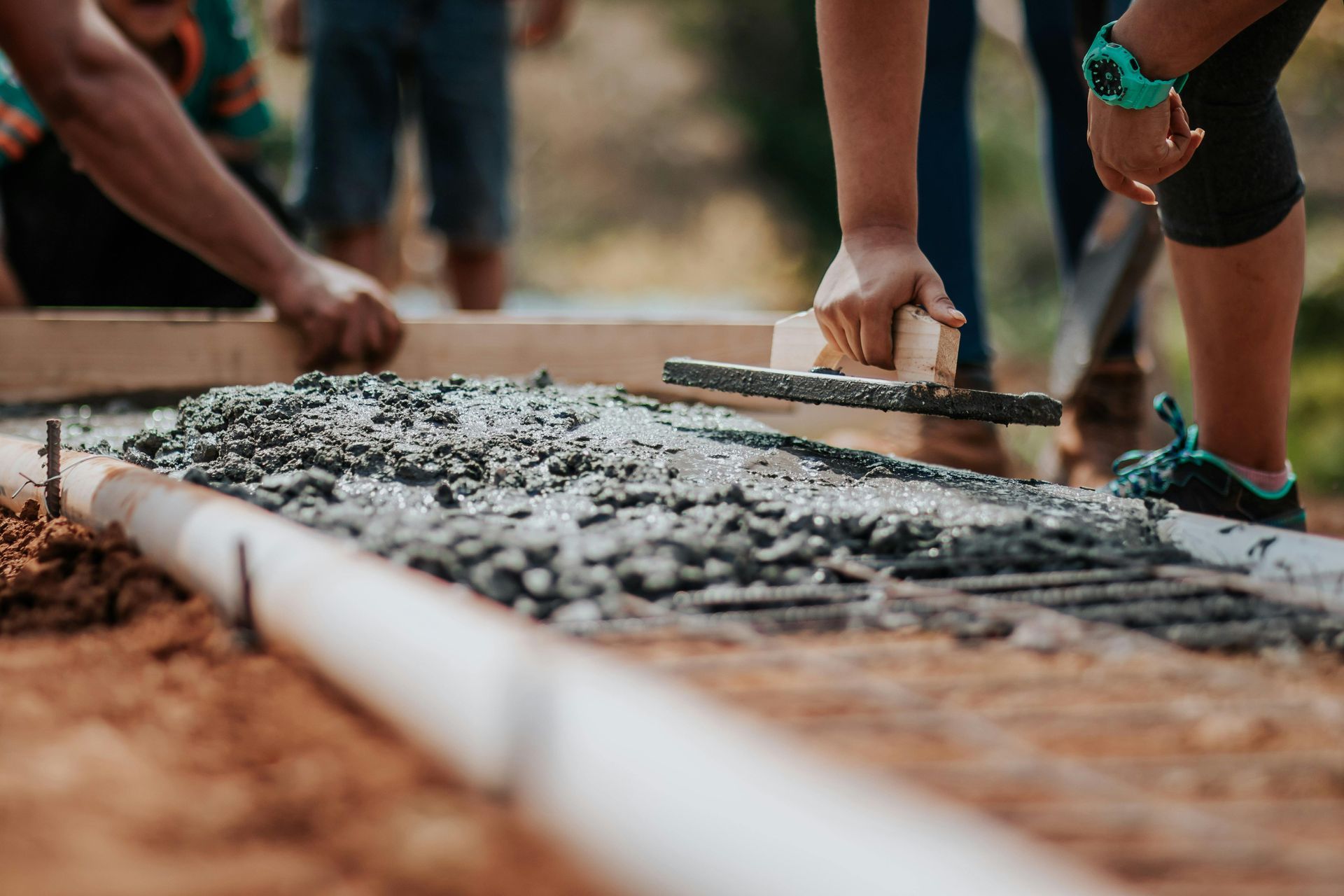
Discover the top 7 common misconceptions about restumping, from costs to structural risks, and learn what homeowners really need to know before starting the process.
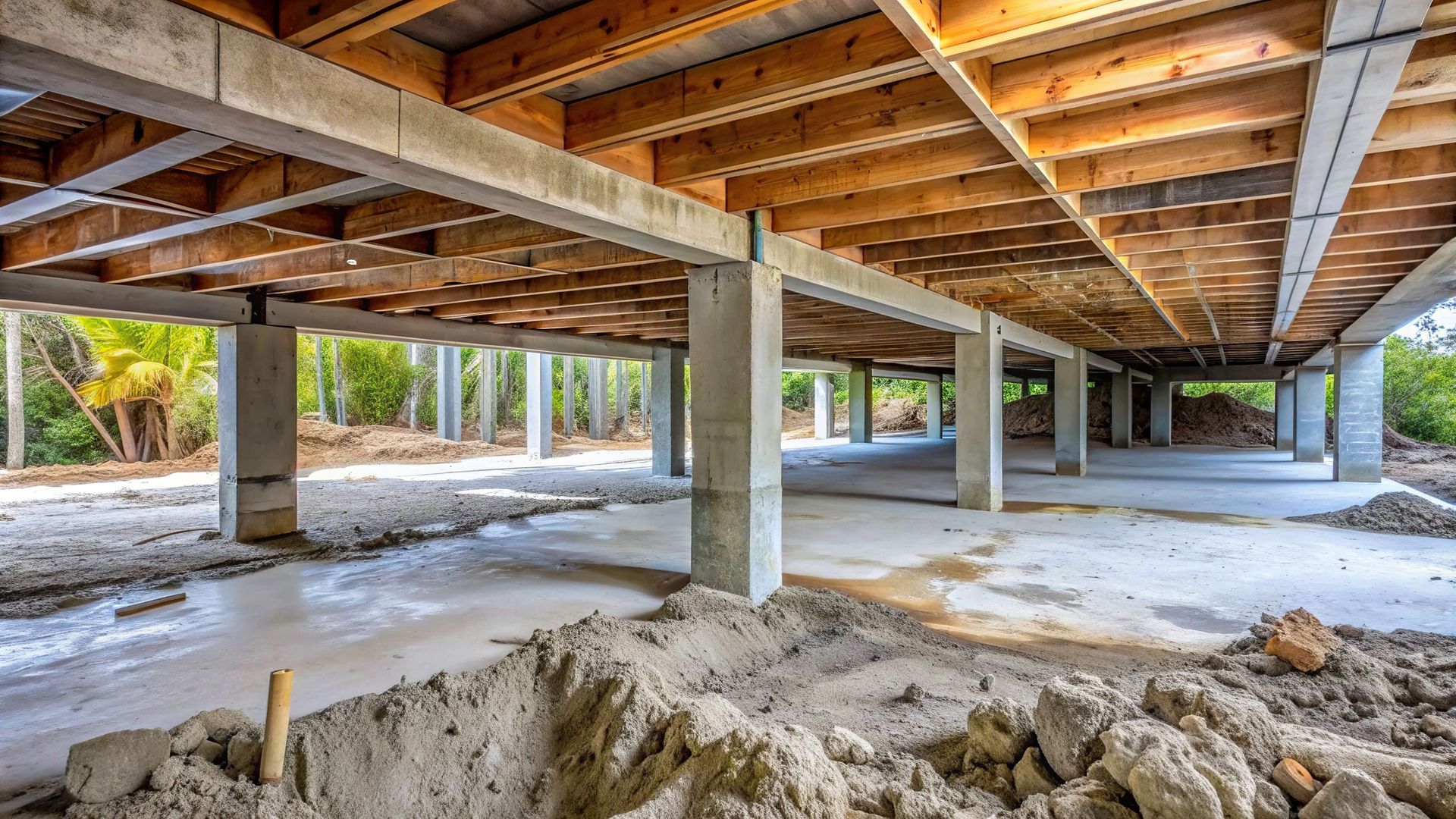
Compare steel and concrete stumps to determine the best option for coastal homes. Explore their durability, resistance to corrosion, and overall suitability.
From road debris to sudden temperature changes, learn the 5 leading causes of rear window damage in Australia and how to avoid expensive repairs.