
wollongongrestumping@gmail.com


How Do You Know If Your House Needs Restumping or Underpinning?
Rao Hasnain • August 31, 2026
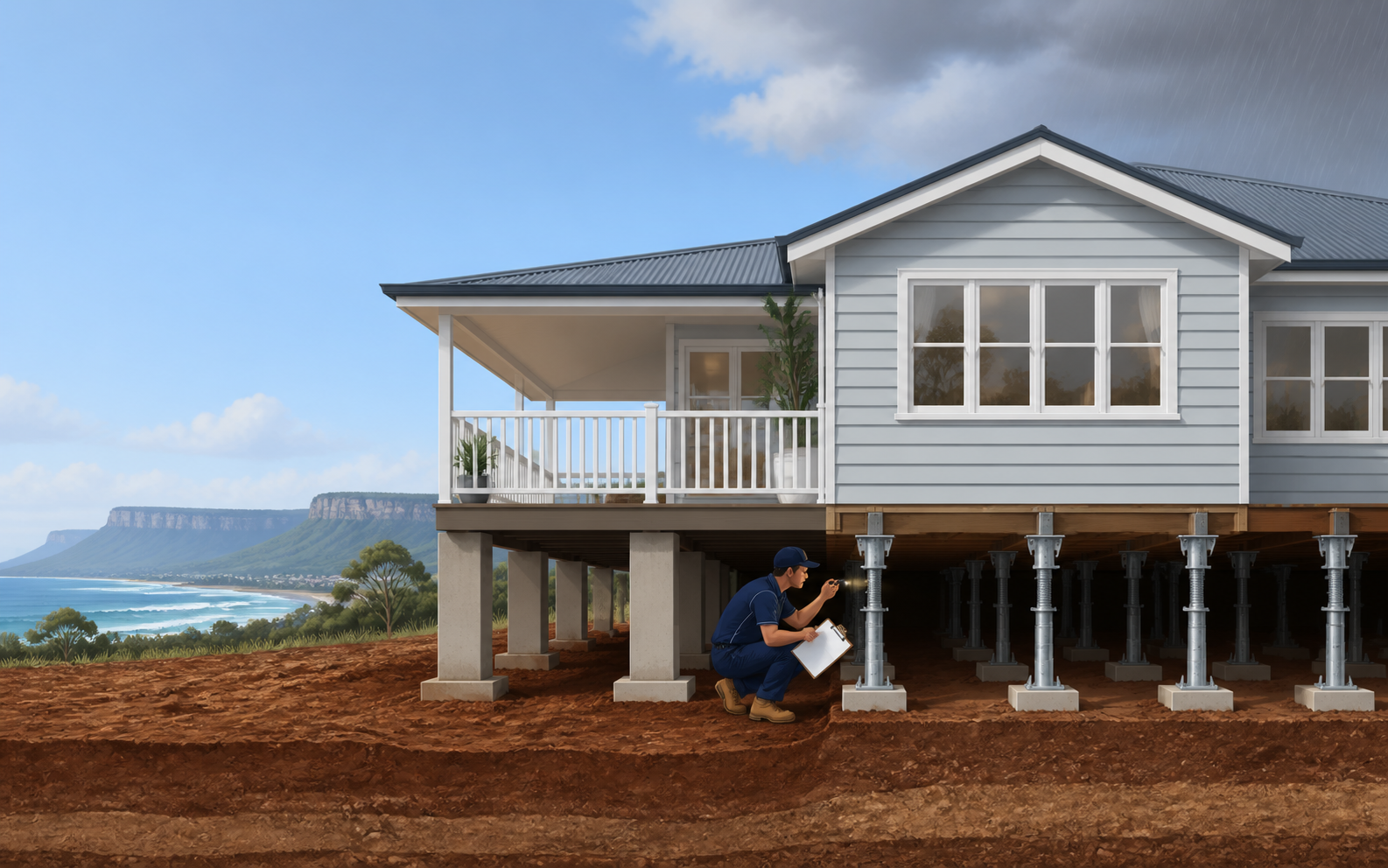
If your home sits on timber stumps and you're seeing sloping floors, sticking doors, or visible gaps around skirting boards, that's usually a restumping issue. If your home is on a concrete slab and you're seeing cracked brickwork, stepped cracks in mortar lines, or cracks in the slab itself, that points toward underpinning. Some homes, particularly older properties that have been extended or partially rebuilt, show signs of both and need each area assessed separately.
Restumping vs Underpinning, What's the Difference?
These two terms get used interchangeably by homeowners, but they solve different structural problems.
Restumping replaces the timber, concrete, or steel stumps that support a raised timber floor. It applies to the classic Australian elevated home, common throughout older parts of Wollongong and the Illawarra, where the floor sits above the ground on a series of individual stumps rather than directly on a slab.
Underpinning strengthens the footings under a home, typically one built on a concrete slab or with shallow existing footings. Rather than replacing individual stumps, underpinning extends or widens the footing itself, usually by digging down to more stable ground, so the existing foundation gains additional support from below.
The confusion is understandable because both are triggered by the same underlying problem: the ground moving under your home. Which fix applies comes down to how your house is built, not how it's moving.
Signs Your House May Need Restumping
These signs are most relevant if your home has a raised timber floor on stumps, which describes a large share of older housing stock across the Illawarra.
- Sloping, bouncy, or uneven floors, particularly noticeable when you roll something round across the room and it drifts toward one side
- Doors or windows that stick, or no longer close flush against their frames
- Visible gaps opening up between walls, floors, or skirting boards
- A noticeable tilt when standing in one part of the house compared to another
- Damp, musty smells from under the house, often a sign of moisture reaching the stumps
- Visibly rotted, cracked, or termite-damaged stumps, if you can get under the house to check
- A home that's never been restumped, especially one built before the 1970s on its original timber stumps
Restumping issues tend to be localised to one area first, near a leaking downpipe, a low corner of the block, or wherever drainage is worst, before spreading if left unaddressed.
Signs Your House May Need Underpinning
These signs are more relevant for homes on a concrete slab, or homes with shallow or ageing footings.
- Cracks in external brickwork, especially diagonal, stepped cracks that follow the mortar lines
- Cracks in the concrete slab itself, particularly if they're widening over time
- Doors and windows misaligning in a home that sits on a slab rather than raised stumps
- Gaps appearing between the slab and external walls or paving
- Visible movement or cracking around window and door frames
- A slab that feels uneven or sloped underfoot in different rooms
Underpinning signs tend to show up more gradually and are closely tied to soil movement, especially the reactive clay found across much of the Illawarra, which expands when wet and contracts when dry, placing ongoing stress on shallow footings.
Restumping vs Underpinning Signs at a Glance
| Sign | More Likely Restumping | More Likely Underpinning |
|---|---|---|
| House type | Raised timber floor on stumps | Concrete slab or shallow footings |
| Floor movement | Sloping, bouncy floors | Slab feels uneven, but doesn't bounce |
| Wall cracking | Less common unless severe | Stepped, diagonal cracks common |
| Door and window issues | Sticking, misaligned frames | Misaligned frames, gaps at slab edge |
| Underlying cause | Rotted, termite-damaged, or ageing stumps | Reactive clay, shallow footings, moisture |
| Typical trigger point | Poor drainage, ageing timber, moisture under the house | Soil expansion and contraction, poor original footing depth |
Can a House Need Both?
Yes, and it's more common than most homeowners expect, particularly on older Wollongong properties that have been extended over time. A house that started as a small raised timber cottage and later had a slab-on-ground extension added can genuinely need restumping under the original section and underpinning under the newer one. Reactive clay doesn't care where the boundary between the two sits, it puts pressure on whatever foundation type is above it.
This is exactly why a proper assessment looks at each part of the house separately rather than assuming one fix applies everywhere.
What Happens If You Ignore the Signs?
Foundation movement doesn't resolve itself, and in most cases it gets more expensive to fix the longer it's left.
- Small, localised settlement can spread into wider structural movement
- Hairline cracks can widen into major structural cracks in load-bearing walls
- Sticking doors and windows are often an early warning, not the main event
- Water ingress from cracks or gaps can accelerate soil movement and timber rot
- What starts as a partial restump or minor underpinning job can become a full structural intervention if left for years
Catching movement early is almost always the difference between a contained, affordable repair and a much larger project.
What To Do If You're Seeing These Signs
A visual checklist is a useful starting point, but it isn't a diagnosis. The same symptom, a sloping floor or a cracked wall, can point to different causes depending on your soil, drainage, house age, and construction type. The only reliable way to know whether you need restumping, underpinning, or a combination of both is a proper on-site inspection, ideally one that includes a look at your subfloor or footings directly rather than a guess from the outside.
Frequently Askes Questions
Is restumping cheaper than underpinning?
Generally, yes, restumping tends to cost less than underpinning on a like-for-like basis, since it typically involves replacing existing stumps rather than extending footings into deeper ground. Exact costs depend heavily on the scope, access, and number of stumps or footings involved.
Can I restump part of my house and underpin another part?
Yes. This is common in homes that have been extended or partially rebuilt over time, where different sections of the house have different foundation types.
How urgent is it once I notice sticking doors or sloping floors?
It's worth booking an inspection as soon as you notice these signs rather than waiting. Early-stage movement is usually cheaper and less disruptive to fix than movement that's been left to progress for years.
Do reactive clay soils in the Illawarra make this worse?
Yes. Clay-heavy soils common across much of the Illawarra expand when wet and contract when dry, which places ongoing stress on both stumps and shallow footings, making early intervention particularly valuable in this region.
Will insurance cover restumping or underpinning?
This depends on your policy and the cause of the movement. Gradual wear and soil movement are often excluded, while sudden events may be covered differently. It's worth checking your specific policy or asking during your inspection.
Ready to work with Wollongong Restumping?
Let's connect! We’re here to help.
Send us a message and we’ll be in touch.
Or give us a call today at 0242026325
Agency Contact Form
More Marketing Tips, Tricks & Tools
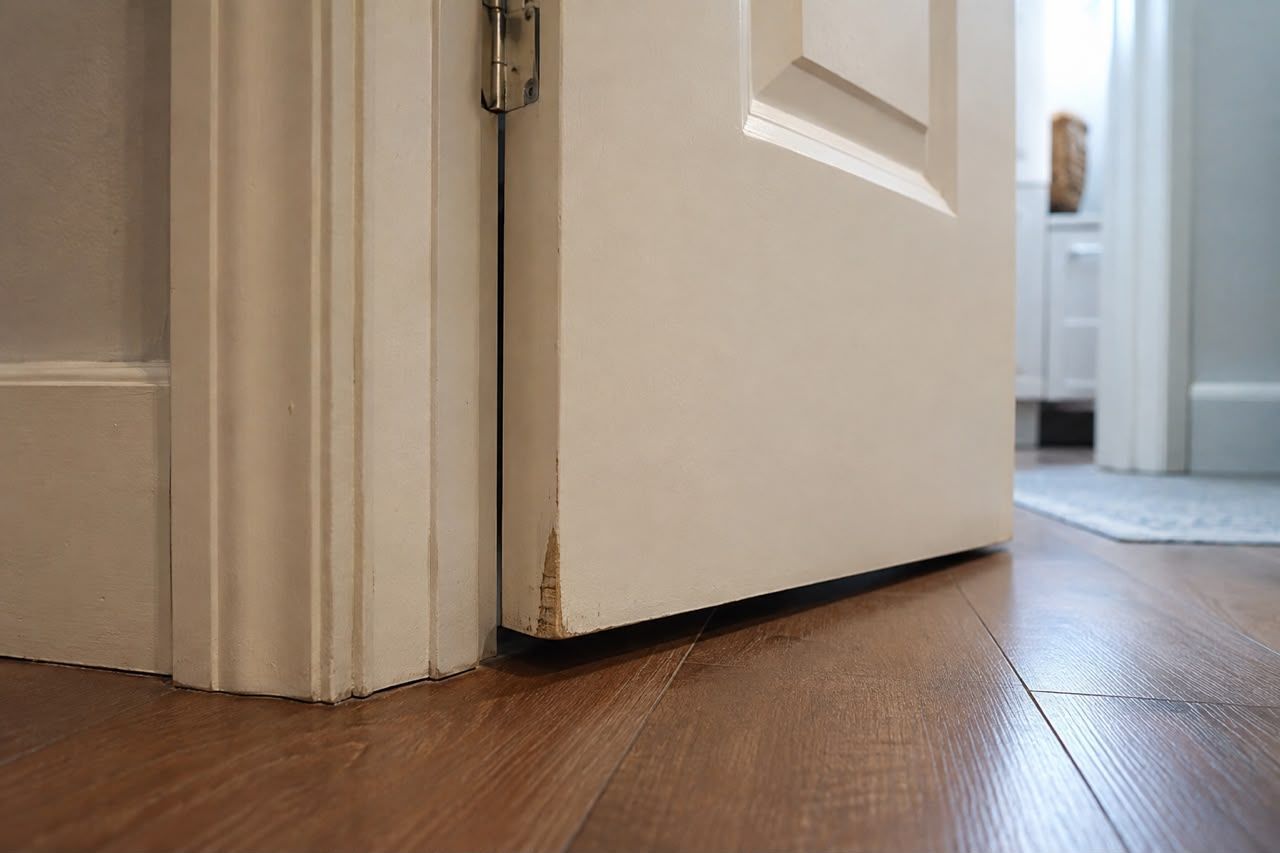
Learn why doors suddenly stop closing after foundation movement, from shifting floors to damaged stumps, and when your Wollongong home may need an assessment.
Compare concrete vs steel stumps for Wollongong homes. Learn which option better suits coastal salt air, reactive clay soil, rainfall and your budget.
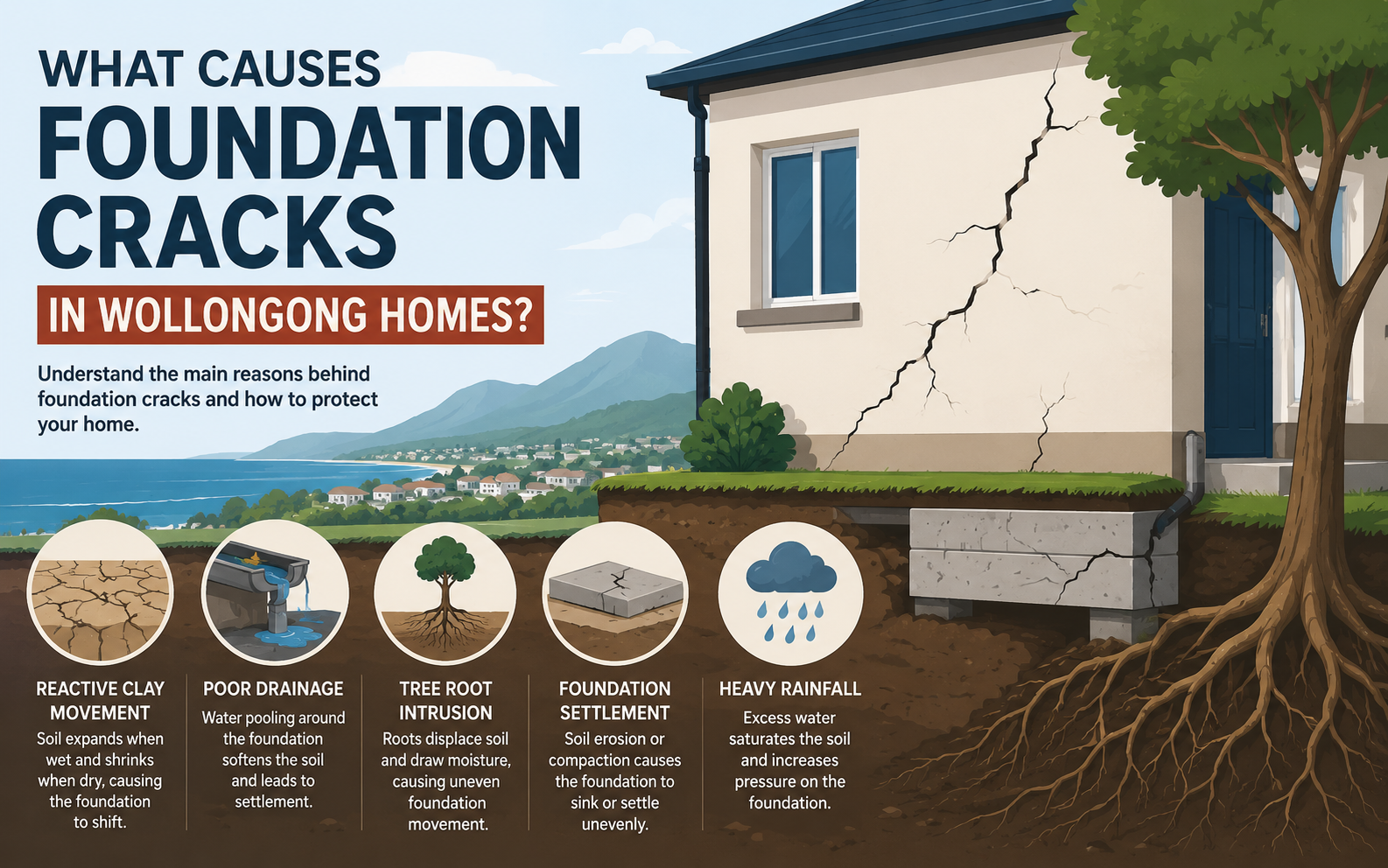
Foundation cracks in Wollongong homes are rarely random. Here's what's causing them, how to read the damage type, and when you need professional repair.
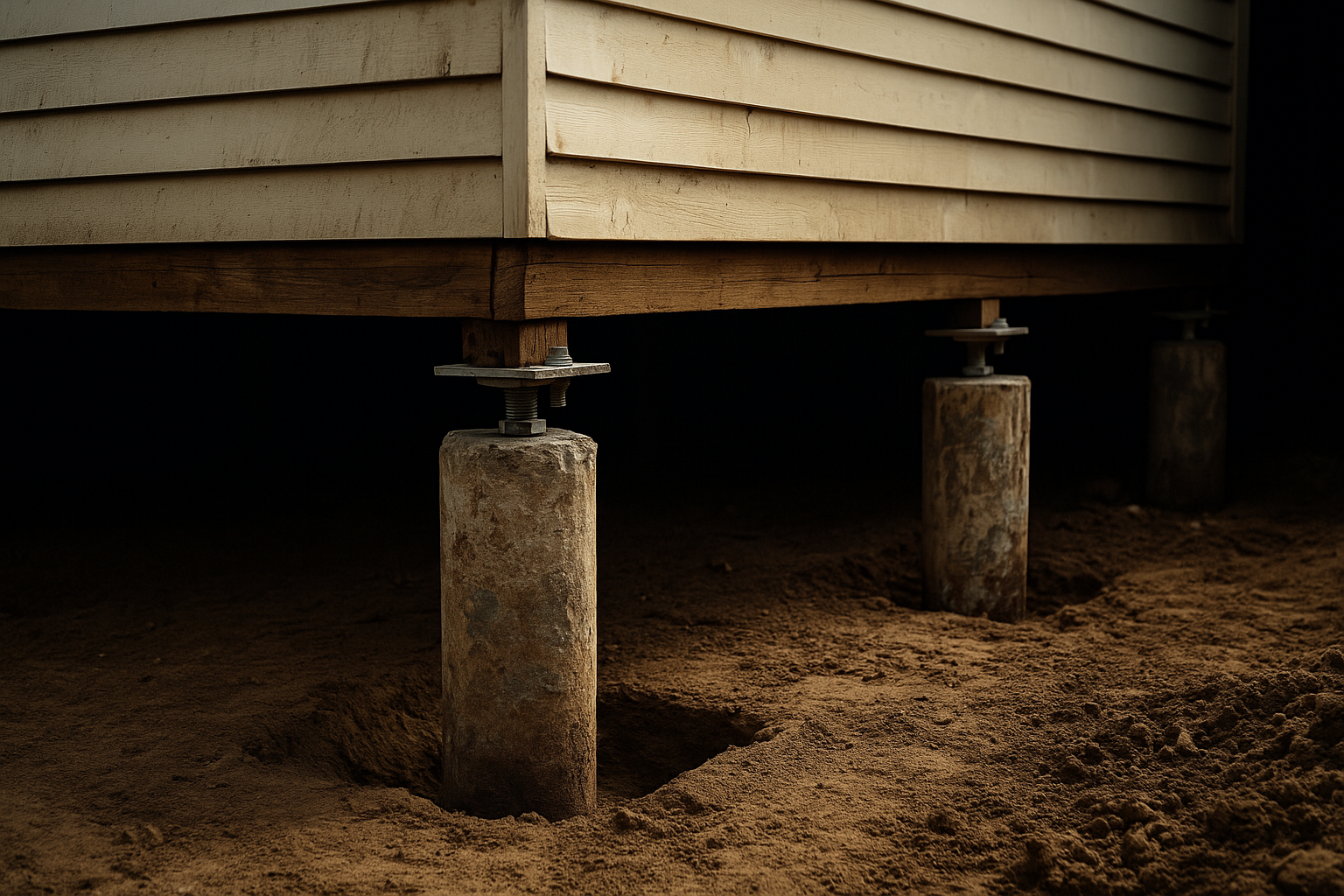
Early foundation repairs prevent structural damage, reduce costly future fixes, and help maintain property value by addressing issues before they worsen.
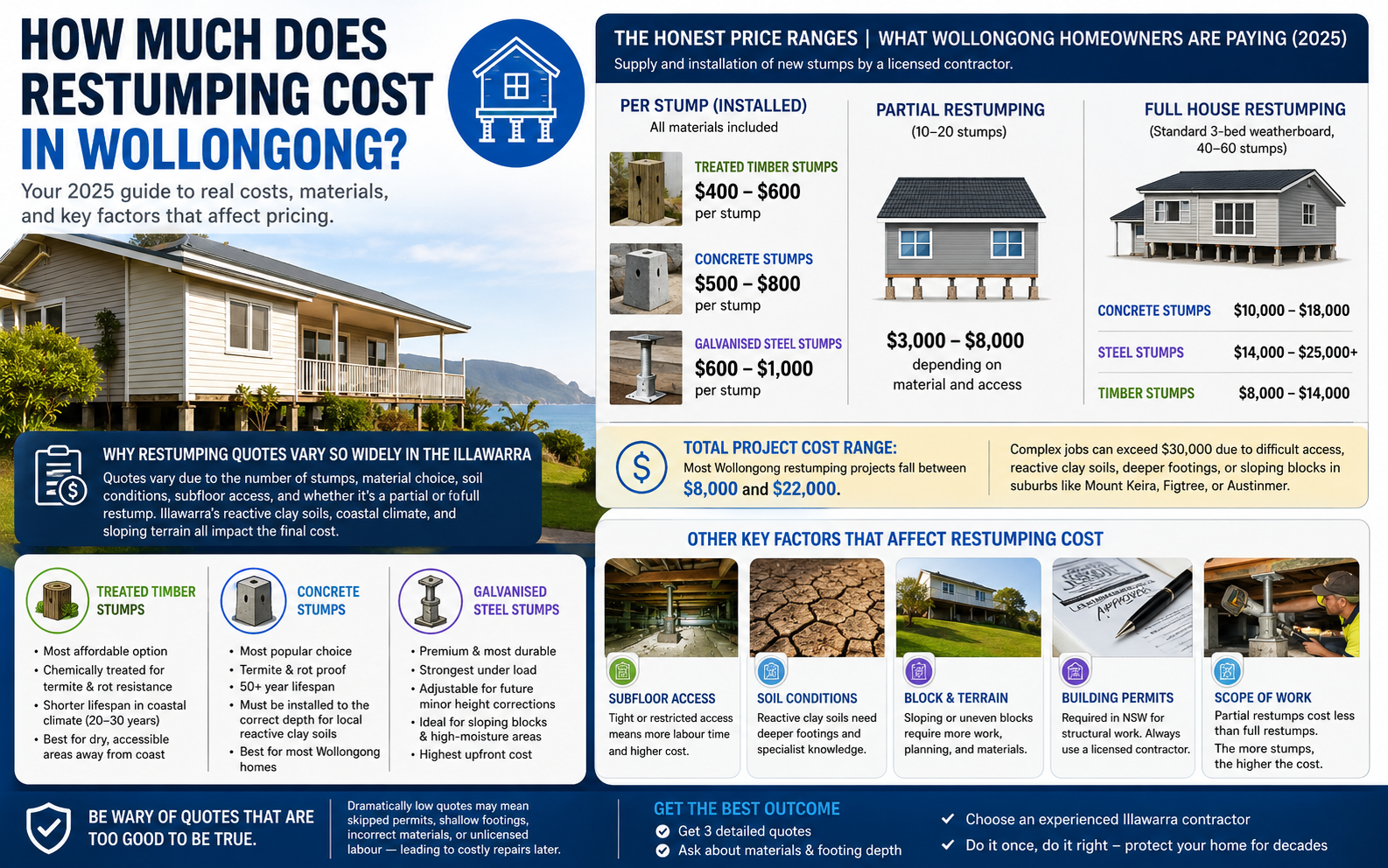
Get accurate restumping costs for Wollongong homes, including per stump pricing, material comparisons, permits, and Illawarra site factors.\
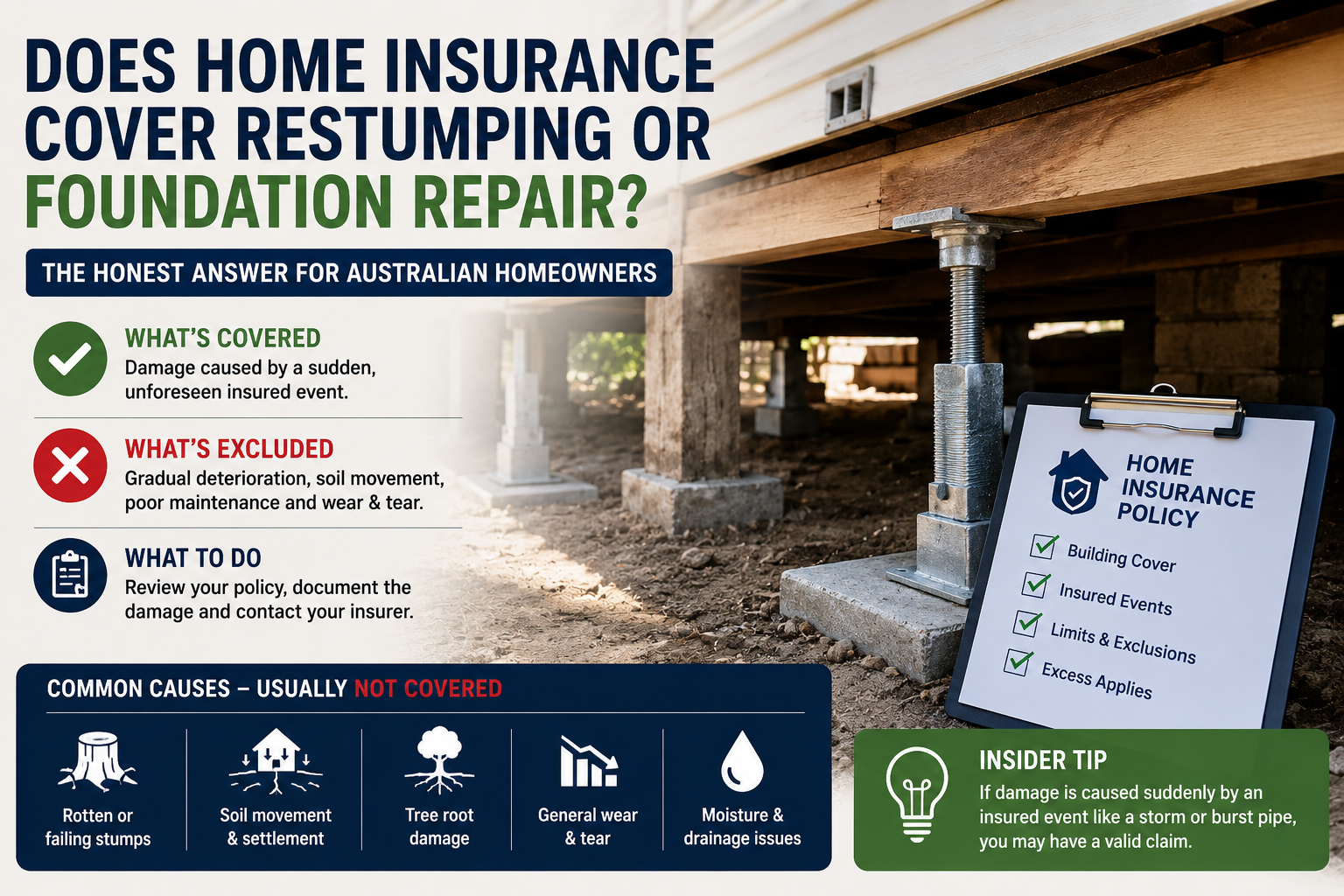
Learn when home insurance may cover restumping or foundation repairs, common exclusions, claim options, and what Wollongong homeowners need to know.
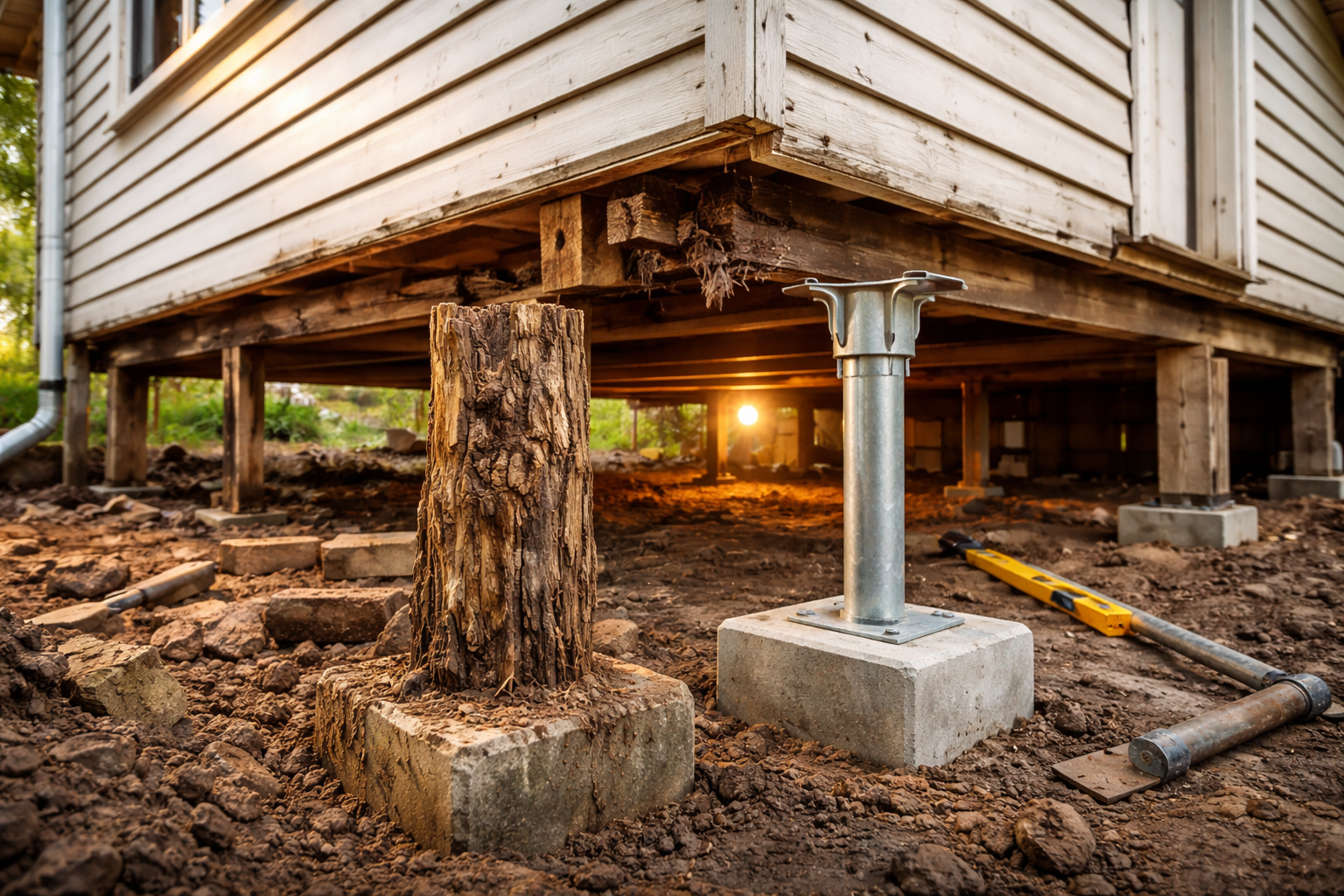
Learn the 7 warning signs your Wollongong home needs restumping. Discover how uneven floors, cracks, and sticking doors signal foundation issues.
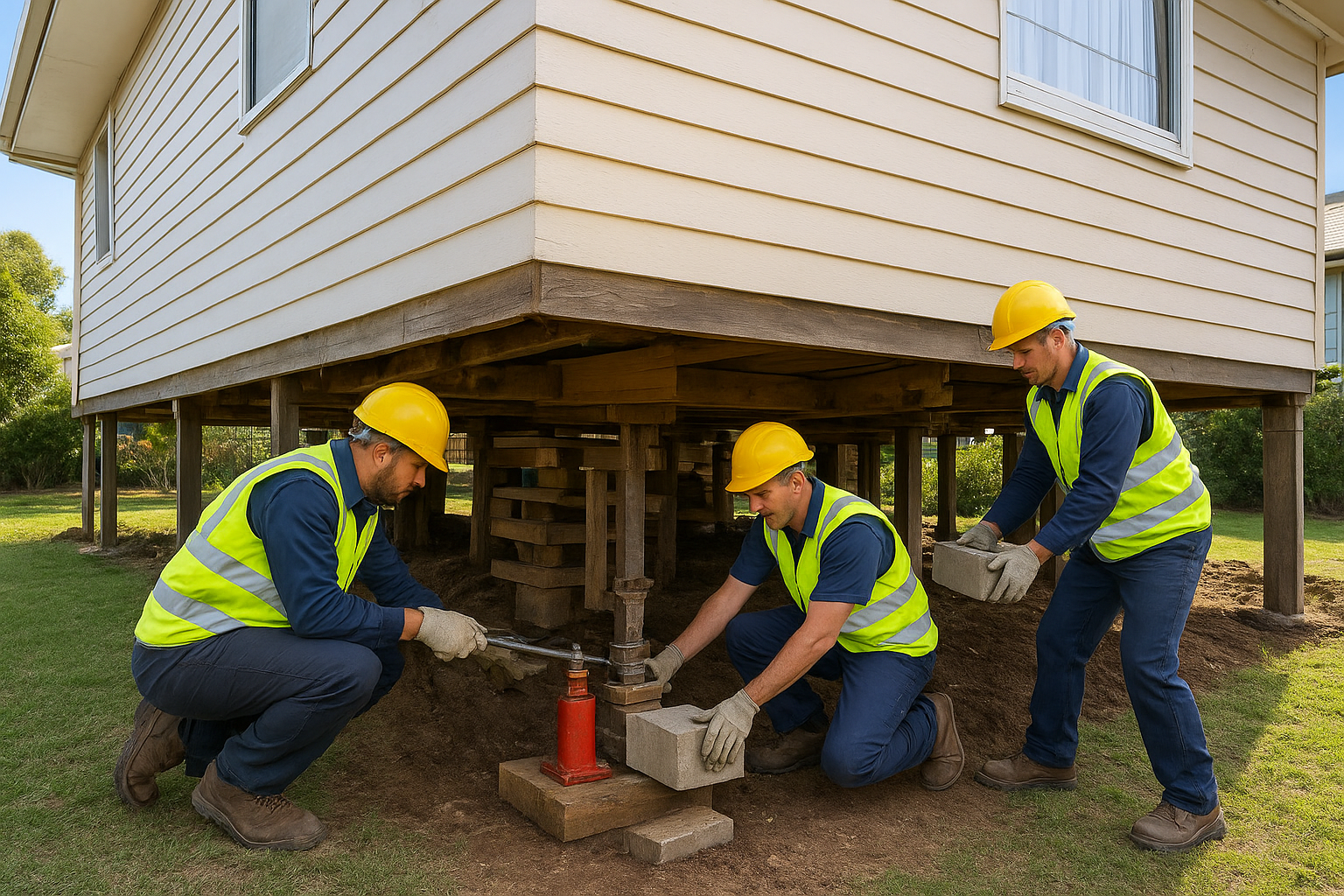
Discover the top 7 common misconceptions about restumping, from costs to structural risks, and learn what homeowners really need to know before starting the process.
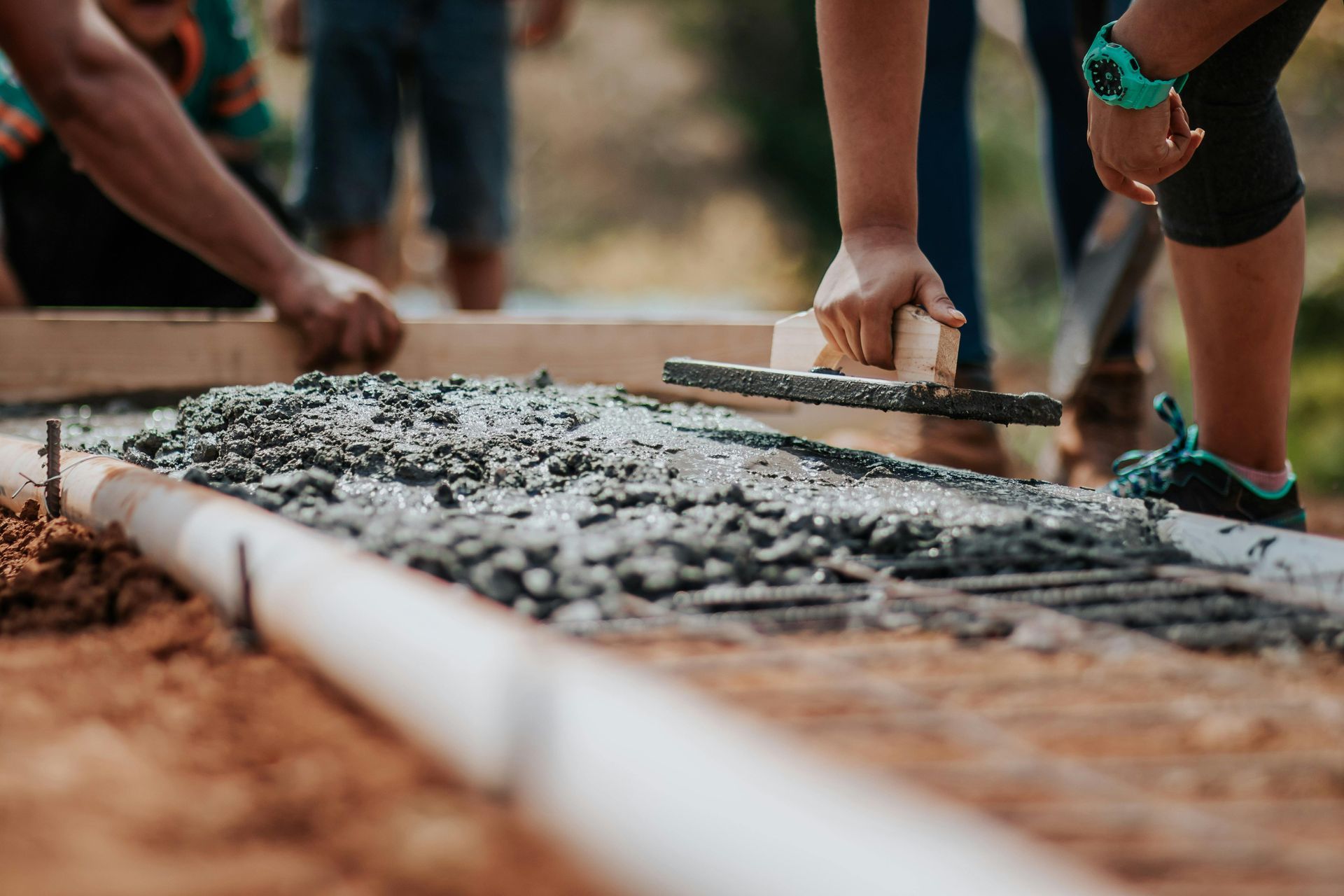
Compare steel and concrete stumps to determine the best option for coastal homes. Explore their durability, resistance to corrosion, and overall suitability.
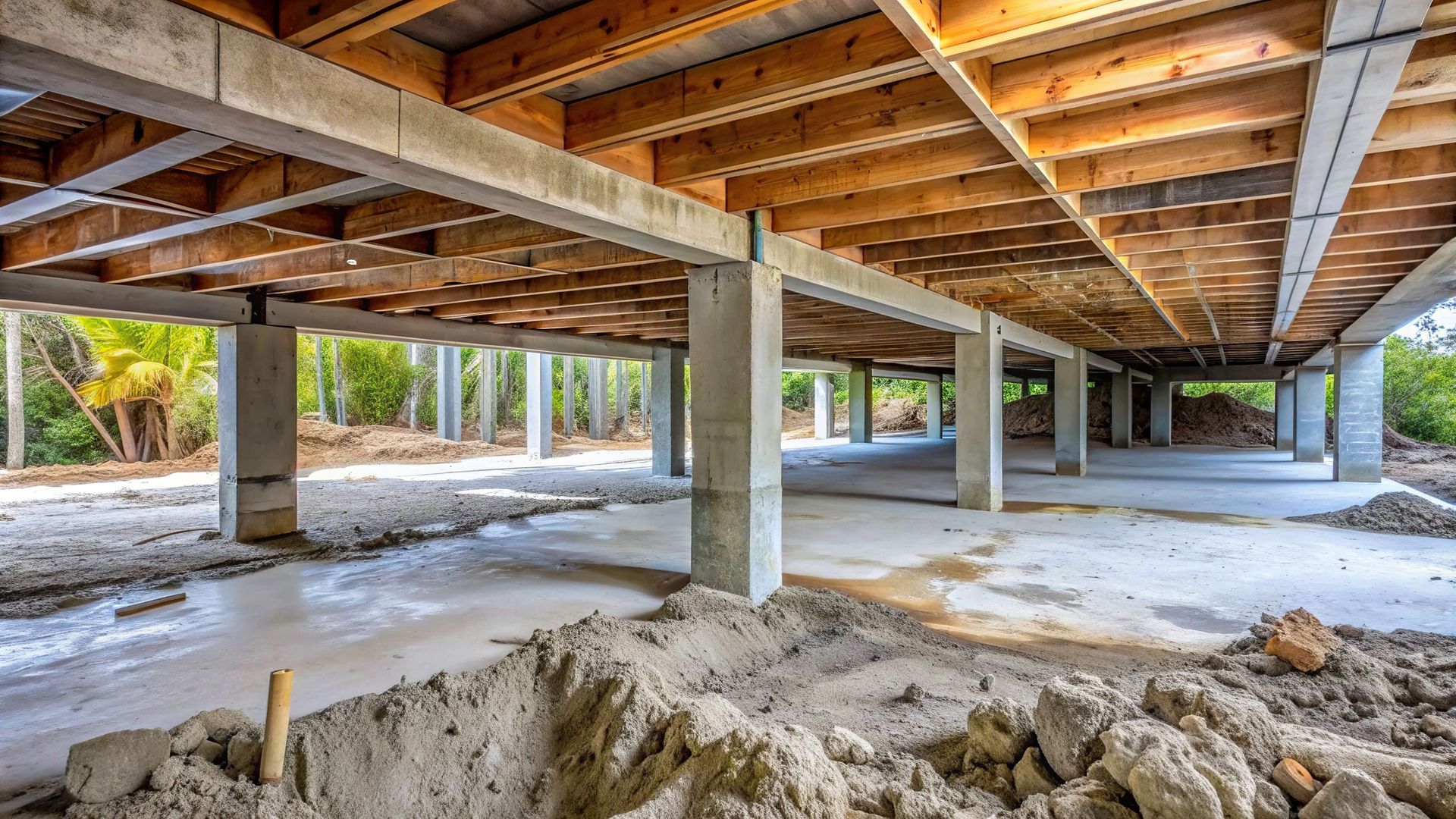
From road debris to sudden temperature changes, learn the 5 leading causes of rear window damage in Australia and how to avoid expensive repairs.