
wollongongrestumping@gmail.com


What Happens If You Delay House Restumping?
Rao Hasnain • November 17, 2026

Delaying house restumping lets failing stumps keep sinking, rotting or shifting, which pushes more load onto the remaining stumps and spreads damage to bearers, joists, floors and walls. What starts as a small, fixable problem can become a larger and more expensive repair. A free on-site inspection will show whether your home can wait or needs attention now.
Why Homeowners Put Restumping Off
Most people don’t ignore a failing subfloor on purpose. They delay because:
- The signs seem minor, like a sticking door or a small crack
- The job sounds disruptive or expensive
- The floors still feel mostly fine day to day
- The subfloor is out of sight, so the problem is out of mind
The trouble is that stump problems rarely stay still. Wollongong’s coastal humidity, heavy rainfall and damp soil keep working on the subfloor whether or not anyone is looking at it.
What Actually Happens as You Wait
Stump failure usually follows a pattern. The earlier you catch it, the less the house has moved.
| Stage | What’s Happening | What You May Notice |
|---|---|---|
| Early | A few stumps soften, settle or lean | Slight floor dips, doors starting to stick |
| Developing | Extra load shifts to neighbouring stumps | Gaps at skirting boards, cracks above doors and windows |
| Advanced | Multiple stumps fail and bearers sag | Visibly sloping or bouncy floors, wider wall cracks |
| Severe | Structure shifts out of position | Racked frames, damaged cladding, major repair needs |
The Risks of Delaying House Restumping
1. The damage spreads to the rest of the structure
Stumps carry the weight of the whole house. When one gives way, the load doesn’t disappear. It moves onto the stumps next to it, which then deteriorate faster. Over time, bearers and joists can bend, crack or rot, and walls and ceilings begin to move with them.
2. Floors and walls get worse
Sloping floors, sticking doors and cracked plaster are symptoms of the movement underneath. Left alone, the cracks widen, windows and doors can jam completely, and cladding or brickwork may start to separate.
3. Termites and rot get more time to work
Damp, ageing timber is easy for termites to attack, and a failing subfloor is often a damp one. The longer problem stumps stay in place, the more chance rot and termite damage have to reach bearers and joists, which are more costly to repair than stumps alone.
4. Costs usually climb
A partial restump of a few failed stumps is a smaller job than a full restump plus bearer, joist or flooring repairs. Waiting can turn the first into the second. Early action also tends to mean simpler access and less disruption inside the home.
5. It can affect selling, renting and insurance
Sloping floors and cracked walls are exactly what buyers and building inspectors look for. A house with known subfloor problems can be harder to sell, and unresolved structural issues can complicate negotiations or inspection reports.
6. Safety and comfort suffer
Bouncy or uneven floors are an everyday nuisance and, in severe cases, a safety concern, particularly for older residents or young children.
Is It Safe to Wait a Little Longer?
Sometimes, but only an inspection can tell you. A home with one or two minor settled stumps and a dry, well-ventilated subfloor is in a very different position from one with soft timber, termite activity or visible floor movement. Guessing from inside the house isn’t reliable, because much of the damage is hidden under the floor.
As a general rule, don’t wait if you notice:
- Floors that slope, dip or feel bouncy
- Doors and windows that stick or won’t close properly
- New or widening cracks in walls or ceilings
- Gaps between skirting boards and floors
- Rot, softness or crumbling at the base of stumps
- Mud tubes or hollow-sounding timber
- Stumps that lean, have sunk or have shifted
For more on how the work is staged, see our guide on how long house restumping takes in Wollongong.
What Does It Cost to Wait?
There’s no single figure, because every house is different. But the main factors that grow with delay are:
- The number of stumps that need replacing
- Whether bearers, joists or flooring now need repair
- Termite or rot damage found once the subfloor is opened up
- The amount of re-levelling needed after more movement
- Cosmetic repairs to cracked walls, ceilings and finishes
Restumping fixes the cause of the movement, but existing cracks and finishes may still need patching afterwards. The less the house has moved, the less of that there is to do.
What Restumping Involves When You Act Early
- Inspection and assessment. The subfloor is checked for the condition and position of every stump, plus soil, drainage and access.
- Supporting the house. The affected section is carefully jacked and supported to lift the load off failing stumps.
- Removing failed stumps. Rotted or damaged stumps are taken out and footing issues are dealt with.
- Installing new stumps. New stumps go in on properly prepared footings at the correct height and position.
- Re-levelling. Floors are brought back to level and checked throughout the house before sign-off.
Work is generally done section by section, so most households can stay at home while it happens.
Frequently Askes Questions
How long can I safely delay house restumping?
There’s no fixed timeframe. It depends on the condition of the stumps, the soil and drainage, and whether termites are present. An inspection is the only reliable way to know.
Will sloping floors get worse if I wait?
Usually, yes. Once stumps start to sink or fail, more load shifts onto the remaining ones, so movement tends to increase rather than stop.
Can delaying restumping cause termite problems?
It can raise the risk. Damp, ageing timber is attractive to termites, and the longer failing stumps stay in place, the more opportunity there is for damage to spread to bearers and joists.
Is it cheaper to restump early?
Often, yes. Early work may be limited to a few stumps, while waiting can lead to extra repairs to bearers, joists, floors and walls.
Can I replace just a few stumps instead of the whole house?
Sometimes. If the problem is isolated, a partial restump may be enough. An inspection will show whether the rest of the stumps are likely to follow.
Ready to work with Wollongong Restumping?
Let's connect! We’re here to help.
Send us a message and we’ll be in touch.
Or give us a call today at 0242026325
Agency Contact Form
More Marketing Tips, Tricks & Tools
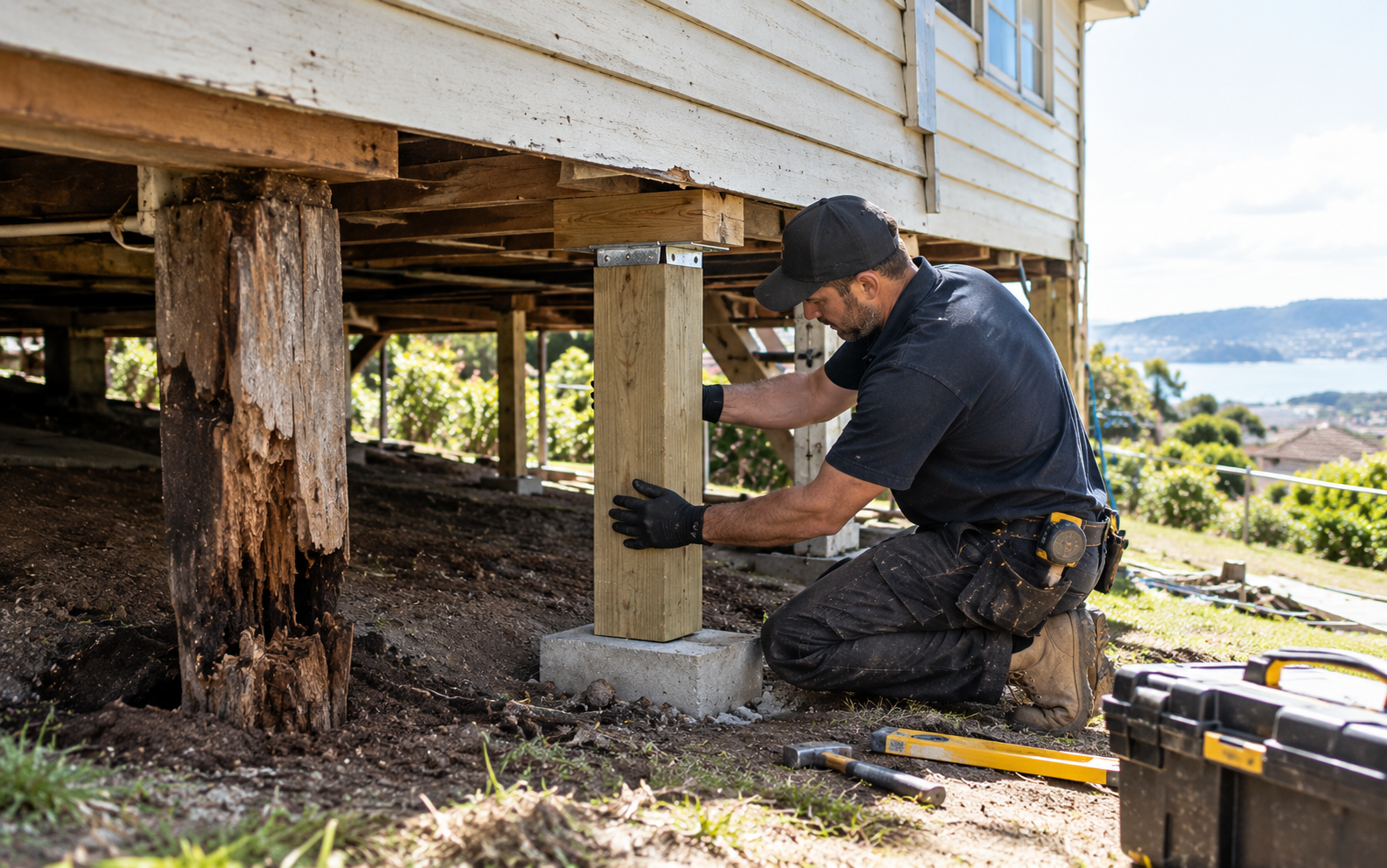
Timber stumps in older Wollongong homes typically need replacing when they show rot at the ground line, termite damage, cracking, leaning or sinking. Replacement involves temporarily supporting the house, removing the failed stumps, setting new footings and fitting new stumps at the correct height, then re-levelling the floors. Many old homes can have only the failed stumps replaced, while others need a full restump, and a free on-site inspection is the only reliable way to tell which applies.
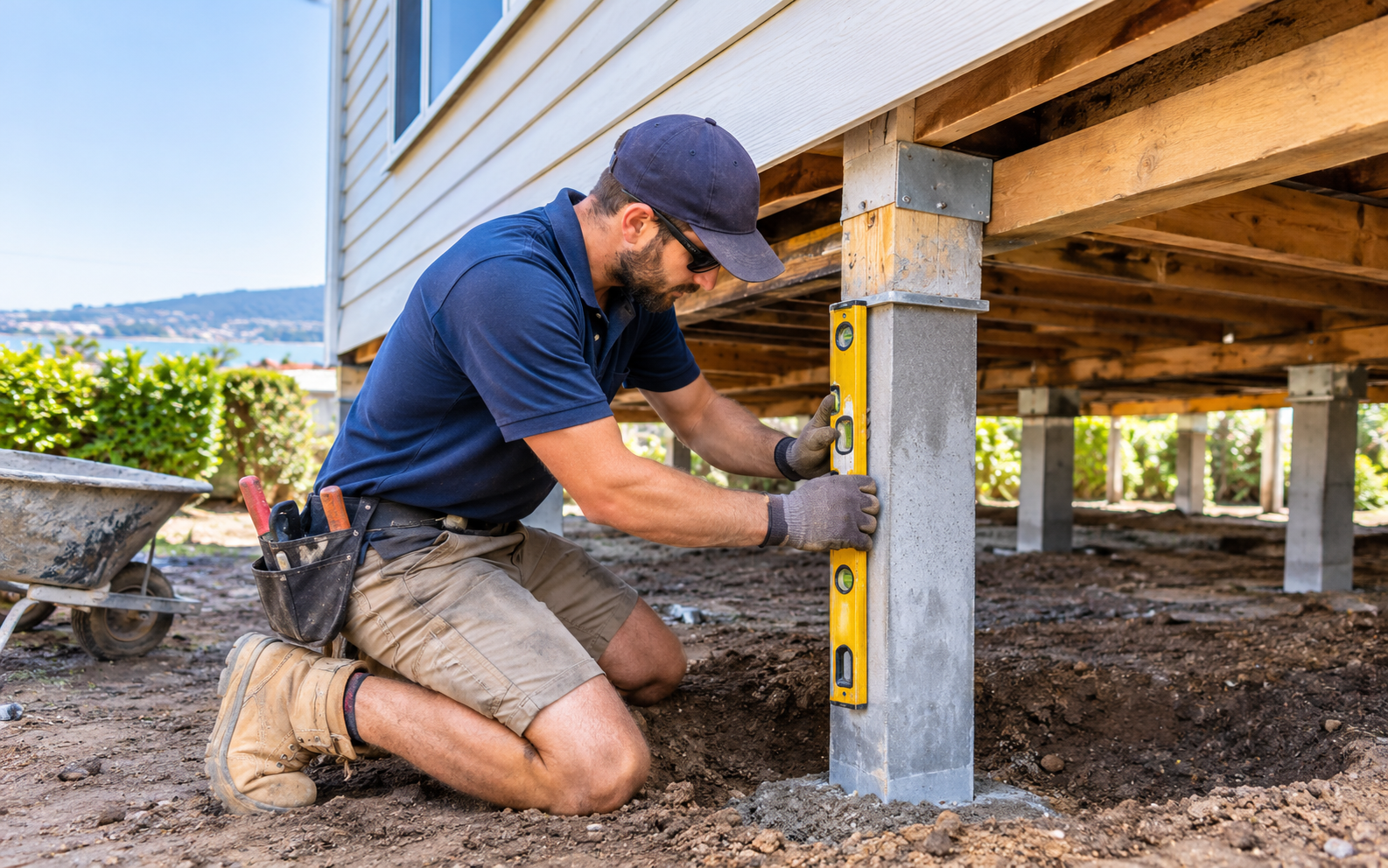
From free inspection to final level check, here's a realistic restumping timeline for Wollongong homes, and what actually affects how long it takes.
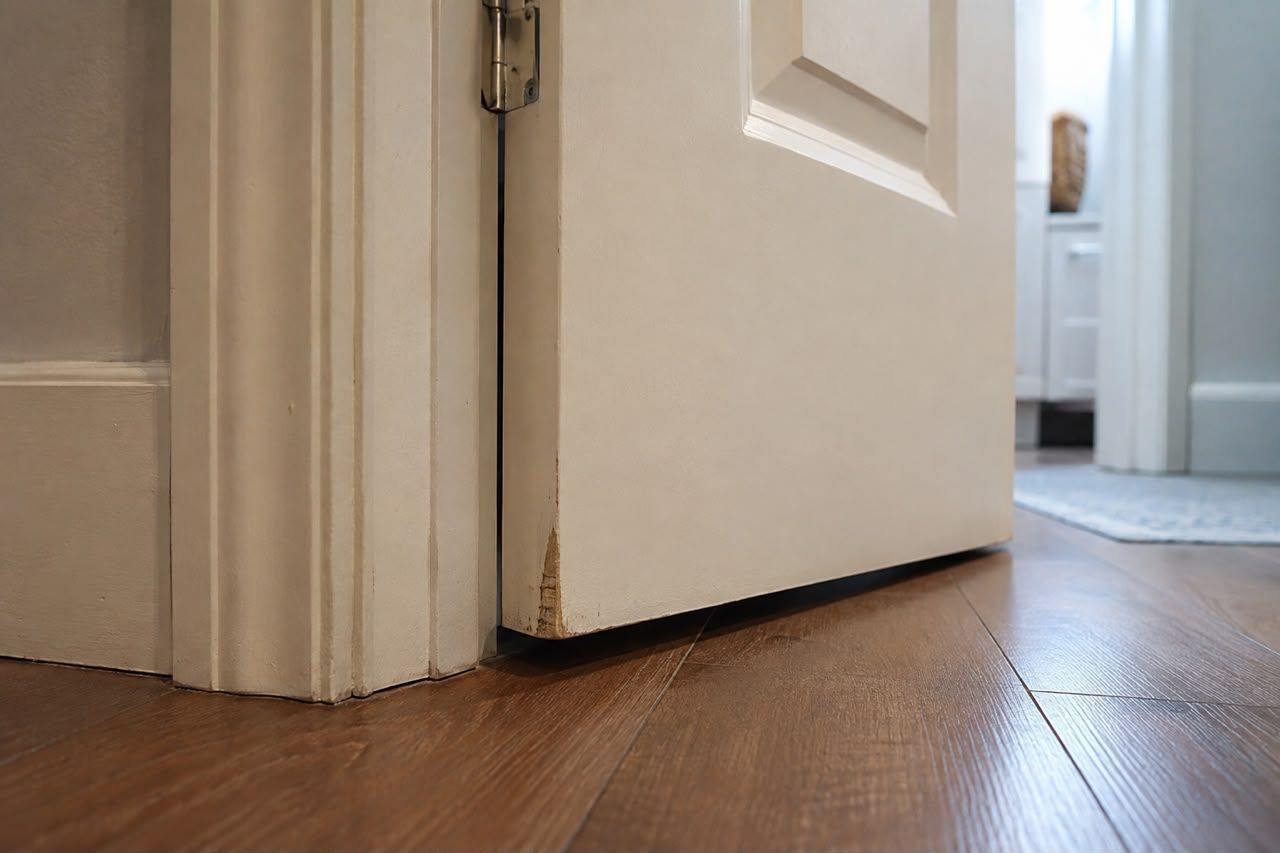
Learn why doors suddenly stop closing after foundation movement, from shifting floors to damaged stumps, and when your Wollongong home may need an assessment.
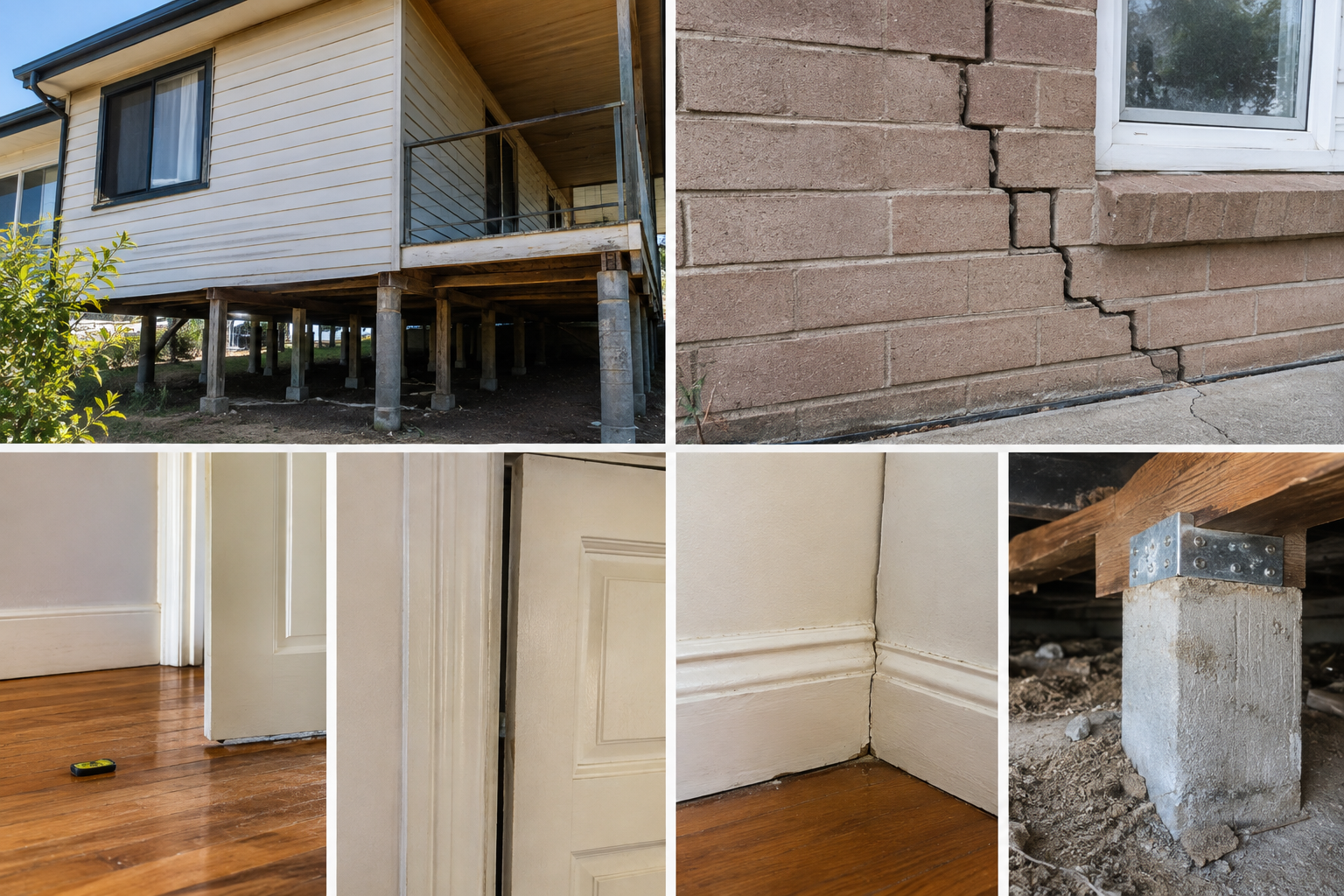
Sagging floors, sticking doors, cracked walls? Here's how to tell if your Wollongong home needs restumping, underpinning, or both.
Compare concrete vs steel stumps for Wollongong homes. Learn which option better suits coastal salt air, reactive clay soil, rainfall and your budget.
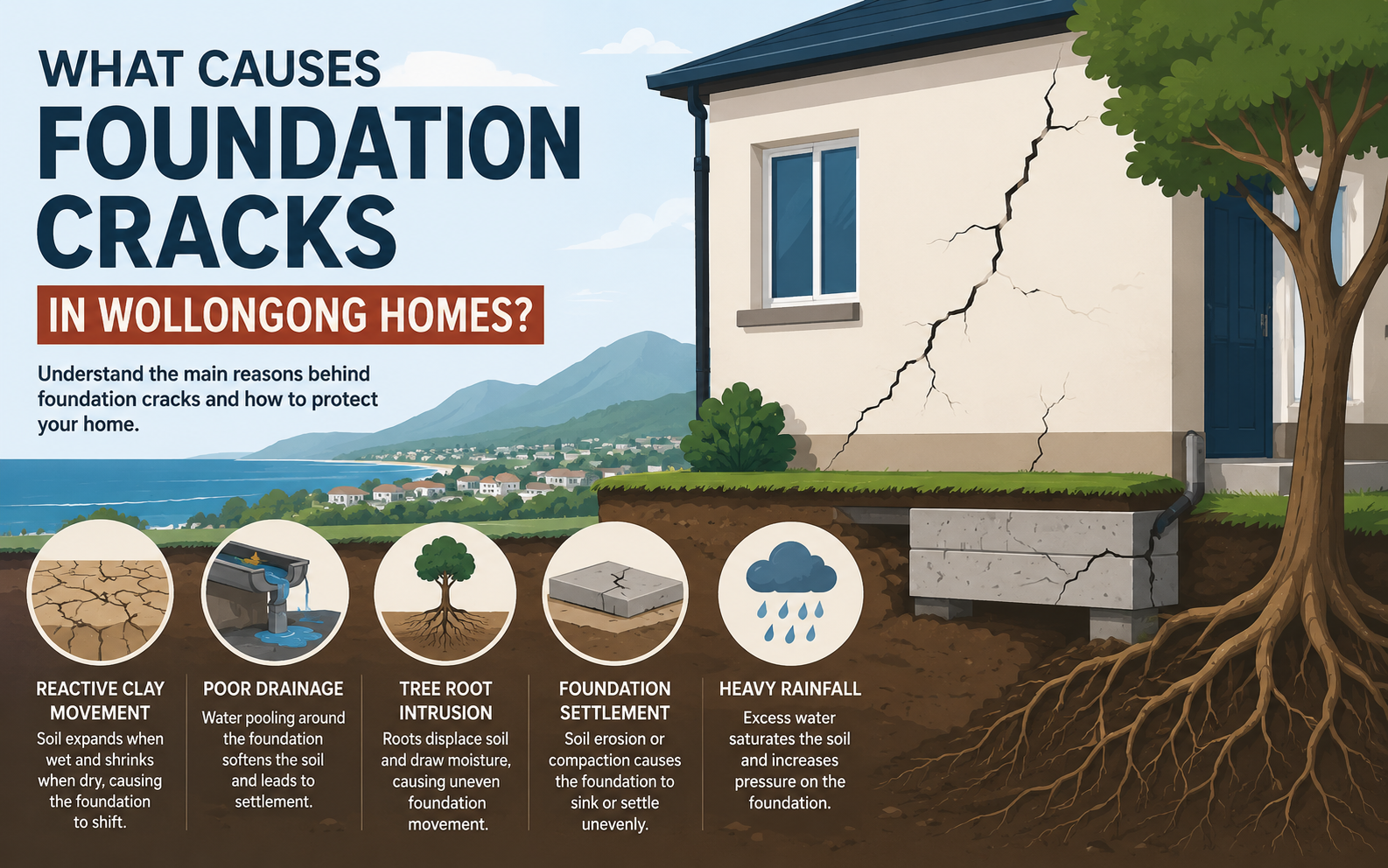
Foundation cracks in Wollongong homes are rarely random. Here's what's causing them, how to read the damage type, and when you need professional repair.
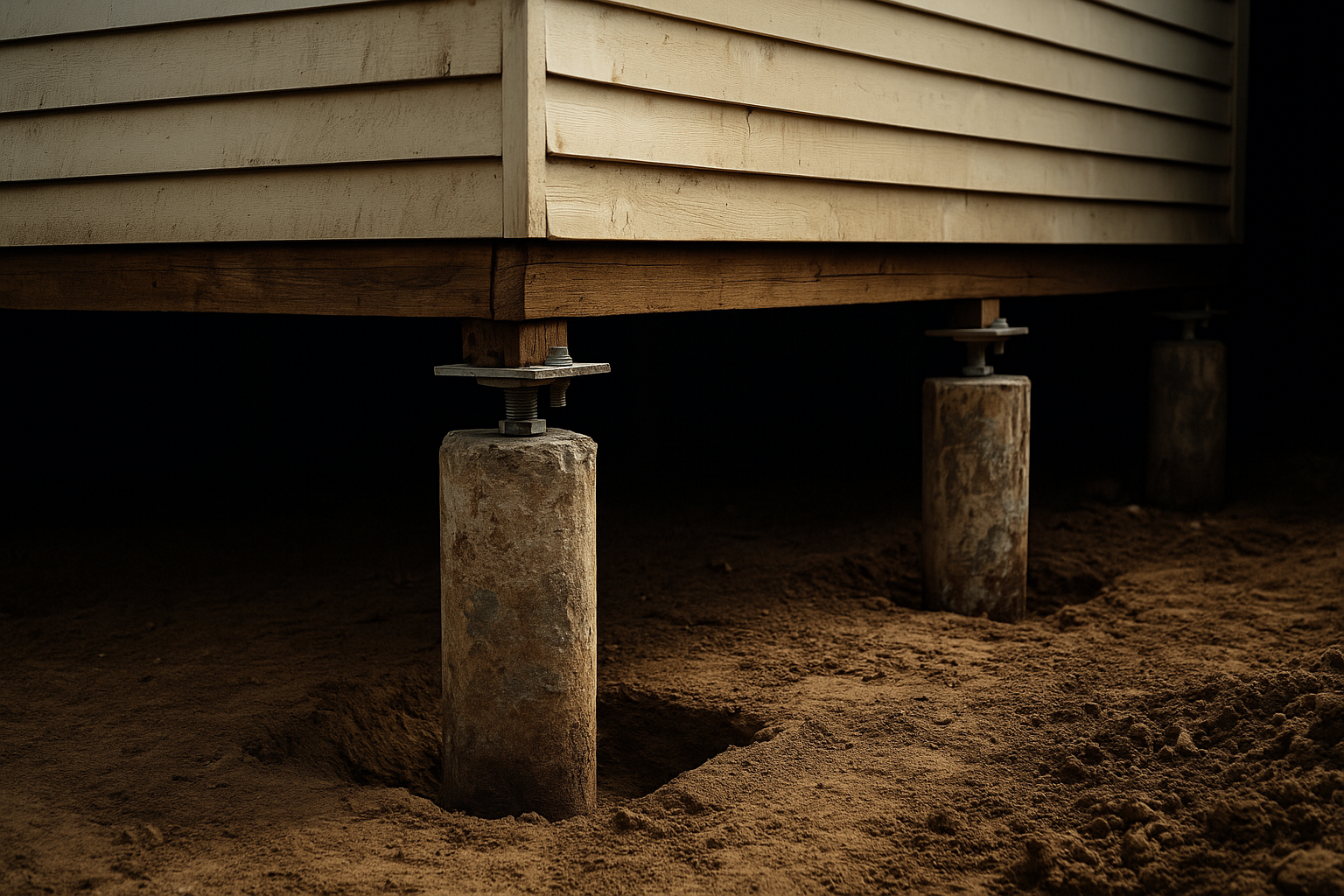
Early foundation repairs prevent structural damage, reduce costly future fixes, and help maintain property value by addressing issues before they worsen.

Get accurate restumping costs for Wollongong homes, including per stump pricing, material comparisons, permits, and Illawarra site factors.\

Learn when home insurance may cover restumping or foundation repairs, common exclusions, claim options, and what Wollongong homeowners need to know.
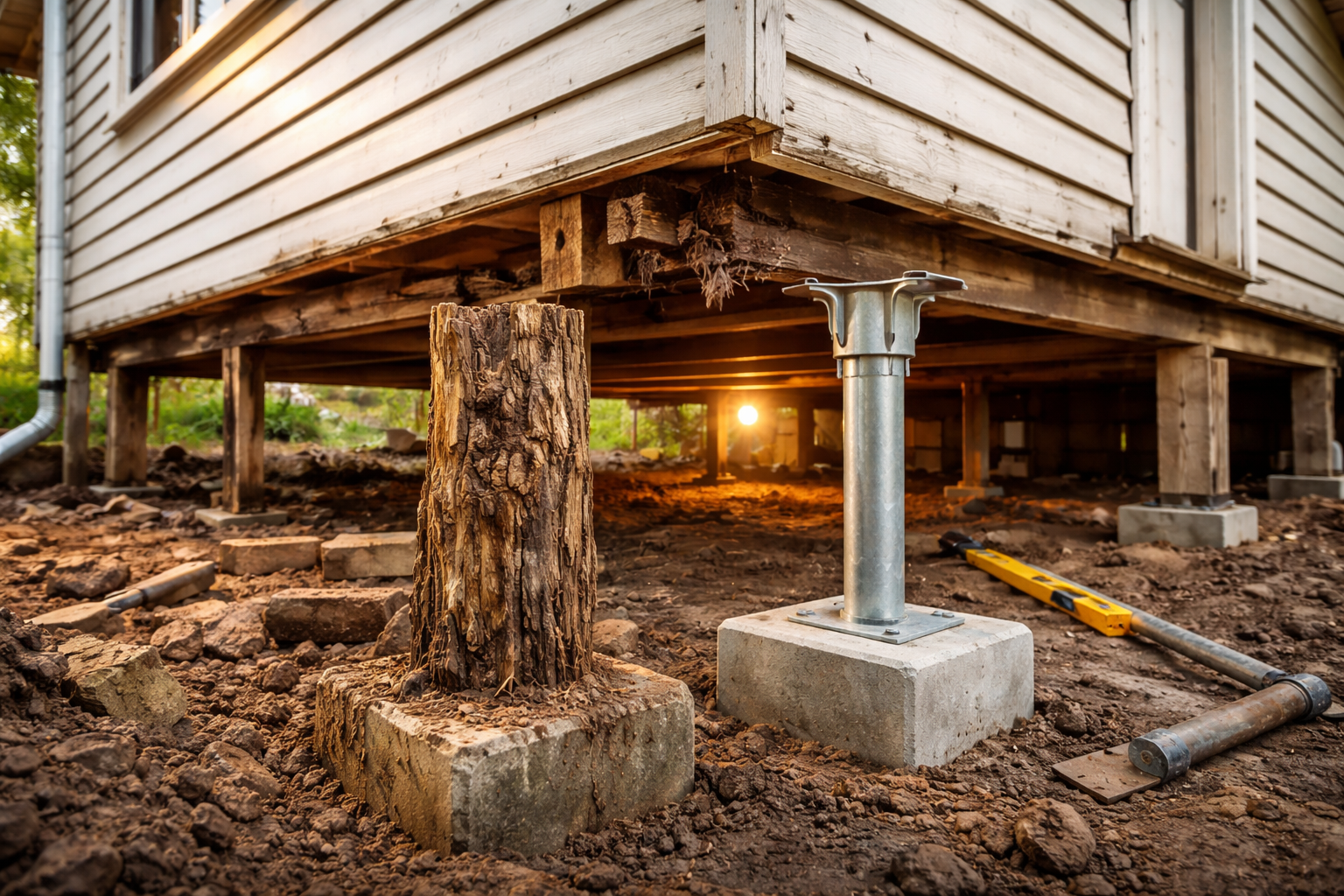
Learn the 7 warning signs your Wollongong home needs restumping. Discover how uneven floors, cracks, and sticking doors signal foundation issues.